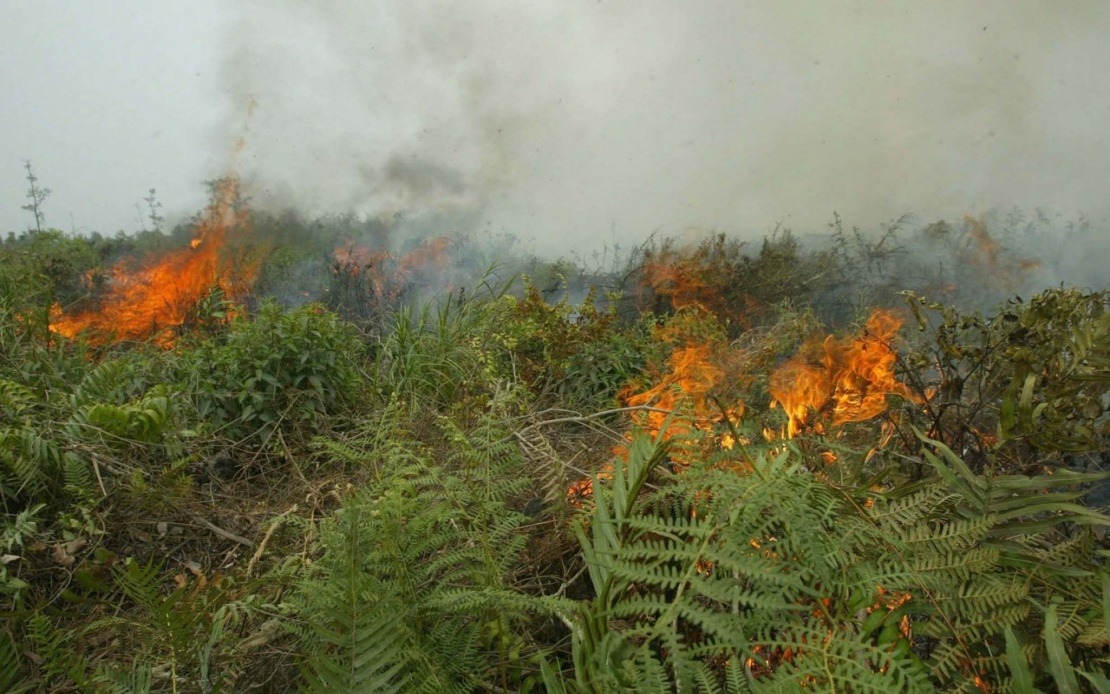
Indonesia is grappling with an intensifying forest fire crisis across its major islands, with the situation deteriorating most sharply in West Kalimantan, where hotspot detection has nearly doubled in recent days. The National Disaster Mitigation Agency reported that hotspots in the province surged dramatically by 3,553 to reach 7,377 by Monday, August 31, representing one of the steepest single-day increases in the region. Simultaneously, the number of active fire spots in West Kalimantan climbed to 104, forcing visibility to plummet below one kilometre in affected areas, creating hazardous conditions for residents and emergency responders alike.
The geographical scope of the emergency underscores the scale of Indonesia's fire management challenge. Although Central Kalimantan saw hotspots decline marginally by 147 cases to 5,244, fire spots paradoxically increased by 16 to reach 72, suggesting more concentrated burning activity. South Kalimantan presented a mixed picture, with hotspots falling by 405 to 504 but fire spots rising by 33 to 55. Meanwhile, Sumatra was not immune to the crisis. South Sumatra recorded a concerning surge of 209 additional hotspots to total 1,013, whilst Riau and Jambi experienced more favourable trends with declining hotspot counts and reduced fire activity. This patchwork distribution indicates that fire management authorities must adopt regionally tailored response strategies rather than adopting a one-size-fits-all approach across the archipelago.
The human toll from these fires has become increasingly evident, with public health emerging as a critical concern alongside environmental damage. Approximately 5.5 million people residing in fire-affected areas across Sumatra and Kalimantan face prolonged exposure to hazardous air quality and smoke inhalation. Health authorities documented a cumulative total of roughly 13,500 acute respiratory infection cases recorded throughout July and August, with 4,082 individuals still receiving treatment for respiratory complications as of the week ending August 31. Deputy Health Minister Prof Dante Saksono Harbuwono emphasised that the health impact from smoke pollution this year significantly exceeds the previous year's figures, reflecting either increased fire intensity, broader geographical spread, or both factors combined.
The respiratory disease burden demonstrates that Indonesian forest fires represent far more than an environmental or economic concern—they constitute a genuine public health emergency requiring sustained medical attention and resources. The concentration of cases in heavily populated areas near active fire zones suggests vulnerability amongst communities with limited access to advanced healthcare facilities. Health authorities have maintained active surveillance networks and coordinated closely with provincial and local health offices to track disease progression and allocate medical resources efficiently. This coordination becomes essential as smoke drift across provincial boundaries can rapidly overwhelm localised health infrastructure, necessitating inter-regional patient transfers and mutual aid arrangements.
Enforcement action has emerged as a centrepiece of Indonesia's response strategy, with environmental authorities taking aggressive steps to hold commercial operators accountable for fires detected within their concessions. The Environment Ministry has formally flagged 42 companies as potential violators, identified through sophisticated spatial analysis that overlaid satellite-derived hotspot data with official concession boundaries. Of these flagged enterprises, 19 are currently undergoing field verification to establish the precise circumstances surrounding detected fire activity, while the remainder await inspection in subsequent phases. This methodical approach aims to distinguish between accidental fire spread and deliberate burning, a critical distinction given the vastly different legal and operational implications.
The accountability framework reflects Indonesia's strengthened commitment to environmental protection, yet it also reveals the complexities of enforcement across vast territories with challenging terrain and limited on-ground resources. Environmental Law Enforcement Deputy Rizal Irawan clarified that regardless of whether fires were intentionally set or resulted from negligence or accident, operators holding land concessions face strict liability principles. Companies identified as responsible may face either administrative sanctions—such as fines or licence restrictions—or civil litigation requiring them to remediate environmental damage. This liability structure creates powerful financial incentives for concession holders to invest proactively in fire prevention rather than waiting to be held accountable after fires erupt.
Regional cooperation has assumed heightened importance as Indonesia recognises that transboundary haze respects no political boundaries and directly affects neighbouring nations. Following a ministerial-level meeting in Bali last month attended by representatives from Indonesia, Malaysia, and Singapore, environmental officials have intensified coordination through established ASEAN mechanisms designed specifically to address transboundary air pollution and haze crises. This diplomatic engagement reflects growing acknowledgement that forest fire management in Indonesia has direct consequences for the health, visibility, and economic activities of the broader Southeast Asian region. Past episodes of haze have previously disrupted air travel, closed schools, and imposed substantial costs on neighbouring economies, making regional cooperation not merely desirable but economically essential.
Prevention initiatives represent the proactive counterpoint to reactive enforcement and emergency response. Indonesia has established 95 Fire Care Community groups, collectively comprising 1,425 trained personnel distributed across six historically fire-prone provinces in Sumatra and Kalimantan. These community-based organisations function as early warning systems and first responders, leveraging local knowledge and rapid mobilisation capabilities to detect and suppress fires before they achieve large scale. The government plans to establish an additional 35 such groups during the current year, gradually expanding the preventive network's reach and responsiveness. These grassroots initiatives have proven more cost-effective and contextually appropriate than relying exclusively on centralised government firefighting capacity.
Corporate compliance with fire prevention standards has shown mixed but encouraging results. Authorities notified 2,226 companies last year that they must maintain readiness to prevent and respond to forest and land fires, requiring them to stockpile equipment, train personnel, and establish operational protocols before emergencies arise. Approximately 80 per cent of these firms have subsequently reported achieving adequate operational readiness, indicating substantial progress in building institutional capacity throughout the private sector. However, the remaining 20 per cent of non-responding companies represent a persistent vulnerability and enforcement challenge, potentially including operators with limited financial capacity or inadequate regulatory sophistication. Authorities face the difficult choice between intensifying pressure on laggard firms and providing technical or financial assistance to enable compliance amongst smaller or less-developed operators.
The current fire crisis illustrates the broader tension between economic development pressures and environmental sustainability that characterises Indonesia's trajectory. Large-scale land conversion for agriculture, mining, and plantation development creates fragmented landscapes vulnerable to rapid fire spread, whilst seasonal drought and climatic variability amplify fire frequency and intensity. For Malaysia and other neighbouring nations, Indonesia's fire management capacity directly influences air quality, public health, and economic productivity across Southeast Asia. The scale of investment required for comprehensive fire prevention, enforcement infrastructure, and community-based response systems reflects the magnitude of the challenge confronting Indonesian policymakers and the international community's interest in supporting these efforts through technical cooperation and capacity building initiatives.

