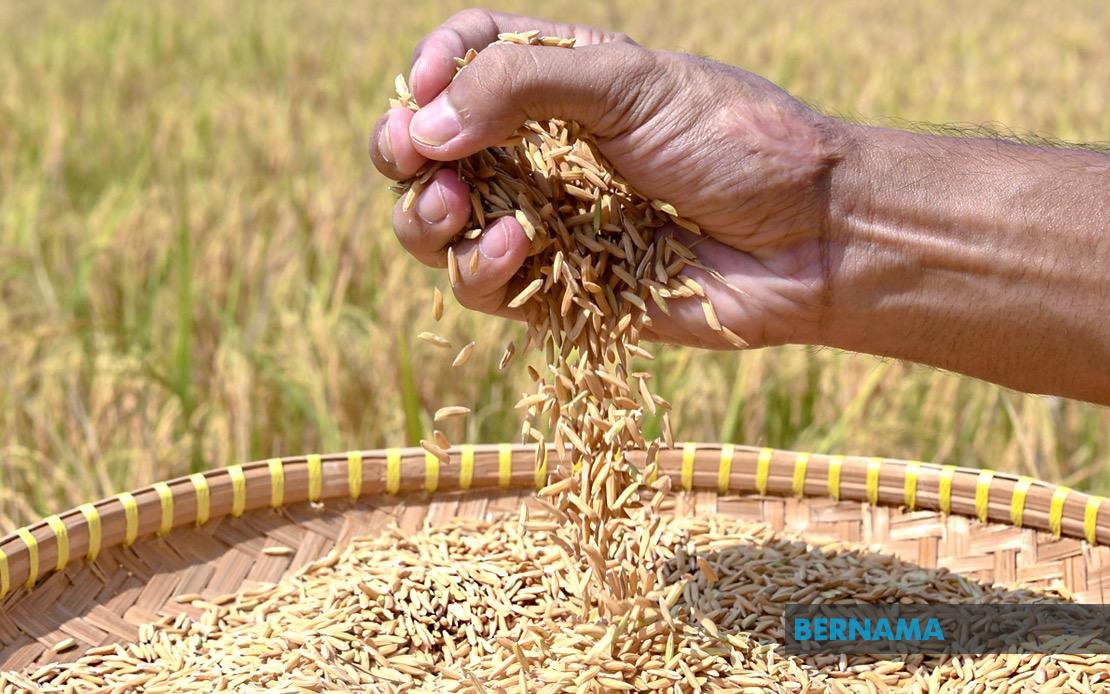
Indonesia's state logistics agency, Bulog, is actively engaged in negotiations with both Malaysia and Singapore to finalize rice export agreements, with discussions centered on pricing structures and broader commercial arrangements. The initiative represents an important dimension of Jakarta's regional trade strategy, targeting significant supply commitments to neighbouring markets while simultaneously strengthening bilateral economic ties across Southeast Asia.
Bulog president director Ahmad Rizal Ramdhani indicated that the agency remains committed to advancing these negotiations, though logistical readiness on the Malaysian side has created temporary delays in formal talks. The Malaysian government is currently preparing to receive an Indonesian delegation, with Bulog maintaining consistent communication channels to ensure discussions can commence once both parties confirm their availability. Ramdhani's remarks underscore the importance of coordinated preparation, noting that establishing certainty on pricing represents a critical prerequisite before substantive negotiations can progress.
The proposed arrangement with Malaysia involves a substantial commitment of 200,000 tonnes of rice, making it the larger of the two export initiatives under discussion. However, this tonnage remains contingent upon successful price negotiations between the two countries' officials. The scale of this proposed export reflects Indonesia's confidence in its rice production capacity, though pricing mechanisms will ultimately determine whether the deal proceeds as envisioned. For Malaysian readers, this development carries significance for regional food security, particularly given Malaysia's reliance on imported rice to supplement domestic production.
Separately, Indonesia is advancing parallel discussions with Singapore regarding a more modest export volume of 10,000 tonnes. These Singapore negotiations gained momentum following a bilateral meeting on June 29 in Jakarta between Indonesia's Agriculture Minister Andi Amran Sulaiman and Singapore's Minister for Sustainability and the Environment Grace Fu. The diplomatic engagement between these two ministers demonstrates how rice trade has become integrated into broader environmental and sustainability discussions at the ministerial level, reflecting evolving regional priorities around food systems and agricultural resilience.
President Prabowo Subianto has established clear parameters for any rice export agreement, emphasizing that deals must incorporate safeguards protecting Indonesian farming communities while simultaneously advancing the nation's economic objectives. This presidential directive reveals the delicate balancing act facing Indonesian policymakers, who must pursue export revenue opportunities whilst ensuring that farmers—a politically significant constituency—do not experience unintended adverse consequences from international trade commitments. The instruction reflects broader concerns about agricultural sustainability and rural livelihood protection across the region.
For Malaysia and Singapore, these negotiations carry implications beyond simple commodity procurement. Both countries have maintained strategic rice reserves and sourcing agreements to cushion against global price volatility and supply disruptions. Indonesia, as a major regional producer with substantial rice output, represents a logical and geographically convenient supplier. Establishing formal export arrangements with Jakarta could reduce these nations' exposure to price fluctuations in global markets while strengthening supply chain predictability, a consideration of particular weight given periodic disruptions to agricultural trade flows in recent years.
The ongoing nature of these discussions suggests that neither pricing nor logistical arrangements have been fully resolved. Bulog's patient approach, continuing dialogue despite Malaysia's delayed readiness to host negotiations, indicates confidence that mutually acceptable terms can ultimately be reached. The extended timeline also provides space for Indonesian agricultural officials to assess domestic rice availability more thoroughly, ensuring that export commitments do not compromise domestic food security objectives—an essential consideration for a rice-producing nation.
Regional analysts have noted that rice trade negotiations among Southeast Asian countries frequently involve complexities beyond simple price-setting. Quality standards, delivery schedules, payment mechanisms, and long-term commitment structures all require careful negotiation. The involvement of multiple ministerial portfolios—agriculture, sustainability, and logistics—underscores the multifaceted nature of these discussions, touching upon trade, environmental stewardship, and food policy simultaneously.
For Malaysian and regional businesses, successful conclusion of these export agreements could have cascading effects. Reliable Indonesian rice supplies at negotiated prices might influence domestic pricing pressures, affect agricultural policy decisions, and shape competitive dynamics within the regional food processing sector. Rice millers, traders, and food manufacturers across Southeast Asia closely monitor such bilateral arrangements, recognizing that shifts in supply relationships reshape market conditions and operational strategies.
The timing of these negotiations deserves attention within the context of Indonesia's broader foreign policy orientation under President Prabowo. The emphasis on protecting farmer interests while simultaneously pursuing export-oriented development reflects a nationalist economic approach, balancing integration with global markets against domestic constituency demands. These rice negotiations exemplify how Indonesia is calibrating its regional economic engagement—seeking market opportunities without sacrificing protections for domestic producers.
Moving forward, successful conclusion of these agreements would signal strengthened economic cooperation across the Strait of Malacca and the broader region. Such arrangements typically extend beyond single transactions, often establishing frameworks for sustained commercial relationships. For Malaysia and Singapore, securing reliable rice suppliers enhances food security architecture; for Indonesia, consistent export markets provide revenue streams supporting agricultural development and farmer prosperity. The eventual outcomes of these ongoing negotiations will likely shape regional food trade patterns for years to come.

