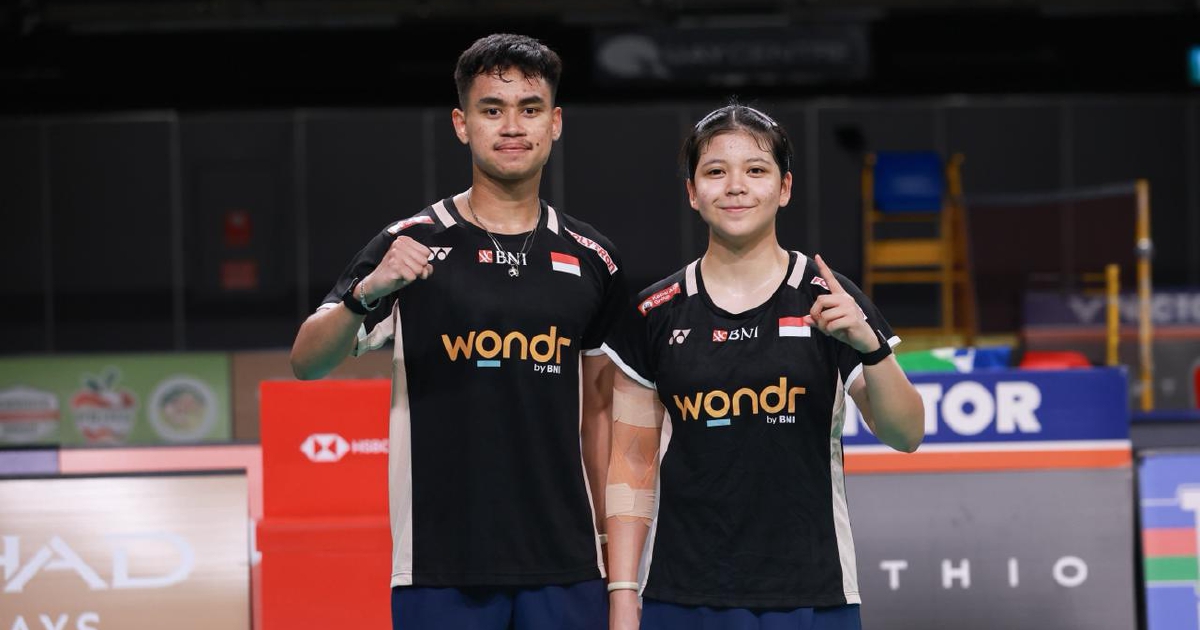
Indonesia has taken decisive action to address integrity concerns in its badminton programme by withdrawing two mixed doubles pairs from the World Championships scheduled for August 17-23 in New Delhi. The Indonesia Badminton Association (PBSI) made the decision in response to active match-fixing investigations being conducted by the Badminton World Federation (BWF), signalling a commitment to upholding the sport's ethical standards at the international level.
The move represents a significant moment in badminton's ongoing fight against corruption. Match-fixing allegations have periodically emerged in the sport, particularly affecting doubles partnerships where outcomes can be more susceptible to manipulation. By proactively removing the implicated pairs before the world's premier annual badminton event, PBSI has opted for transparency over the potential short-term competitive advantage of retaining ranked players.
For Malaysian badminton followers, the development carries particular relevance given the region's competitive badminton culture and the frequency with which Southeast Asian players contest major championships. The Badminton World Federation's willingness to investigate and the PBSI's compliance demonstrates that governing bodies are taking match-fixing seriously, regardless of a nation's badminton standing or the prestige of withdrawing athletes.
The World Championships in New Delhi represent one of the most prestigious tournaments on the badminton calendar, attracting elite players from across the globe. Losing two pairs at this stage means Indonesia will field a smaller contingent in the mixed doubles category, potentially affecting their medal prospects in a discipline where they have historically been competitive. The timing of the withdrawal, coming just ahead of the championships, underscores the urgency with which the BWF has pursued these investigations.
Match-fixing in badminton has historically involved allegations of players deliberately losing matches or specific shuttlecocks to manipulate betting outcomes. The mixed doubles format, with its partnership dynamics and lower match volumes compared to singles, has occasionally attracted scrutiny. The BWF has invested considerable resources in integrity monitoring systems to detect suspicious patterns, including unusual betting activities and statistically improbable match results.
Indonesia's badminton federation has not publicly detailed the specific allegations against the withdrawn pairs, maintaining the confidentiality typical of ongoing investigations. However, the association's swift action suggests either substantial evidence of impropriety or a commitment to cooperating fully with BWF inquiries without contesting preliminary findings. This approach contrasts with instances in other sports where federations have resisted sanctions or demanded exhaustive due process.
The withdrawal may also reflect broader governance improvements within PBSI. Indonesian badminton has undergone organizational restructuring in recent years, with renewed emphasis on player conduct and ethical standards. By demonstrating that no player is insulated from accountability—regardless of ranking or recent success—the federation sends a message that integrity matters more than short-term competitive results.
For participating nations, the incident serves as a reminder that all athletes involved in international competition face heightened scrutiny. The BWF's investigative capacity has grown alongside increased public awareness of match-fixing risks in racquet sports. Players who may have engaged in suspicious activities decades ago now face potential exposure as investigative techniques improve and witness cooperation increases.
The removed pairs' absence from New Delhi will create opportunities for reserve players or alternate pairings to represent Indonesia. This provides emerging talent with rare exposure at world championship level, though it equally means those athletes enter the competition under the shadow of their predecessors' misconduct. Such situations create complex emotional dynamics within national teams.
The incident occurs amid broader regulatory evolution in international badminton. The BWF continues refining its integrity frameworks, learning from experiences in football, tennis, and cricket where match-fixing scandals have prompted institutional overhauls. Southeast Asia, with its passionate badminton following and significant betting markets, remains a region where anti-corruption vigilance remains essential.
Looking forward, the outcome of the BWF investigations will likely inform future cases and may influence how federations approach player conduct standards. If the investigations result in formal sanctions—ranging from suspensions to lifetime bans—they will establish important precedent for the sport's integrity mechanisms. Indonesian badminton will be closely watched for how thoroughly it addresses systemic vulnerabilities that may have enabled the alleged misconduct.
The withdrawal also highlights the distinct challenges governing bodies face when balancing punishment with rehabilitation. Some players deserve a path toward redemption, while others' actions warrant decisive career consequences. How PBSI and the BWF navigate these outcomes will significantly shape badminton's reputation and competitive fairness in the years ahead.

