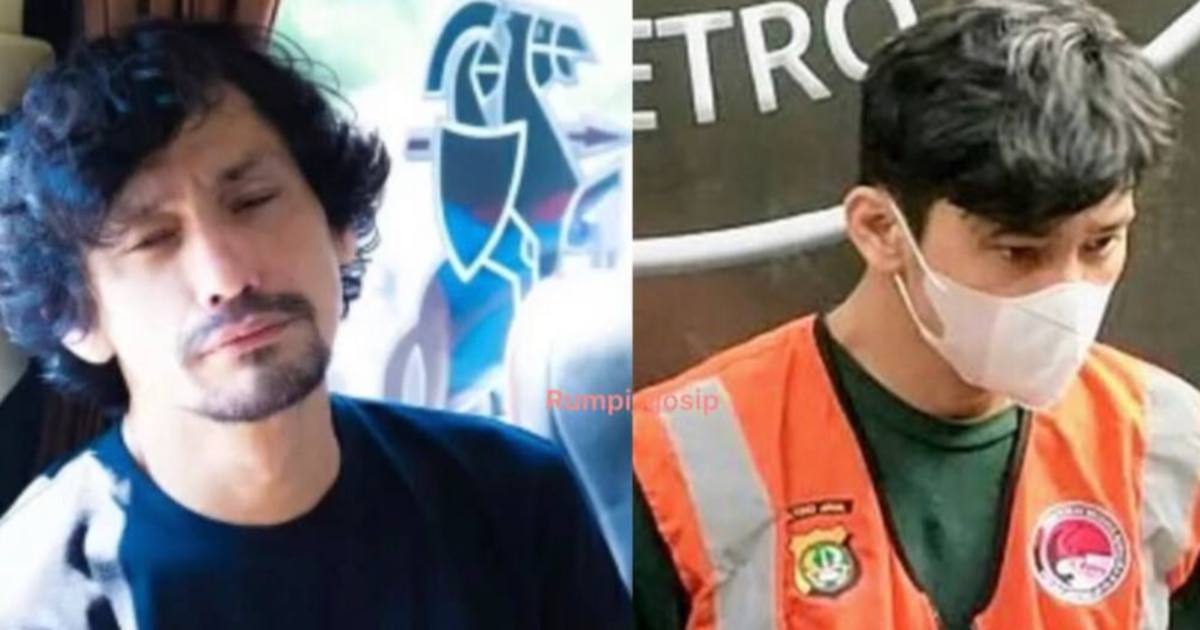
Indonesian actor Revaldo Fifaldi found himself in legal trouble once more after authorities arrested him yesterday during a drug enforcement operation targeting an apartment in South Jakarta. The detention marks the fourth occasion on which the entertainment personality has faced arrest related to narcotics possession and consumption, signalling a recurring pattern that has increasingly shadowed his career in the highly scrutinised entertainment industry.
The latest apprehension came as part of coordinated law enforcement efforts in the capital, where anti-narcotics units conducted a raid on residential premises in the southern district. Officials recovered substances during the operation, though specific details regarding quantities and composition were not immediately disclosed by authorities overseeing the investigation. The precise circumstances surrounding the raid and the timeline leading to the actor's detention remain under official review.
Revaldo's repeated entanglement with the criminal justice system has become a notable fixture in Indonesian celebrity news cycles, with each successive arrest drawing heightened media attention and public commentary. The accumulation of four separate incidents creates a significant narrative around substance abuse issues within the entertainment sector, where personal struggles often play out under intense public and press scrutiny. For a performer whose professional standing depends on public perception and commercial viability, such repeated legal complications pose substantial challenges to career longevity and reputation recovery.
The entertainment industry in Indonesia, much like other Southeast Asian markets, operates within complex cultural and regulatory frameworks where drug-related offences carry serious social stigma and legal consequences. Public figures facing narcotics charges typically experience severe professional repercussions, including project cancellations, endorsement terminations, and audience alienation. The cumulative effect of multiple arrests can effectively derail careers, particularly for performers whose appeal relies on maintaining a certain public image and marketability to producers and sponsors.
Drug enforcement remains a high-priority area for Indonesian authorities, with the nation grappling with significant substance abuse challenges across various demographic segments. Law enforcement agencies maintain active monitoring and intervention programmes, particularly in metropolitan centres like Jakarta where population density and urban lifestyle factors create conditions conducive to illicit drug circulation. Regular raids and arrests form part of a broader governmental strategy to combat narcotics distribution and consumption at different levels of the supply chain.
The circumstances of Revaldo's arrest and his stated motivations warrant examination within the broader context of substance abuse, addiction, and the pressures faced by entertainment personalities. The actor's reference to staying fit suggests potential rationalisation or justification of substance use, a narrative that sometimes emerges in discussions surrounding recreational drug consumption. However, repeated legal interventions indicate escalation beyond casual experimentation, pointing instead towards possible dependency issues requiring clinical intervention rather than purely punitive approaches.
For Malaysian audiences monitoring Indonesian entertainment news, the case illustrates how substance abuse challenges transcend national borders and affect the creative industries throughout Southeast Asia. Similar patterns of celebrity involvement with narcotics have surfaced in Malaysia, Singapore, and Thailand, indicating region-wide vulnerabilities within the entertainment ecosystem. The interconnectedness of Southeast Asian media industries means that reputational damage in one country often has spillover consequences for regional career prospects and professional networks.
The legal framework governing drug offences in Indonesia carries stringent penalties, with possession and consumption charges potentially resulting in substantial prison sentences and fines. Previous arrests have ostensibly provided opportunities for intervention and rehabilitation, yet the recurring nature of Revaldo's legal difficulties suggests that existing intervention mechanisms may have proven insufficient in addressing underlying issues. The question of whether legal consequences alone can facilitate meaningful behavioural change remains pertinent, particularly given the apparent cyclical pattern visible in this case.
Industry stakeholders and observers have increasingly called for more comprehensive approaches to substance abuse within entertainment sectors, encompassing preventive education, workplace support systems, and rehabilitation facilities designed to meet the particular pressures and vulnerabilities of high-profile performers. The stigmatisation surrounding drug-related offences, while serving as a deterrent, may simultaneously hinder individuals from seeking voluntary treatment and support. Balancing accountability with access to genuine rehabilitation resources presents an ongoing challenge for authorities and industry bodies across the region.
Revaldo's case adds to a broader contemporary discourse surrounding celebrity welfare, mental health, and the darker aspects of entertainment industry culture. The frequency of his arrests raises questions about systemic factors contributing to substance abuse among performers, whether environmental pressures, psychological vulnerabilities, or inadequate support mechanisms during career difficulties. Moving forward, the implications extend beyond individual consequences to encompass industry-wide responses and policy considerations regarding how entertainment sectors can better protect their personnel from substance-related harms.
The investigation into yesterday's raid remains ongoing, with authorities likely to proceed with formal charges and legal proceedings. The actor's legal team will presumably navigate the complex judicial process to determine outcomes regarding sentencing, penalties, and any rehabilitation requirements. This fourth arrest represents not merely another incident but a critical juncture that may determine whether interventions prove effective or whether continued legal cycling continues unabated.

