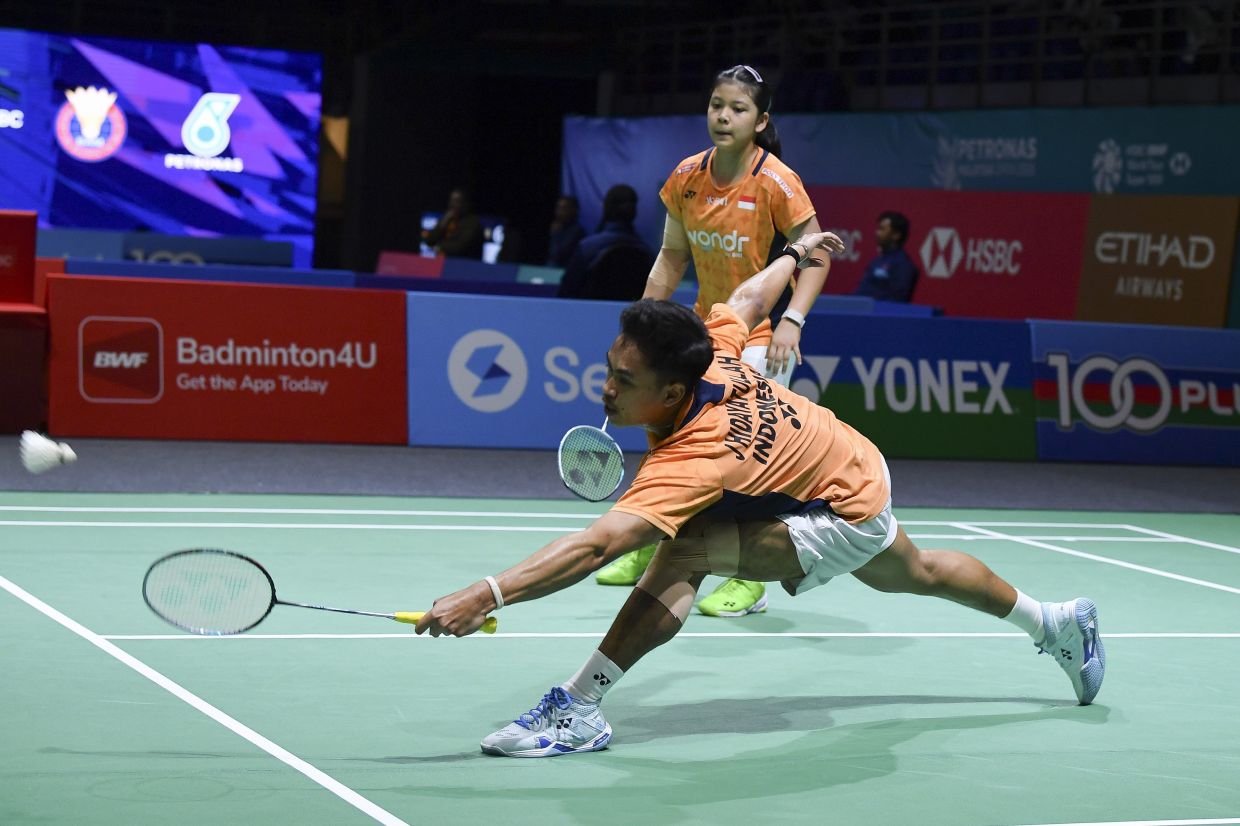
Two Indonesian mixed doubles pairs have withdrawn from the World Championships in what observers view as a significant development in an unfolding match-fixing investigation that threatens to taint the sport's integrity at its highest levels. Jafar Hidayatullah-Felisha Pasaribu, currently ranked 13th globally, and fellow pairing Adnan Maulana-Indah Cahya Sari Jamil have both pulled out from the marquee tournament, stoking widespread speculation about their involvement in alleged integrity breaches under examination by the Badminton World Federation.
While the Indonesian Badminton Association (PBSI) has refrained from explicitly connecting the withdrawals to the investigation, the timing and circumstances have inevitably raised questions throughout the badminton community. The PBSI secretary-general Ricky Soebagdja characterised the move as routine squad adjustments, framing the decision within the organisation's broader mandate to maintain compliance with international regulations and procedural requirements. This carefully worded approach appears designed to manage the narrative while an independent judicial process unfolds, reflecting the delicate position authorities face when addressing allegations that could undermine public confidence in the sport.
The Badminton World Federation is currently conducting independent judicial proceedings focused on alleged integrity violations involving several Indonesian competitors. This investigation represents a serious matter within professional badminton, where match-fixing scandals have periodically emerged to damage the sport's credibility. The BWF's decision to pursue independent proceedings demonstrates the federation's commitment to maintaining the integrity of international competition, yet the specifics of the allegations and the identities of all players under scrutiny remain undisclosed pending the conclusion of formal hearings.
For Malaysian badminton enthusiasts and observers across Southeast Asia, the investigation carries particular relevance given the region's prominence in the sport. Indonesia and Malaysia have long been regional powerhouses, producing world-class talent and maintaining fierce competition at both domestic and international levels. Any suggestion of match-fixing within this competitive landscape raises concerns about fair play standards and the credibility of results that determine rankings and tournament seedings. The incident also highlights the vulnerability of professional badminton to integrity challenges, an issue that sports authorities throughout Asia have grappled with across multiple disciplines.
Adnan-Indah withdrew from the World Championships on July 13, followed shortly thereafter by Jafar-Felisha on July 29. The sequential nature of these withdrawals, separated by more than two weeks, suggests individual circumstances rather than a coordinated squad rotation. Yet the proximity of both decisions to the ongoing investigation inevitably links them in public perception. The PBSI has chosen not to elaborate on the specific reasoning behind either withdrawal, instead emphasising its alignment with the BWF's investigative framework and its respect for the independence of the hearing process.
The association's formal statement underscores its commitment to operating within international regulatory frameworks while the judicial proceedings advance. PBSI officials have requested that all stakeholders refrain from speculation until the BWF Independent Hearing Panel delivers its findings. This measured approach attempts to contain potential reputational damage to Indonesian badminton while allowing the investigation to proceed without external interference or premature conclusions. However, such silence can also amplify public curiosity and suspicion, particularly when concrete details about the allegations remain scarce.
Indonesia's mixed doubles representation at the World Championships will continue through alternative pairings, with the PBSI promoting replacements from its reserve roster. Amri Syahnawi-Nita Violina Marwah will lead the Indonesian mixed doubles contingent, while Rehan Kusharjanto-Gloria Widjaja have been elevated from the bench. These reassignments ensure that Indonesia maintains its presence in the mixed doubles competition, though the circumstances surrounding the original withdrawals inevitably overshadow these replacements' preparations and performances.
The match-fixing investigation exemplifies broader challenges confronting professional badminton as the sport expands commercially and attracts higher stakes at both playing and betting levels. Indonesia, like other badminton-obsessed nations in Asia, has experienced periodic integrity issues that required intervention from sporting authorities. The current BWF investigation signals that international governance structures possess mechanisms to detect and address suspected violations, yet preventing such breaches remains an ongoing challenge requiring sustained vigilance.
For Malaysian readers and Southeast Asian sports observers, this episode underscores the importance of institutional safeguards that protect competitive integrity across all levels of organised sport. The BWF's willingness to pursue independent proceedings, even when high-profile players are potentially involved, demonstrates that no athlete or federation stands above scrutiny. As the investigation progresses toward conclusions, the broader badminton community will watch closely for outcomes that might influence how similar cases are handled in future and what additional preventive measures might be implemented.
The PBSI's statement makes clear that it will not comment further on the matter while proceedings remain active, respecting the BWF's independent decision-making authority. This deference to the international federation's investigative process, while procedurally appropriate, leaves Indonesian badminton temporarily shrouded in uncertainty regarding the full scope of the allegations and their eventual resolution. When the BWF Independent Hearing Panel finally delivers its verdict, the findings will likely carry implications extending well beyond the specific players involved, potentially reshaping how badminton addresses integrity challenges across the sport.

