Soekarno-Hatta International Airport, Indonesia's primary gateway for international travel, is emerging as a critical battleground in Southeast Asia's drug war. With more than 300 narcotics cases documented through the first seven months of the year, the airport is processing at least two contraband seizures every single day. This escalating trend underscores the vulnerability of major aviation infrastructure to organised trafficking operations that move systematically across borders and exploit the constant flow of millions of travellers passing through regional hubs.
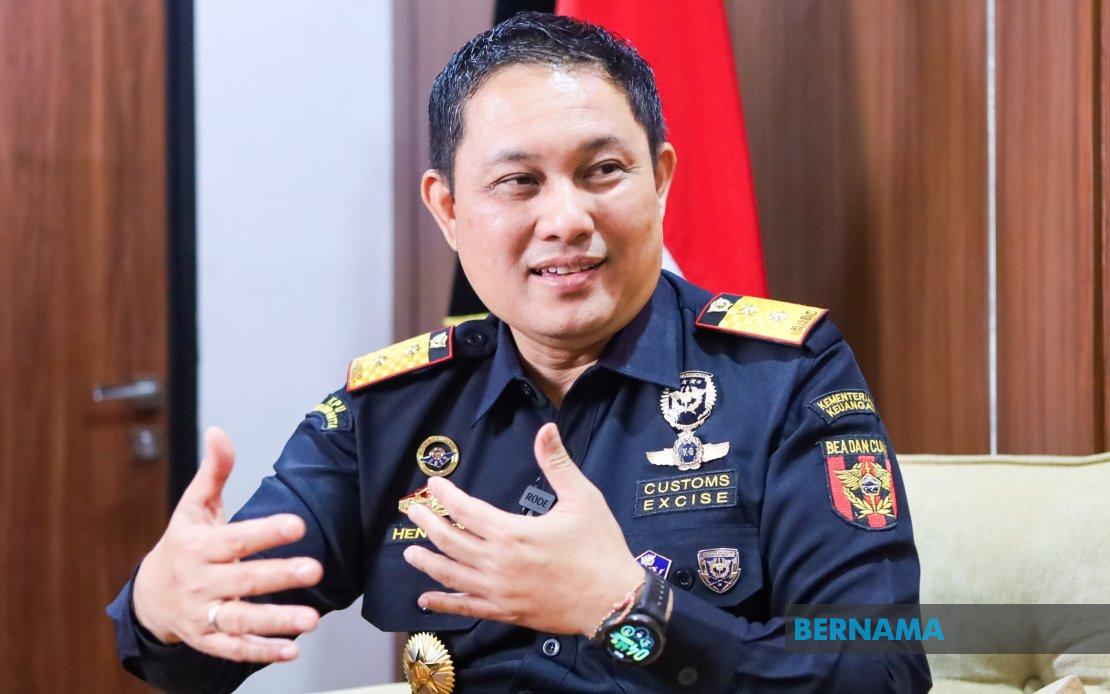
The scale of activity at Soekarno-Hatta, which handles between 25,000 and 30,000 international passengers daily, creates both opportunity and challenge for enforcement authorities. Hengky Tomuan Parlindungan Aritonang, head of the airport's customs and excise office, explained in a recent interview that these figures represent the intensity of detection work rather than necessarily indicating a surge in overall trafficking. Instead, they reflect how criminal syndicates have learned to weaponise the airport's sheer volume and complexity, recruiting couriers across multiple nationalities and routing shipments through indirect pathways designed to confuse traditional law enforcement patterns.
A critical insight from customs operations reveals how trafficking networks deliberately obscure the relationship between flight origin, courier nationality, and drug source. An aircraft arriving from Malaysia may carry contraband smuggled by an Indonesian national, with the substances themselves originating in a third country entirely. This deliberate decoupling of geographic indicators makes profiling based on nationality or flight routing ineffective. Aritonang noted that syndicates operating in the region routinely approach individuals working abroad and persuade them to carry drugs upon their return to Indonesia, exploiting emotional connections to home and the expectation that returning nationals face lighter scrutiny than foreign visitors.
The geographic footprint of detected cases reflects interconnected trafficking routes spanning the entire region. Suspects intercepted at Soekarno-Hatta originated from countries including Spain, France, Malaysia, and China, whilst drugs seized came predominantly from Thailand, Spain, Malaysia, and Singapore. These patterns indicate well-established supply chains linking production areas in Myanmar and the Golden Triangle through established transit hubs in Thailand and Malaysia, then funnelling into Indonesia. The sophistication of these networks suggests they benefit from organised infrastructure, corruption networks, and deep familiarity with airport security procedures across multiple jurisdictions.
The substances being intercepted reveal the commercial priorities of trafficking organisations. Psychotropic drugs, etomidate, and methamphetamine constitute the most frequently smuggled items, though methamphetamine and MDMA account for the largest seizures by weight, suggesting different distribution strategies for different drug classes. Some contraband enters through traditional luggage channels, whilst customs investigators have also identified significant quantities concealed in air cargo shipments. In cargo cases, authorities focus on identifying intended recipients, then work backwards to establish the supply chain and apprehend senders, potentially disrupting larger networks rather than merely intercepting individual couriers.
Recent high-profile cases have thrust Malaysian nationals into the spotlight and raised regional sensitivities. A Malaysian pilot was arrested following the seizure of approximately 25 kilogrammes of MDMA at Soekarno-Hatta last week, representing an extraordinarily significant quantity. At Juanda International Airport near Surabaya, another Malaysian national was detained with 990 grammes of methamphetamine and 1,089 ecstasy pills allegedly strapped directly to his body. Most recently, three Malaysian women were apprehended at Soekarno-Hatta after customs discovered suspected MDMA, cocaine, and ketamine, further extending the pattern of Malaysian involvement in seizures. These cases, concentrated within weeks, have naturally drawn media attention and diplomatic awareness across the Strait of Malacca.
The prominence of Malaysian nationals in recent arrests reflects broader demographic and geographic realities rather than deliberate targeting. Aritonang explicitly reassured Malaysian travellers that customs screening operates without reference to nationality, ethnicity, or skin colour. Rather, detection relies on data analysis, intelligence information, and X-ray imaging. Officers conducting inspections cannot identify whose baggage they are examining until they have already identified suspicious indicators, meaning initial screening decisions rest on objective image analysis rather than profile-based criteria. This procedurally colour-blind approach aims to prevent the emergence of perceptions that entire nationalities face systematic discrimination.
The arrested pilot case, however, merits exceptional attention not because of the suspect's nationality but because of the rarity and audacity involved. Pilots undergo extraordinarily stringent licensing requirements, recruitment screening, medical examinations, and background checks that position them as among the least likely candidates for courier roles. Their security clearances, airport access privileges, and professional standing create an expectation that they fall outside trafficking recruitment networks. The fact that a syndicate apparently recruited someone with such credentials suggests either that recruitment has become exceptionally aggressive, or that law enforcement understanding of vulnerability profiles remains incomplete. Aritonang reflected that officers consider certain options impossible, and syndicates deliberately exploit this psychological gap by attempting what authorities dismiss as implausible.
Indonesian customs history offers limited comparative examples. According to Aritonang, only one other documented case of a pilot involvement in drug smuggling has surfaced within Indonesia, involving an Indonesian pilot approximately two decades ago. This historical rarity underscores how the recent Malaysian pilot arrest represents a significant departure from established patterns. The case suggests either that regional trafficking organisations are becoming bolder and more willing to approach high-risk targets, or that they have identified specific vulnerabilities in pilot recruitment and lifestyle that make them attractive courier candidates despite their institutional prominence.
For Malaysian authorities and travellers, these cases carry multiple implications. Whilst Malaysian nationals represent only one component of the diverse suspect population at Soekarno-Hatta, the concentration of recent arrests involving Malaysian citizens demands clear attention. The cases highlight how proximity to Singapore and Thailand, coupled with Malaysia's own position as a regional trafficking hub with established smuggling infrastructure, creates vulnerability to involvement in Indonesia-bound shipments. Malaysian individuals, whether citizens or workers abroad, remain attractive recruitment targets for syndicates exploiting cross-border familiarity and economic incentive structures.
The broader Southeast Asian context reveals how major aviation hubs have become essential infrastructure for drug networks spanning multiple countries. Soekarno-Hatta, like Kuala Lumpur International Airport and Bangkok's Suvarnabhumi, processes such enormous passenger volumes that even detection rates exceeding 300 cases yearly represent a tiny fraction of total throughput. This fundamental arithmetic advantage—that syndicates need only succeed once whilst authorities must prevent all attempts—ensures that trafficking will continue despite aggressive enforcement. Regional cooperation among customs authorities in Indonesia, Malaysia, Thailand, and Singapore remains essential for disrupting networks at their source rather than merely intercepting couriers at airports.
Artitonang's careful messaging acknowledges the diplomatic sensitivity surrounding the recent Malaysian arrests whilst firmly defending the professionalism of Indonesian customs operations. He recognises that high-profile cases create perceptions of targeting, even when enforcement operates according to standardised protocols. Simultaneously, he emphasises that syndicates exploit professional blind spots and psychological assumptions about who would commit particular crimes. The challenge for Indonesian authorities and their regional counterparts involves maintaining both rigorous enforcement and public confidence that screening decisions rest on evidence rather than nationality-based profiles. As trafficking networks continue adapting their recruitment and routing strategies, this balance between effectiveness and fairness remains increasingly difficult to maintain.

