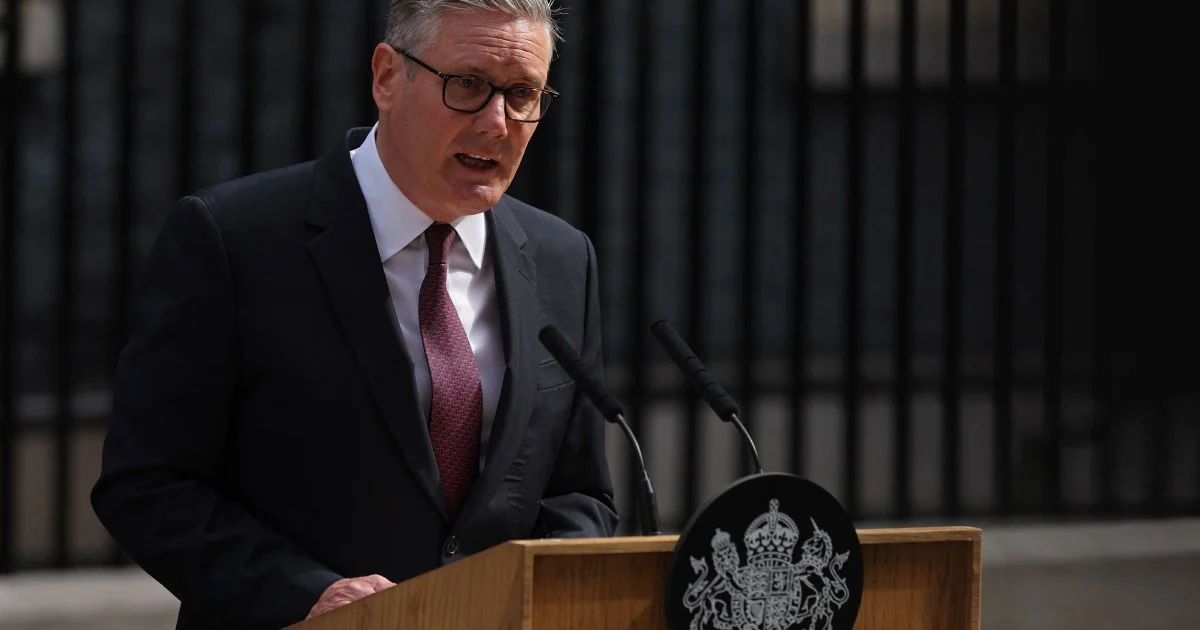
Prime Minister Keir Starmer announced his resignation on Monday, setting the stage for Britain's Labour Party to select a new chief before the Westminster parliament reopens in September. This development marks yet another chapter in an extraordinary period of political turbulence for the United Kingdom, where leadership at the highest level has become increasingly unstable and uncertain. Over the past decade, British voters have witnessed seven different individuals assume the role of Prime Minister, a frequency that underscores the volatility currently characterising the nation's political landscape.
The timing of Starmer's departure represents a significant turning point for the Labour government, which only recently secured a mandate from the electorate. His decision to step aside before the summer recess provides a structured window for the party to conduct its leadership selection process, avoiding the kind of chaotic interim period that might otherwise unsettle financial markets or create a vacuum in governance during the busy parliamentary calendar. The compressed timeframe between his announcement and parliament's return presents both logistical challenges and opportunities for the Labour apparatus to demonstrate organisational competence.
Britain's system for choosing a new Prime Minister differs fundamentally from the presidential models many other democracies employ. The role is not directly elected by the public but rather emerges from the majority party in the House of Commons. When a sitting PM resigns, the party holding the most seats must rapidly identify and confirm a new leader who can command the confidence of that parliamentary majority. In Labour's case, this means the party membership and parliamentary MPs play decisive roles in the selection process, though the exact mechanisms have evolved over time and continue to generate debate within party circles.
The Labour Party's leadership selection mechanism involves a two-stage process that balances grassroots democracy with practical governance considerations. Initially, MPs and party members vote to narrow the candidate field to a manageable number of contenders. Subsequently, the full membership base participates in a final ballot to determine the winner. This dual-voting structure attempts to ensure that the eventual leader enjoys support across the party's various constituencies, from Westminster parliamentarians to the broader activist base, though tensions frequently emerge between these different groups regarding priorities and ideology.
Historically, the transition of power between Labour leaders has sometimes been contentious, with competing visions for the party's direction surfacing during campaigns. Candidates typically differentiate themselves through policy positions, leadership style, and vision for the party's future electoral prospects. The current context presents particular complexity, as Starmer's departure occurs amid specific political circumstances that have shaped perceptions of his premiership and influenced which potential successors might have strongest appeal within the party and to the electorate at large.
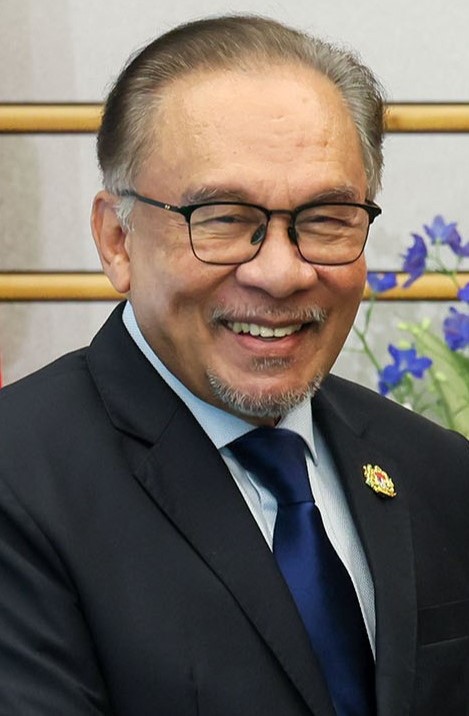
The Malaysian political context offers an instructive contrast when observing these British proceedings. While Westminster operates through party-based leadership succession, Malaysia's systems involve different constitutional frameworks and party structures. Nevertheless, both democracies grapple with questions about leadership stability, succession planning, and the balance between party democracy and governmental continuity. The rapid turnover of British Prime Ministers might give pause to observers across Southeast Asia considering international governance trends and institutional resilience.
The September timeline for Labour's leadership decision reflects a calculated approach to maintaining continuity of government while allowing adequate time for internal deliberation. Unlike some previous Conservative Party leadership contests that concluded within weeks, compressed timescales that potentially compromised candidate vetting, Labour's extended schedule permits more thorough evaluation. This duration gives candidates opportunity to articulate substantive policy platforms and allows members meaningful time to assess potential leaders across various dimensions.
The broader implications of Starmer's resignation extend beyond immediate party mechanics to encompass fundamental questions about governance and democratic legitimacy. A nation experiencing seven Prime Ministers across a single decade inevitably confronts questions about institutional stability, voter confidence, and the capacity of political systems to deliver sustained policy direction. For observers in Malaysia and other Commonwealth nations, Britain's experience offers cautionary lessons regarding the importance of durable governing coalitions and the costs associated with excessive leadership churn.
Several Labour figures have already signalled potential interest in the leadership position, though formal candidacies have not uniformly materialised at this early stage. The contenders will likely represent various wings of the party, from centrist figures potentially more aligned with Starmer's previous positioning to candidates emphasising different policy priorities or communication approaches. The composition of the final ballot will substantially shape the leadership campaign's tenor and the ideological direction the party ultimately pursues.
The international dimension of this leadership transition warrants consideration as well. British governments maintain relationships with regional partners, international organisations, and trading partners worldwide. Leadership transitions inevitably prompt questions from external stakeholders regarding continuity of foreign policy, commitment to existing agreements, and the orientation the new Prime Minister will bring to Britain's international engagement. For Malaysia and other Southeast Asian nations maintaining bilateral relationships with Britain, the succession process carries implications for defence partnerships, trade negotiations, and regional cooperation frameworks.
Parliament's September return creates a natural deadline that provides both constraint and clarity to Labour's selection process. By that date, a new party leader will need to be installed, capable of commanding parliamentary confidence, and prepared to address the legislative agenda awaiting the chamber. This concentrated timeline prevents extended speculative periods while simultaneously limiting opportunities for the new leader to build substantial additional support during the campaign itself.
The seventh Prime Minister in ten years statistic crystallises the underlying political turbulence characterising contemporary Britain. Each transition carries implicit commentary on the previous leader's tenure, the challenges facing the nation, and the party's assessment of what qualities the next leader requires. As Labour moves forward with its selection process over the coming weeks, the organisation has opportunity to demonstrate whether its mechanisms for choosing leadership function effectively and produce a candidate capable of commanding both party loyalty and broader public legitimacy during an evidently volatile political period.