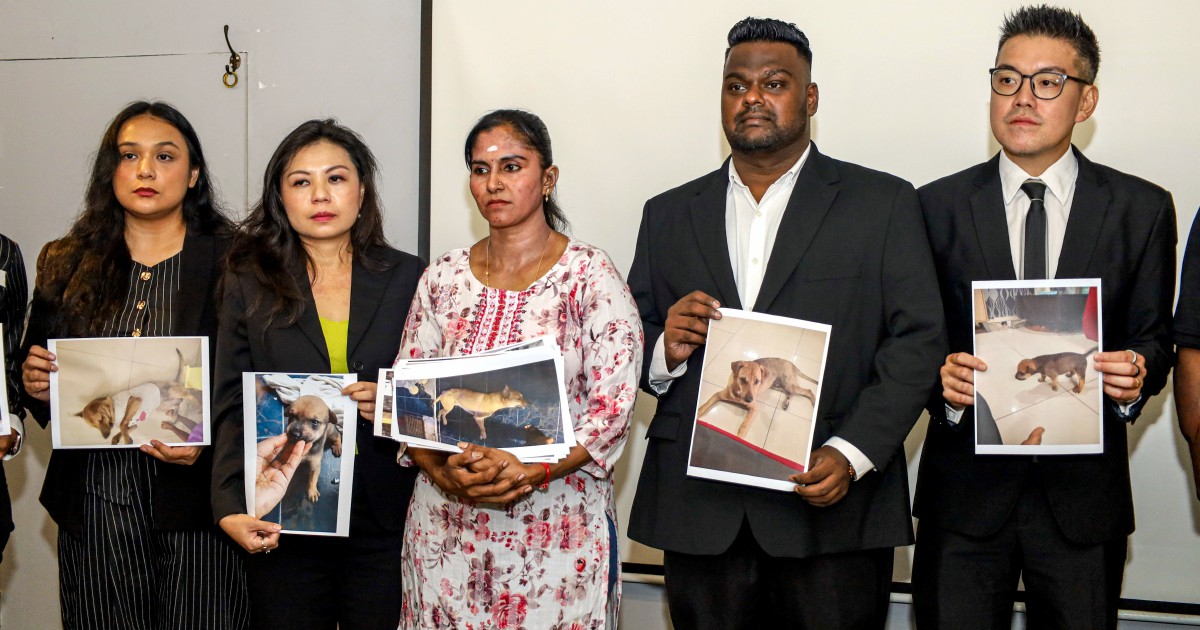
An investigation has been initiated following the death of Rocky, a pet dog that local authorities allegedly killed while attempting to capture stray animals in Taman Teluk Gedung Indah, Port Klang. The incident has prompted Rocky's owner to demand a full and transparent probe into what transpired, raising fresh concerns about animal welfare standards in current dog-catching operations across Malaysia.
The death of Rocky represents a significant breach of trust between residents and local authorities responsible for managing stray animal populations. Pet owners in the affected community have expressed alarm that standard catch operations may pose risks to domesticated animals, particularly those inadvertently caught up in such exercises. The incident underscores a longstanding tension in urban areas between the need to manage stray dog populations and the safety of family pets that may roam in residential neighbourhoods.
Standard operating procedures for dog-catching operations in Malaysia have come under scrutiny following this case. Questions have emerged regarding the training of personnel involved, the methods employed during captures, and the protocols designed to protect animals during transport and detention. Rocky's owner has specifically highlighted the need for clearer guidelines that distinguish between stray and domestic animals, as well as procedures that minimise harm regardless of classification.
The Port Klang municipal authorities face mounting pressure to demonstrate their commitment to humane animal management practices. This incident serves as a test case for how local governments respond to public accountability demands in matters of animal welfare. The transparency call is particularly significant as it reflects broader expectations among Malaysian residents for institutional openness and responsiveness to community concerns.
From a regional perspective, Malaysia's approach to stray animal management often relies on capture-and-contain or other removal methods. However, such approaches have generated criticism from animal welfare advocates who argue that more progressive alternatives—including community-based sterilisation programmes and adoption initiatives—should be prioritised. The Rocky case may accelerate discussions about adopting more humane standards across Southeast Asian urban centres.
Pet ownership has grown substantially across Malaysia in recent years, reflecting changing attitudes towards animals within households. This demographic shift means that more families have invested emotional and financial resources in their pets, heightening sensitivity to perceived threats from government operations. Rocky's case resonates beyond the immediate neighbourhood, activating networks of pet owners who view the incident as emblematic of systemic shortcomings in animal protection.
The investigation presents an opportunity for authorities to implement corrective measures that protect both public interests and individual pet owners' rights. Enhanced identification systems, clearer operational boundaries, and independent oversight mechanisms could prevent similar incidents. Additionally, improved communication between local authorities and residents regarding planned operations might allow pet owners to secure their animals beforehand.
Calls for transparency also reflect deeper concerns about accountability within municipal governance structures. When incidents occur during routine operations, the manner in which authorities respond determines public confidence in institutional practices more broadly. A thorough, impartial investigation that acknowledges any wrongdoing and implements preventive reforms could restore community trust, whereas defensive or opaque procedures would likely deepen scepticism.
The case highlights the need for Malaysia to develop comprehensive animal welfare frameworks that harmonise stray management objectives with protection for domestic pets and consideration for animal sentience. Other Southeast Asian jurisdictions have experimented with alternative approaches, and Malaysian authorities might benefit from studying these models. Community involvement in planning catch operations and exploring non-lethal methods could offer pathways that balance public health concerns with animal welfare imperatives.
For residents of Taman Teluk Gedung Indah and similar communities, the investigation outcome will signal whether their grievances are treated seriously by local administration. The pressure to provide a transparent, credible inquiry is considerable, and the results are likely to influence public cooperation with future animal management initiatives. Should authorities deliver a thorough investigation with meaningful reforms, it could serve as a model for other municipal governments facing similar pressures.
The incident also raises questions about whether existing training programmes for dog-catching personnel adequately cover animal welfare, stress management, and decision-making protocols. Rocky's case suggests that procedural gaps exist—gaps that comprehensive review and enhanced training could address. Implementation of body cameras, independent supervisors, or veterinary oversight during operations might provide additional safeguards.
Ultimately, Rocky's death presents the municipal authorities with a choice between defensive minimisation and genuine institutional improvement. A forward-looking response that acknowledges the community's concerns, establishes clearer operational standards, and demonstrates commitment to humane practices would position local governance as responsive to public welfare. The investigation, therefore, extends beyond determining what happened to Rocky; it will test whether Malaysian authorities can translate community demands into substantive policy reforms that protect both public interests and individual pet owners' rights.

