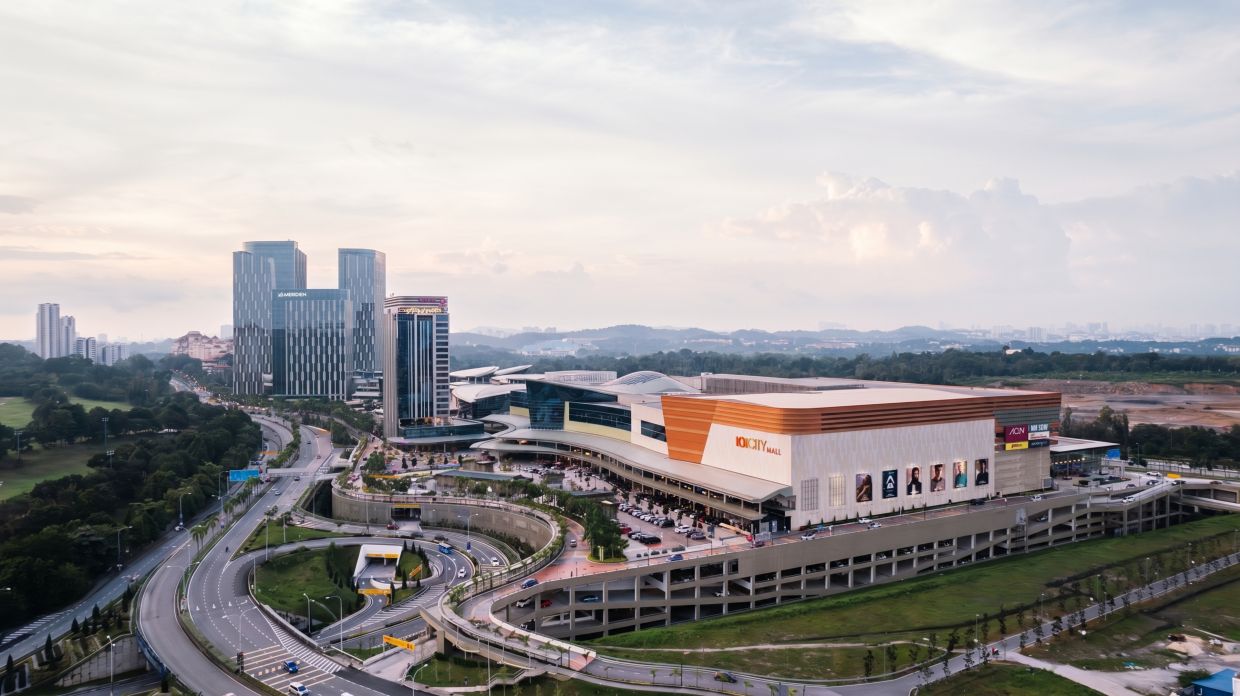
IOI Properties Group has cleared a major regulatory hurdle with Securities Commission approval for a real estate investment trust offering that will bring together some of Malaysia's most recognisable commercial and hospitality assets under a single investment vehicle. According to filings submitted to Bursa Malaysia, the REIT will commence operations with an initial portfolio valued at RM7.58 billion and will issue 5.5 billion units to institutional and retail investors.
The asset base underpinning the REIT demonstrates the scale and quality of IOIPG's real estate holdings across Malaysia's key commercial hubs. The portfolio encompasses both phases of IOI City Mall in Putrajaya, the IOI City Towers office complex, and PFCC Towers. Beyond these anchor retail and commercial assets, the group is bundling in a carefully curated collection of upmarket hotel properties that collectively represent significant revenue generation potential. These hospitality assets include the Putrajaya Marriott, Le Méridien Putrajaya, and Moxy Putrajaya, all positioned in the federal administrative centre, alongside the Four Points by Sheraton Puchong, W Kuala Lumpur, and Courtyard by Marriott Penang.
The funding structure reveals how IOIPG intends to finance the acquisitions while balancing capital requirements. The group will issue 5.5 billion consideration units at a price of 90 sen per unit, generating approximately RM4.95 billion in proceeds. The remaining funding gap of RM2.65 billion will be met through Islamic financing via Sukuk issuance, reflecting the increasingly important role of Shariah-compliant debt instruments in Malaysian corporate financing.
The retail offering component has been structured to ensure broad-based participation from Malaysian investors. The retail tranche comprises 715.6 million units and includes multiple channels designed to reach different investor segments. A restricted offer for sale will be extended to existing IOIPG shareholders, providing them first access to participate in the REIT listing. Beyond this, the offering incorporates allocations for eligible persons and a public tranche open to general investors. Notably, 55 million units within the retail offering have been specifically reserved for Bumiputera investors, reflecting regulatory requirements and the Malaysian government's policy objectives regarding Bumiputera participation in capital markets.
The institutional component of the IPO will complement the retail offering with up to 1.48 billion units available to qualifying institutional investors. This tranche is open to both Bumiputera-approved institutional investors and general institutional participants, allowing major fund managers, insurance companies, and other large-scale investors to build positions in the REIT. The combination of retail and institutional tranches totalling approximately 2.2 billion units demonstrates IOIPG's confidence in investor appetite for real estate exposure in Malaysia.
Securities Commission approval came with specific conditions that will shape how the REIT operates post-listing. The regulator has mandated that Bumiputera equity participation must reach a minimum of 12.5 percent, ensuring meaningful local community involvement in the ownership structure. Additionally, operational audits will be required following the listing to verify that the REIT is functioning in compliance with regulatory expectations and delivering value to investors. These oversight mechanisms reflect the SC's commitment to investor protection and transparent governance in the REIT sector.
This REIT listing represents a strategic value-unlocking exercise for IOIPG, transforming trophy assets that have been generating rental and operational revenue into investment instruments accessible to the broader Malaysian public. The move allows the company to crystallise value from its real estate portfolio while maintaining operational involvement through its role as asset owner. For investors, the REIT provides diversified exposure to Malaysia's three most economically significant property segments—retail, office space, and hospitality—each with distinct return profiles and market dynamics.
The timing of this listing reflects broader trends in the Malaysian real estate sector, where institutional capital increasingly seeks stable, income-generating properties. Shopping malls, particularly premium ones like IOI City Mall that anchor Putrajaya's commercial ecosystem, remain critical retail destinations despite e-commerce growth. Similarly, Grade-A office towers continue to attract occupancy demand from multinational corporations and professional services firms establishing Malaysian operations. The hospitality component offers exposure to Malaysia's tourism and business travel sectors, which have shown resilience and growth potential despite pandemic-related disruptions.
For Putrajaya specifically, the concentration of IOIPG assets in the federal territory signals confidence in the administrative capital's continued development and commercial viability. Putrajaya has evolved beyond its original conception as purely government-focused, increasingly serving as a business and hospitality destination. The inclusion of multiple premium hotel properties in Putrajaya within the REIT portfolio underscores the city's importance as a conference and tourism hub.
The REIT's launch also carries implications for Malaysia's capital markets development. Real estate investment vehicles remain an underdeveloped segment compared to mature markets, with significant capacity for growth. IOIPG's listing will add to the limited pool of large-scale Malaysian REITs available to investors seeking property-backed securities. This expansion offers institutional and retail investors greater portfolio diversification options beyond traditional equity and bond instruments.
Beyond IOIPG, this approval may catalyse further REIT launches from other Malaysian property developers and real estate operators sitting on substantial asset bases. The regulatory framework, demonstrated through the SC's handling of this listing, is now further tested and clarified, potentially reducing barriers for subsequent applicants. As Malaysia seeks to deepen and diversify its capital markets, REITs represent a natural asset class for expansion, particularly given the country's established real estate sector and investor familiarity with property as an investment class.

