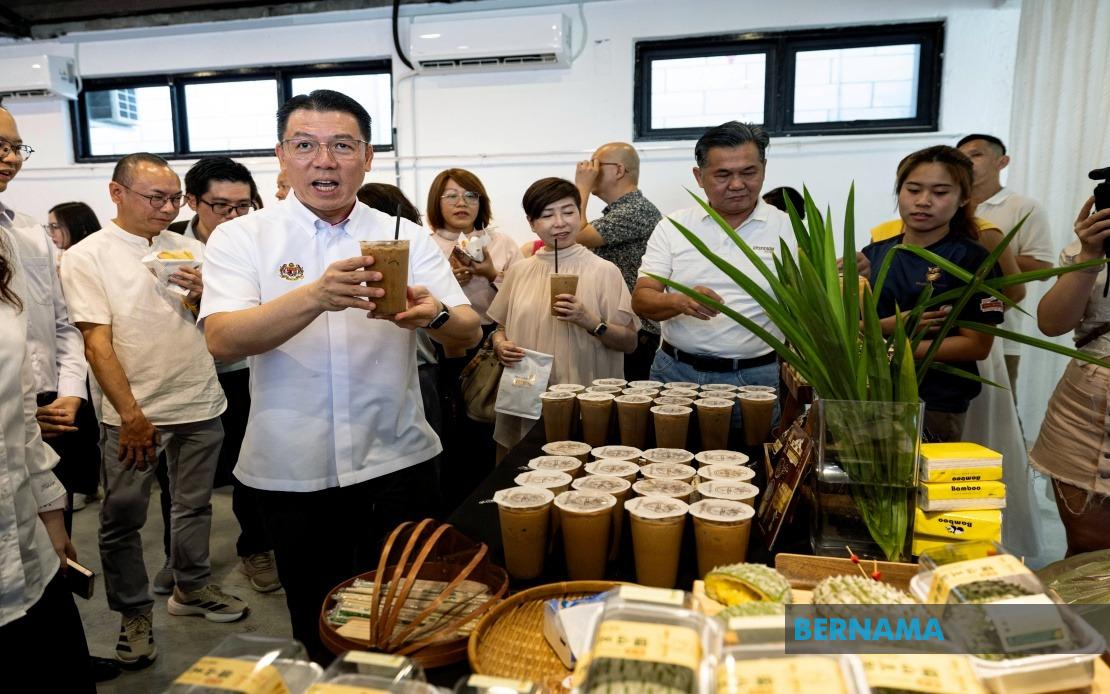
The Jom Makan Ipoh 2026 Expo has been officially unveiled as a significant cultural initiative designed to position food as a powerful symbol of national cohesion and shared identity. Housing and Local Government Minister Nga Kor Ming, who represents the Kepayang assembly constituency, outlined the vision during the programme's pre-launch event in Ipoh, framing the three-day festival as more than a culinary showcase but rather a deliberate statement about Malaysia's ability to build bridges across its diverse communities through the universal language of food.
Scheduled to run from August 28 to 30, 2026, the expo will operate during evening hours between 5 pm and 11 pm at Palo 101 in Ipoh, capitalising on the Merdeka Month period to amplify its message of unity and national pride. The decision to organise the event during Malaysia's independence celebrations underscores the government's strategic approach to linking cultural and culinary identity with broader themes of national solidarity. By anchoring the expo within this patriotic context, organisers aim to elevate food beyond its traditional role as a consumer product and reimagine it as an instrument of social cohesion that transcends ethnic and religious boundaries.
The expo will feature more than 50 stalls dedicated to food and agricultural products, with particular emphasis on 12 distinctive Ipoh specialties that have gained recognition both domestically and internationally. These culinary landmarks include Ipoh White Coffee, Laksa Buyong, nasi ayam taugeh, and puding taufu, each representing specific chapters in the city's gastronomic history. By concentrating on these locally iconic dishes, the event seeks to preserve and celebrate Ipoh's unique food identity while simultaneously using these traditions as entry points for conversations about cultural diversity and heritage preservation across the broader Malaysian context.
A distinctive feature of the expo is the establishment of six dedicated Ipoh Food Culture Galleries, which will educate visitors about the historical evolution and cultural significance of the city's culinary landscape. These galleries will examine themed aspects of Ipoh's food heritage, including the profound influence of the tin mining era on local food culture, the story behind kacang putih production and consumption, the role of sambal and ulam in the regional diet, and the transformative journey of Ipoh White Coffee from a local beverage to a globally recognised product. This educational dimension transforms the expo from a simple marketplace into a museum-like experience, allowing attendees to understand the socio-historical forces that shaped Ipoh's food identity over generations.
Beyond static displays, the organisers have programmed a diverse slate of live entertainment and interactive experiences designed to engage visitors across the three-day period. Cultural performances representing various ethnic communities will take centre stage throughout the festival, creating opportunities for cross-cultural appreciation and celebration. Food Talks Ipoh sessions will provide platforms for culinary experts, historians, and local food entrepreneurs to share insights into the preparation, cultural significance, and future trajectory of traditional Ipoh dishes. The introduction of the Ipoh QR Digital Food Map represents a technological innovation that will enable visitors to navigate the expo while accessing detailed information about individual vendors, dishes, and their cultural backgrounds through their mobile devices.
The entertainment programme will culminate in a fireworks display during the closing ceremony on August 30, providing a dramatic conclusion to the festivities. Additionally, lucky draw prizes distributed throughout the three days will incentivise attendance and participation in the various galleries, food stalls, and cultural performances. This combination of culinary, educational, and entertainment elements reflects a comprehensive understanding of visitor expectations and the various motivations that drive attendance at such community events, from gastronomic exploration to cultural learning to family entertainment.
Minister Nga articulated a strategic vision for the expo that extends beyond immediate economic benefits to the local food industry. He positioned food as a multifaceted asset that simultaneously functions as a tourism product generating revenue, as a cultural artefact deserving preservation and study, as an educational tool for teaching Malaysian values to younger generations, and as a practical mechanism for fostering intercommunal understanding and solidarity. This multidimensional framing reflects a sophisticated approach to cultural policy that recognises how seemingly apolitical domains like food and cuisine can effectively advance broader national objectives around unity and social cohesion.
Expectations for visitor attendance stand at more than 20,000 people across the three-day period, a figure that underscores the perceived appeal and relevance of such food-focused cultural events within Malaysian society. This anticipated crowd level suggests strong public interest in experiences that combine leisure, cultural education, and culinary exploration. For Ipoh specifically, the expo represents an opportunity to reinforce the city's positioning as a culinary destination of note within Malaysia, potentially attracting tourists and food enthusiasts from across the region and internationally.
The expo's conceptual framework aligns with broader Southeast Asian and global trends emphasising the use of food culture as a vehicle for tourism development and cultural diplomacy. Many regional cities have successfully leveraged their distinctive culinary traditions to differentiate themselves competitively and attract visitor spending. The Jom Makan Ipoh initiative demonstrates Ipoh's recognition of these dynamics and its commitment to competing effectively within the regional tourism marketplace by showcasing what makes its food heritage distinctive and compelling.
For Malaysia more broadly, the expo reflects an official acknowledgement that food serves as one of the nation's most effective ambassadors, communicating messages about diversity, tolerance, and shared prosperity more powerfully than many conventional political or diplomatic channels. In an era when maintaining social cohesion across diverse communities represents a central governance challenge, using celebrated culinary traditions as focal points for unity-building initiatives offers a pragmatic and culturally resonant approach. The Jom Makan Ipoh 2026 Expo thus transcends its immediate function as a local event to become a microcosm of how Malaysian institutions are attempting to harness cultural resources in service of national integration.

