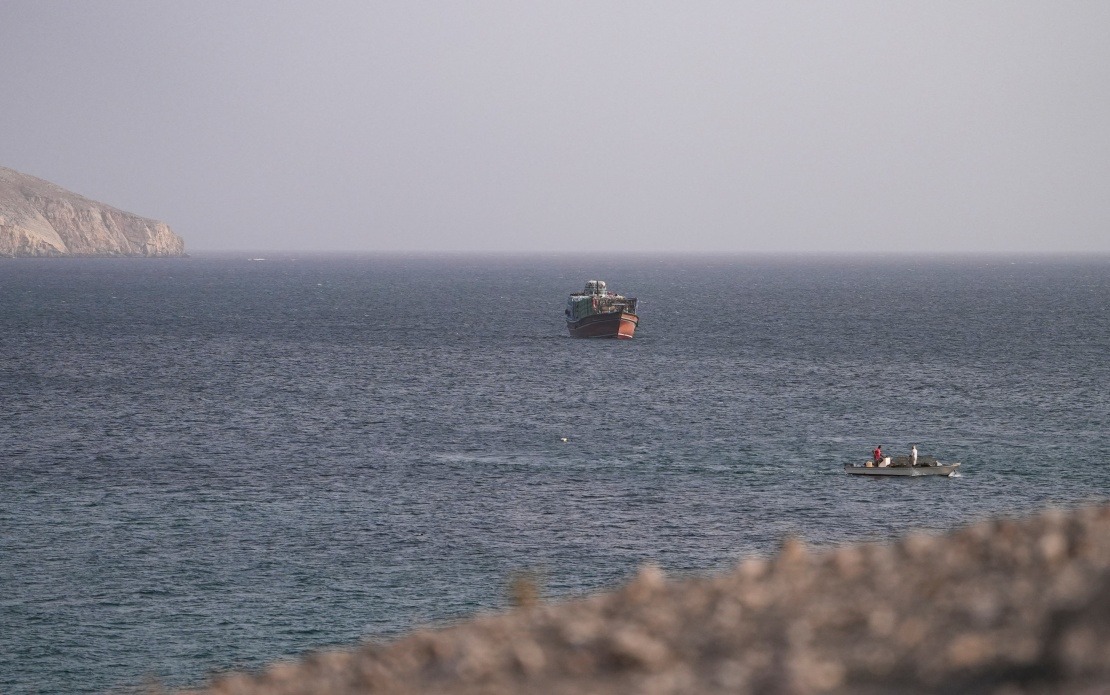
Iran is moving forward with Oman to create operational frameworks aimed at regulating navigation through the Strait of Hormuz, according to Foreign Minister Abbas Araghchi. His statement, delivered during discussions with British Foreign Secretary Ed Miliband on Friday, reflects Tehran's determination to establish a mechanism that would govern the movement of commercial vessels through one of the world's most economically critical waterways. The initiative underscores a broader diplomatic effort by Iran to assert control over maritime activities in waters adjacent to its coastline while seeking international cooperation in the process.
The Strait of Hormuz represents a chokepoint of immense global significance, with roughly one-third of all seaborne traded oil passing through its narrow passage between Iran and Oman. For Malaysia and other Southeast Asian nations heavily dependent on energy imports from the Middle East, the stability and accessibility of this waterway carries direct economic implications. Any disruption to shipping through the strait ripples across regional supply chains and energy security arrangements, making the mechanics governing its use a matter of keen interest to trading nations throughout the region.
During his conversation with Miliband, Araghchi explicitly cautioned against third-party interference in the Iran-Oman arrangement, asserting that outside involvement would only intensify existing complications. This language reflects Tehran's suspicion of Western involvement in regional maritime governance, particularly given the historically contentious relationship between Iran and the United States. The warning suggests that Iran views the bilateral mechanism with Oman as a sovereign arrangement that should remain insulated from broader geopolitical pressures, a position that may complicate efforts by Western nations to maintain influence over shipping freedom guarantees in the strait.
The diplomatic engagement between Iran and Britain during this phone call revealed stark differences in their approaches to regional stability. Araghchi seized the opportunity to criticise what he characterised as British complicity in conflicts he attributes to American and Israeli actions against Iran, language that reflects longstanding tensions between Tehran and London. His framing of Britain's role as unjustifiable and condemnable signals that Iran views Western nations as aligned against its interests, a perception that inevitably affects bilateral diplomatic prospects and Tehran's willingness to embrace Western-backed maritime security arrangements.
In contrast, Miliband sought to reposition Britain's diplomatic stance, emphasising that the new British government does not view itself as adversarial toward Iran and remains committed to dialogue as the mechanism for resolving outstanding disputes. This positioning reflects London's apparent effort to distinguish itself from more hawkish Western approaches and to create space for diplomatic engagement. The contrast between the two positions illustrates the fundamental challenge facing peacemakers in the region: bridging the gap between Iran's insistence on sovereign control over maritime governance and Western nations' desire for international standards that guarantee unrestricted navigation.
Understanding the context of broader American-Iranian tensions illuminates why the Strait of Hormuz governance question has become so contentious. Washington has explicitly demanded that Iran cease targeting commercial shipping and guarantee unimpeded passage through the waterway, conditions that Iran has resisted. Instead, Tehran insists that any mechanism regulating vessel transit must be administered by Iran itself, reflecting a fundamental disagreement about who holds authority over the strait's security and management. This dispute reflects broader questions about sovereignty, international law, and the balance of power in the Persian Gulf region.
A significant diplomatic development preceded these recent discussions: in June, the United States and Iran signed a memorandum of understanding that incorporated elements of a ceasefire agreement, brokered through the mediation of Qatar and Pakistan. This milestone opened pathways toward negotiating a comprehensive accord to terminate the conflict, signalling that despite hostile rhetoric, both sides retained interest in de-escalation. The memorandum created space for the kind of bilateral initiatives, such as the Iran-Oman arrangement, that Araghchi now highlights as evidence of Tehran's constructive engagement.
Yet recent weeks have witnessed a troubling escalation in direct military confrontation. Washington has carried out strikes against Iranian targets, and Tehran has responded by attacking American military installations and equipment scattered across the region. This tit-for-tat pattern of military action, occurring even as diplomatic channels remain ostensibly open, underscores the fragility of current arrangements and the risk that renewed escalation could swiftly derail ongoing negotiations. For Malaysia and other regional observers, this volatility signals that the foundations supporting maritime stability remain unstable.
The involvement of Oman in this maritime governance initiative carries particular significance given Muscat's historical role as a neutral broker in Persian Gulf disputes. Oman, which shares a coastline along the strait, possesses geographic leverage and a reputation for diplomatic pragmatism that makes it an attractive partner for both Iran and Western powers seeking regional stability. By anchoring the governance framework in bilateral cooperation with Oman rather than involving multiple Western nations, Iran attempts to maintain the appearance of sovereign control while still engaging in practical coordination on navigation matters.
For Southeast Asian nations including Malaysia, the implications extend beyond mere shipping logistics. The governance of the Strait of Hormuz touches upon fundamental questions about international law, freedom of navigation, and the rights of coastal states versus the interests of the global maritime community. Should Iran successfully establish and maintain a mechanism that gives it predominant say in strait management, this precedent could influence how other coastal nations approach governance of comparable strategic waterways in Southeast Asian waters. The South China Sea, for instance, contains multiple chokepoints where similar tensions between sovereignty and international commerce intersect.
The diplomatic overtures represented by the Iran-Oman framework also reflect a broader pattern of regional actors seeking to reduce dependency on Western security guarantees. By developing indigenous mechanisms for managing critical maritime infrastructure, Iran signals an effort to establish alternative arrangements that reflect regional preferences rather than Western-imposed standards. This approach resonates with broader trends across Asia and the Global South toward building institutions and frameworks that prioritise regional agency and sovereignty.
Moving forward, the success of the Iran-Oman arrangement will likely depend on whether it can accommodate legitimate international concerns about shipping security while respecting Iranian claims to coastal sovereignty. If the mechanism functions effectively to prevent incidents while maintaining navigational freedom, it could serve as a model for other disputed maritime zones. Conversely, if it becomes a vehicle for Iranian restrictions on international shipping, it risks provoking countermeasures from Western powers and their allies, potentially destabilising the entire region and disrupting energy supplies critical to Southeast Asia's development.

