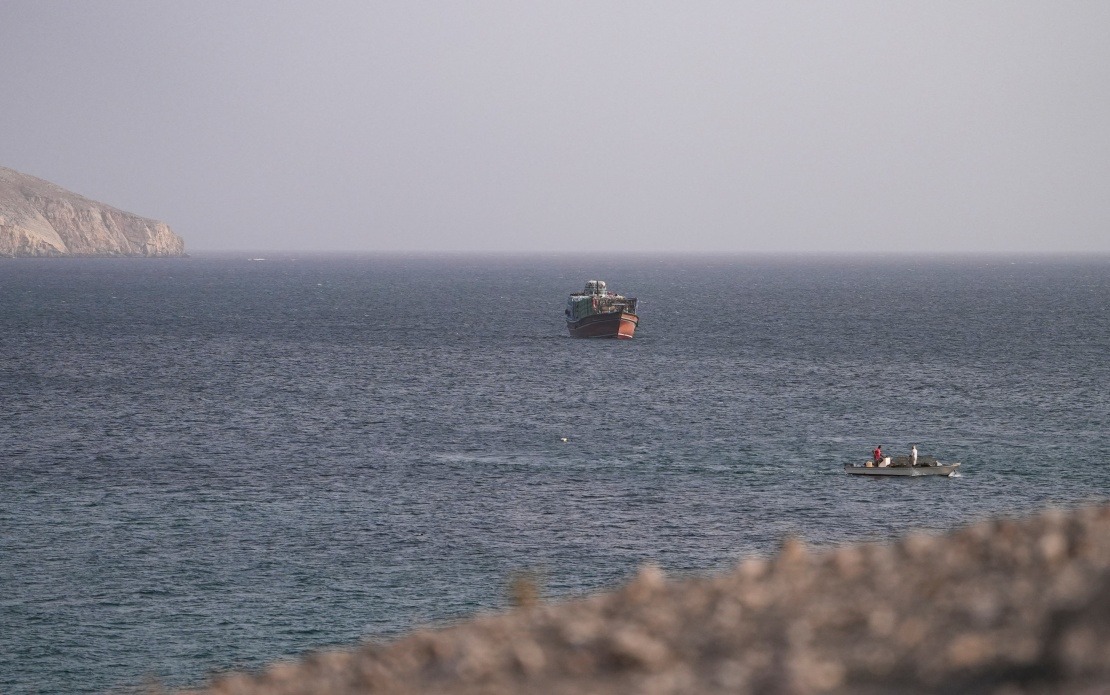
The prospect of a reworked shipping framework through one of the world's most strategically vital waterways moved closer to reality this week, with Iranian officials indicating that Tehran and Muscat have nearly concluded negotiations on fresh protocols governing vessel movements through the Strait of Hormuz. Kazem Gharibabadi, Iran's Deputy Foreign Minister for Legal and International Affairs, disclosed that the bilateral understanding between the two countries is reaching its concluding stages, though details remain closely held as regional tensions simmer beneath diplomatic efforts.
The significance of an accord on Strait passage cannot be overstated for global commerce and shipping markets. Roughly one-third of the world's seaborne crude oil transits this narrow chokepoint between Iran and Oman, making it arguably the planet's most critical maritime corridor. Any disruption to traffic flow there reverberates across energy prices worldwide and touches supply chains from Singapore to Rotterdam. For Malaysia specifically, as a major trading nation dependent on stable energy supplies and predictable shipping costs, developments affecting Hormuz operations carry immediate economic weight.
Gharibabadi took pains to characterise the emerging arrangement not as a complete reopening of the waterway, but rather as an innovative framework departing dramatically from patterns established over the preceding six decades. Under this new model, he explained, a substantial portion of commercial shipping traffic would traverse Iranian territorial waters—a shift that fundamentally alters the geopolitical and jurisdictional landscape governing passage through the strait. This represents Tehran's assertion of greater control and presence in waters it claims as its own, leveraging geography and international law to reshape maritime commerce patterns.
The question of whether Iran would levy transit fees on passing vessels remains unresolved and contingent on multiple variables. Gharibabadi indicated that any decision to impose such charges would rest with Iran's supreme decision-making authorities and would be calibrated partly in response to American diplomatic conduct. This framing suggests Tehran views potential fee collection as a bargaining chip or leverage point within broader negotiations with Washington, rather than a straightforward revenue-generation mechanism. The conditional language reflects ongoing strategic calculations in Tehran's foreign policy apparatus.
Parallel to the Iranian-Omani talks, there are indications that separate negotiations between Tehran and Washington may yield results within days. Gharibabadi stated that Iran had received communications suggesting the United States was willing to "return to its commitments," though he declined to elaborate on which specific obligations or through what channels these messages travelled. This opaque formulation hints at complex back-channel diplomacy potentially involving intermediaries, likely including Gulf states or other regional players capable of facilitating dialogue between the two governments.
Oman's role in these negotiations deserves particular attention, as Muscat has long positioned itself as a neutral player and bridge-builder in a region fractured by deep rivalries. The sultanate maintains pragmatic relationships with both Iran and the United States, making it an ideal venue and facilitator for discussions that Washington and Tehran cannot conduct directly given their formal diplomatic rupture. Oman's geographic position straddling the Strait of Hormuz also makes it an indispensable partner in any arrangement affecting maritime traffic through these waters.
The implications for Southeast Asian nations like Malaysia extend beyond immediate shipping costs. A new Strait of Hormuz framework could either stabilize regional maritime security or, if perceived as favoring Iranian interests excessively, provoke countermeasures from other regional and international actors. The United States and its allies maintain significant naval forces in the Arabian Gulf and are deeply invested in maintaining freedom of navigation principles. Any arrangement that appears to grant Iran unilateral control or excessive jurisdictional reach could trigger tensions that reverberate through global maritime insurance, shipping rates, and energy markets affecting everyone dependent on Gulf oil and gas.
The timing of these discussions also matters significantly. They occur amid broader regional realignments following Iran's rapprochement with Saudi Arabia brokered by China, and concurrent with evolving US strategic priorities in the Middle East. A successful accommodation on Strait procedures could reduce one flashpoint in an otherwise volatile region, potentially creating space for other diplomatic breakthroughs. Conversely, failure to reach agreement could invite renewed tensions and the kind of shipping disruptions seen during previous confrontational periods.
For Malaysian policymakers and business leaders, the unfolding situation warrants close monitoring. Malaysia's energy security, import-export competitiveness, and shipping industry exposure all depend significantly on Hormuz stability. The country should carefully track whether the emerging Iranian-Omani arrangement proves sustainable, whether international maritime norms are respected under any new framework, and whether fee structures or access restrictions could disproportionately burden Southeast Asian shipping. Engagement with ASEAN partners on potential collective responses to any adverse developments would also merit consideration, ensuring that regional voices are heard in deliberations affecting this vital global commons.

