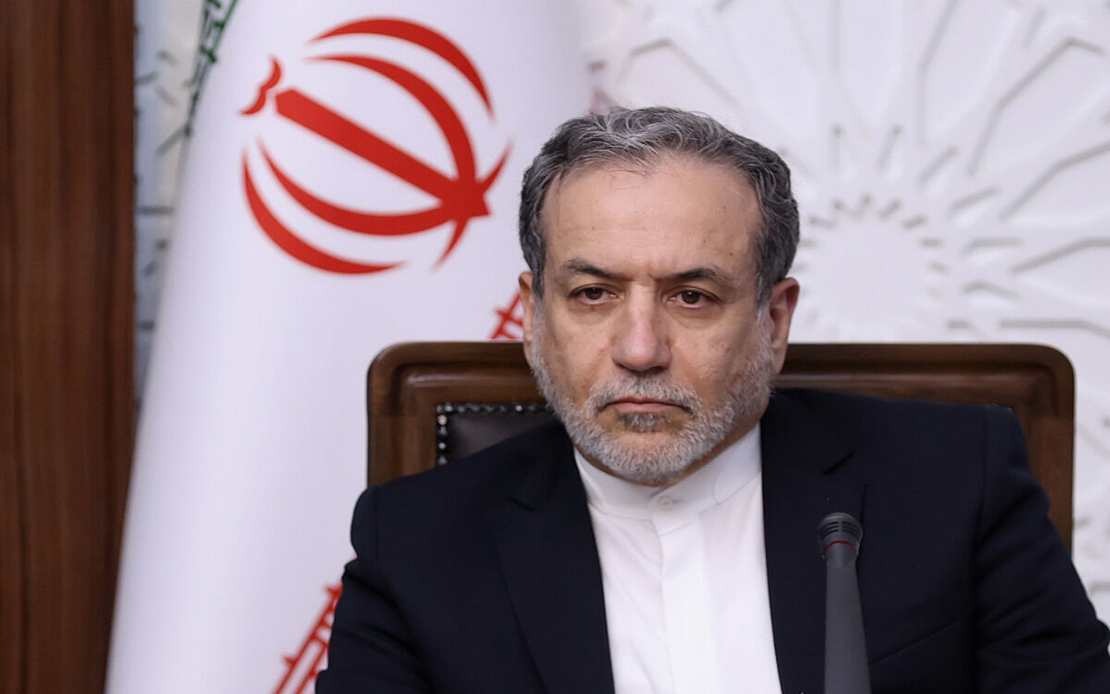
Regional powers are intensifying diplomatic outreach to defuse escalating tensions in the Middle East, with Iranian Foreign Minister Abbas Araghchi conducting high-level phone conversations on Tuesday with Pakistan's Army Chief Field Marshal Asim Munir and Qatari Foreign Minister Mohammed bin Abdulrahman Al Thani. The back-to-back discussions underscore a shared commitment among key players to pursue negotiated solutions rather than military confrontation, even as the broader regional situation remains volatile and unpredictable.
During his exchange with Pakistan's military chief, Araghchi and Munir reaffirmed their mutual interest in sustaining regular consultations and coordinating joint initiatives to strengthen peace and stability across the region. The conversation reflects Pakistan's strategic position as a neighbouring country with vested interests in preventing further military escalation between Iran and Western powers, particularly given Islamabad's existing security challenges along its own borders and its balancing act between various international stakeholders.
The call between Araghchi and Qatar's Foreign Minister covered similar ground, with both officials emphasising the critical importance of maintaining open diplomatic channels and ensuring coordinated action to prevent the situation from deteriorating further. Qatar, as a small but influential Gulf state with long-standing mediation experience, has positioned itself as a neutral broker in regional disputes. The Doha government underscored its unwavering commitment to supporting diplomatic initiatives and peace-building efforts that could lead to a sustainable regional settlement guaranteeing safe maritime passage and creating conditions for broader comprehensive agreements.
Central to these discussions is the ongoing situation in the Strait of Hormuz, one of the world's most strategically vital waterways through which approximately one-third of global maritime trade passes. On the same day as Araghchi's calls, Oman and Iran jointly announced a framework designed to establish a temporary shipping corridor through the strait and coordinate mine-clearing operations in the waterway. The announcement emerged from a meeting in Tehran between Omani Foreign Minister Badr Albusaidi and Araghchi, with both nations seeking to address navigation hazards and restore confidence in maritime commerce.
The Omani-Iranian initiative carries significant implications for global shipping and regional security. A functioning joint shipping corridor would theoretically ease concerns among international shipping companies about accessing key Middle Eastern markets and energy supplies. For Southeast Asian nations including Malaysia, which depend heavily on Middle Eastern oil and gas imports and maintain substantial maritime trade through Asian waters, any stabilisation of the Strait of Hormuz translates directly into more predictable energy costs and reduced shipping insurance premiums.
However, the proposed framework immediately encountered resistance from Washington. US President Donald Trump announced on Tuesday that the American Navy had eliminated or detonated all mines in the strait's international waters, effectively dismissing Iranian and Omani concerns about navigation hazards. The American position reflects a fundamental disagreement over the Strait's status and management. Washington insists it must remain an open international waterway free from any formal Iranian role in traffic management, and the United States opposes any arrangement that would grant Tehran official authority over shipping arrangements or permit the collection of fees from passing vessels.
Instead, the Trump administration favours routing maritime traffic through alternate southern passages closer to Omani territory while simultaneously maintaining its comprehensive economic embargo against Iran and continuing to blockade Iranian ports. This approach seeks to prevent Iran from exercising influence over one of the world's most critical chokepoints while cutting off Tehran's ability to generate revenue from its oil exports, effectively using geography and commerce as leverage in broader geopolitical competition.
The current diplomatic efforts must be understood against a backdrop of sharply escalated military confrontations over recent months. In late February, the United States and Israel conducted a coordinated surprise military strike on Iranian territory, prompting Tehran to launch retaliatory attacks against both Israeli and American military installations distributed across multiple Arab states aligned with Washington. These tit-for-tat strikes significantly raised the risk of wider regional warfare and alarmed international observers concerned about potential disruptions to global commerce and energy supplies.
Relatively recent mediation efforts by Pakistan and Qatar resulted in a tentative agreement in mid-June, formalised through a memorandum of understanding between Washington and Tehran. That deal, however, failed to move beyond its initial signing stage, with implementation stalling amid fundamental disagreements specifically centred on Strait of Hormuz governance and management protocols. The inability to translate the agreement into concrete confidence-building measures highlighted how deeply divided the parties remain on core security issues.
Last month, the pattern of military escalation resumed when the United States launched renewed attacks targeting Iranian interests, with Tehran once again responding by striking American military assets in allied Arab states. These cycles of retaliation, though currently limited in scope, demonstrate how fragile the security situation remains and how quickly diplomatic breakthroughs can collapse when underlying disputes remain unresolved. Each round of violence deepens suspicions and makes subsequent negotiations more difficult, as both sides become more entrenched in defensive postures.
The role of intermediaries like Pakistan and Qatar has become increasingly important precisely because direct channels between Washington and Tehran remain ineffective or non-existent. Both countries bring credibility as countries with relationships across the regional and international divides. Pakistan's position as a Muslim-majority nation with deep ties to the Middle East combined with its strategic partnership with the United States gives it unique standing to convey messages both directions. Qatar, meanwhile, has hosted American military installations and maintains cordial relations with Iran, making it another valuable neutral space for preliminary discussions.
For Malaysia and other Southeast Asian economies, the outcome of these de-escalation efforts carries practical weight. Disruptions to shipping through the Strait of Hormuz would immediately affect regional energy security, increase transportation costs for goods moving between Asia and Europe, and potentially disrupt electronics supply chains that depend on Middle Eastern petrochemicals. Additionally, any broader regional conflict could draw in international powers in ways that affect Asian security architecture, requiring countries across the region to navigate increasingly complex diplomatic terrain.
The current round of talks therefore represents more than just bilateral or even regional diplomacy—it reflects recognition by key players that military solutions offer no path to sustainable regional arrangements. Yet the fundamental disagreements between Washington and Tehran regarding maritime governance, sanctions, and strategic influence ensure that quick breakthroughs remain unlikely. The focus for now centres on preventing further military escalation while maintaining space for continued diplomatic engagement, however tentative and uncertain that engagement may be.

