The Iranian government has flatly rejected an overture from US President Donald Trump to resume negotiations without a binding ceasefire agreement in place, instead laying out a series of stringent preconditions that must be satisfied before any meaningful dialogue can proceed. Tehran's position signals a hardening stance in ongoing tensions between the two nations, with Iranian authorities demanding that Washington implement what they describe as previously agreed-upon understandings concerning maritime transit through the Strait of Hormuz and the restoration of Iran's international oil sales capacity.
Trump's negotiating posture has been characteristically volatile, combining a stated willingness to engage with Iran while simultaneously issuing inflammatory threats that underscore the fragility of current arrangements. In a Friday evening social media post, the US president warned that Iran would face a devastating military response consisting of "1000 Missiles" should the Islamic Republic act on alleged assassination threats against him. These threats appear to stem from rhetoric voiced at the funeral ceremony of Ayatollah Ali Khamenei, the Supreme Leader who was killed in a late February strike attributed to US and Israeli military action.
The assassination plot allegation reportedly came to Trump's attention through Israeli intelligence channels, further complicating the diplomatic landscape given the deep involvement of both Washington and Tel Aviv in military operations against Iran. Trump specifically framed the threat in personal terms, suggesting that any Iranian action would be treated as a direct attack on his person rather than as a broader geopolitical matter. This personalization of state-to-state relations has become characteristic of the Trump administration's approach to foreign policy, potentially making any future agreement more dependent on individual relationships and less stable as institutional policy.
Iranian media outlets, including the semi-official Fars news agency, reported on Saturday that Tehran's governing authorities have demanded that the United States implement previously negotiated understandings as a prerequisite to any future talks. The vague reference to "agreed-upon understandings" suggests there may have been informal agreements or understandings reached during earlier phases of contact, though neither side has publicly disclosed the specifics of what these entail. This opacity creates additional complications for any negotiating process, as both parties appear to be operating from different interpretations of what has actually been settled.
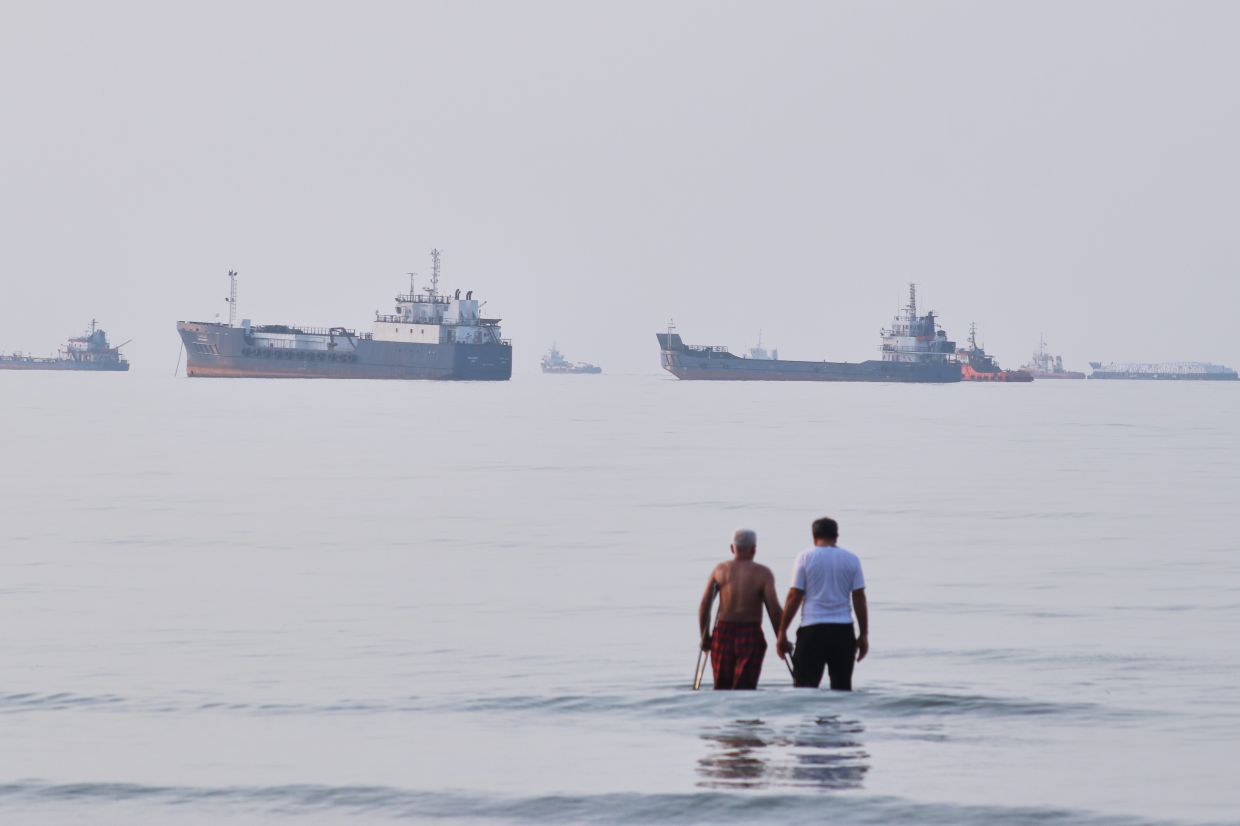
Parallel to these rhetorical exchanges, senior Trump administration officials made explicit demands of Iran regarding the Strait of Hormuz, one of the world's most critical maritime chokepoints through which approximately one-third of global seaborne oil trade passes daily. American officials insisted, speaking on condition of anonymity, that Tehran must make a public declaration confirming that all channels through the Strait remain open to international shipping and commit to refraining from attacks on civilian vessels using these waters. The officials warned that failure to provide such assurances would result in unspecified consequences for Iran, a veiled threat suggesting further military action or economic sanctions.
These developments represent a significant escalation in what had been portrayed as a fledgling ceasefire agreement reached in mid-June. Trump himself declared that arrangement defunct on Friday, effectively signaling that the informal truce between the two adversaries has collapsed. The cascade of events this week has included multiple rounds of US airstrikes against Iranian targets followed by Iranian retaliatory strikes against American military installations stationed across the Middle Eastern region. These tit-for-tat exchanges have rattled global energy markets, pushing crude oil prices substantially higher as traders contend with the possibility of further disruptions to shipping in the Strait of Hormuz.
The situation has deteriorated further owing to recent decisions by the US Treasury Department to revoke waivers that had previously permitted Iran to conduct global oil sales, a reversal that strikes at the heart of Tehran's economic interests and survival as a functioning state. The combination of military pressure and economic strangulation represents, in Iranian eyes, an escalation that renders the June ceasefire moot and eliminates any diplomatic foundation upon which new talks might rest. Iran has responded to US strikes in the Strait of Hormuz and elsewhere by launching its own counterattacks, creating a cycle of action and reaction that threatens to spiral beyond control.
Despite this deteriorating backdrop, US officials have indicated that they expect technical and expert-level discussions with Iranian counterparts to continue operating at the working level, suggesting that complete diplomatic breakdown has not yet occurred. This compartmentalization of military operations and diplomatic channels is a recognized pattern in US-Iran relations, wherein combat can proceed simultaneously with negotiations. Iranian Foreign Minister Abbas Araghchi traveled to Oman on Saturday to engage in discussions concerning the future status and governance of the Strait of Hormuz, an indication that Tehran has not entirely closed the door to engagement despite its harsh rhetoric.
The broader context for these negotiations involves the recent death of Ayatollah Khamenei and the assumption of power by his son, Mojtaba Khamenei, whose capacity to govern and negotiate remains uncertain. Mojtaba has made no public appearances since his succession, having allegedly sustained injuries in the same February 28 airstrikes that killed his father and precipitated the current conflict. His complete absence from public view has raised serious questions about his health, his authority over Iran's decision-making apparatus, and whether he possesses the political capital necessary to negotiate any agreement with the United States.
On Saturday, the new Supreme Leader issued a statement via social media platforms calling for vengeance against those responsible for his father's death, a rhetorical move that appears intended to shore up his legitimacy among Iran's hardline constituencies. This invocation of revenge culture runs counter to any negotiating posture and suggests that Mojtaba's immediate priority involves consolidating domestic political support rather than pursuing a settlement with Washington. The tension between seeking revenge and engaging in pragmatic negotiation with a vastly more powerful adversary reveals the contradictions inherent in his position as a newly installed leader lacking proven administrative experience or visibility.
The standoff over the Strait of Hormuz and Iran's oil exports reflects deeper structural asymmetries in US-Iran relations that no short-term diplomatic arrangement can likely resolve. Iran's economy depends overwhelmingly on petroleum exports, rendering it vulnerable to American pressure through chokepoint control and sanctions regimes. The Trump administration appears determined to leverage these vulnerabilities to extract maximum concessions while simultaneously maintaining a rhetorical posture suggesting willingness to negotiate, a combination that gives Tehran little reason to believe any agreement would prove durable or beneficial to its national interests.

