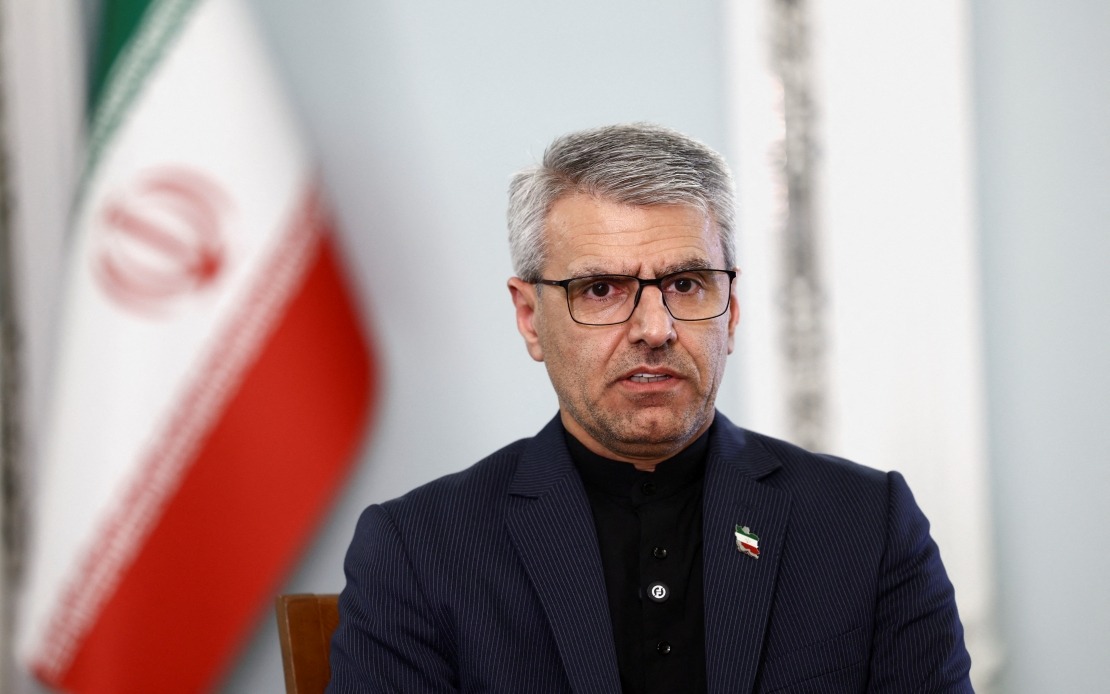
Iran claimed a diplomatic breakthrough on Monday after intensive talks in Switzerland, signalling that both sides have made headway toward establishing a comprehensive agreement with the United States. According to Foreign Ministry spokesman Esmaeil Baghaei, the four-party discussions held in Burgenstock resulted in agreements on fundamental procedural matters that would create the foundation for formal negotiations toward a final deal. The Iranian official stressed that these were not merely cosmetic gestures but substantive measures designed to move the stalled diplomatic process forward, whilst cautioning that tangible implementation would demonstrate Washington's genuine commitment to the process.
The establishment of what negotiators termed a "deconfliction cell" represents one of the more concrete outcomes from the meetings. This monitoring mechanism, to be staffed by mediators from Qatar and Pakistan, would be tasked with overseeing adherence to ceasefire agreements and preventing escalation of hostilities, with particular focus on the volatile situation in Lebanon where proxy conflicts have threatened regional stability. Such institutional arrangements are typically introduced when parties wish to create safeguards against miscalculation or unilateral actions that could derail fragile diplomatic progress. The mechanism's success would largely depend on the credibility and neutrality of the mediating states and their ability to secure compliance from all parties involved.
For Malaysian observers, the economic dimensions of these talks carry particular significance. Baghaei indicated that substantive progress had been achieved regarding mechanisms for licensing Iranian oil sales and the release of Iran's frozen or restricted assets held primarily in foreign banks. These issues directly impact global oil markets and shipping routes that are vital to Southeast Asian economies. Malaysia, as a trading nation dependent on stable energy supplies and uninterrupted maritime commerce, has a vested interest in resolving the financial dimensions of Iran's international isolation, which have contributed to supply constraints and elevated energy costs across the region.
The agreement to establish a dedicated mechanism for ensuring maritime security in the Strait of Hormuz addresses one of the most critical chokepoints in global commerce. Through this waterway transits roughly one-third of the world's seaborne oil trade, making its stability essential for economies throughout East and Southeast Asia. The new mechanism would theoretically reduce the risk of unintended confrontations between naval forces and ensure the safe passage of commercial vessels, thereby bolstering confidence in the shipping corridors that sustain regional prosperity. Previous tensions in the strait have caused insurance premiums for transiting vessels to spike, effectively imposing a hidden tax on global trade.
The talks also underscored the broader importance of multilateral mediation in resolving protracted conflicts. Qatar and Pakistan's role as mediators reflects how middle-power diplomacy continues to shape outcomes on major geopolitical disputes where direct bilateral engagement has repeatedly stalled. Both nations possess longstanding relationships with various stakeholders and have invested diplomatic capital in maintaining channels of communication when formal negotiations have broken down. Their joint announcement of a sixty-day roadmap toward a final peace agreement suggests a structured timeline has emerged from these preliminary discussions.
However, significant obstacles remain before any final agreement materialises. The Iranian statement's emphasis on hoping to witness "seriousness from the other side" implies lingering scepticism about American commitment, reflecting years of failed negotiations and unilateral withdrawals from previous agreements. Technical teams are to continue working on the detailed issues that were merely outlined during these higher-level discussions, suggesting the actual work of resolving contentious specifics lies ahead. Disagreements over verification protocols, sanctions relief sequencing, and nuclear programme limitations have historically proven to be the most intractable elements of such negotiations.
The timing of these developments carries additional significance given the broader regional context. Lebanon's ongoing instability, combined with persistent tensions across the Middle East, means that any agreement reducing the risk of US-Iran confrontation could have stabilising spillover effects throughout a region where proxy conflicts have become endemic. Southeast Asia, whilst geographically distant, remains connected to these developments through energy markets, shipping routes, and the broader international security architecture that underpins global commerce.
The technical working groups now tasked with continuing negotiations face the challenge of translating the agreed political principles into concrete operational procedures. Issues such as the composition and decision-making authority of the deconfliction cell, the mechanisms for verifying compliance with asset releases, and the protocols governing maritime security patrols all require detailed specification. Previous diplomatic efforts have foundered on precisely these sorts of implementation details, even when broad political agreement existed.
For Malaysia and other Southeast Asian nations, the successful conclusion of these negotiations would offer multiple benefits. Stable energy supplies at predictable prices support manufacturing competitiveness and industrial development. Secure shipping lanes and lower insurance costs reduce trade friction. A reduction in regional instability decreases the likelihood of military escalation that could draw in external powers with interests in Asian waters. These practical considerations explain why Southeast Asian governments, whilst publicly maintaining neutrality in US-Iran disputes, have a genuine stake in diplomatic resolution.
The path forward depends largely on whether the momentum established in Switzerland can be sustained through the technical negotiation phase. Both sides will need to demonstrate flexibility on outstanding issues whilst maintaining their core negotiating positions. The sixty-day timeline announced by mediators is ambitious given the complexity of the issues involved, though deadlines can sometimes focus minds and accelerate decision-making in diplomatic processes. The next phase will reveal whether these preliminary agreements represent genuine breakthroughs or merely cosmetic progress designed to maintain the appearance of progress without substantive movement.