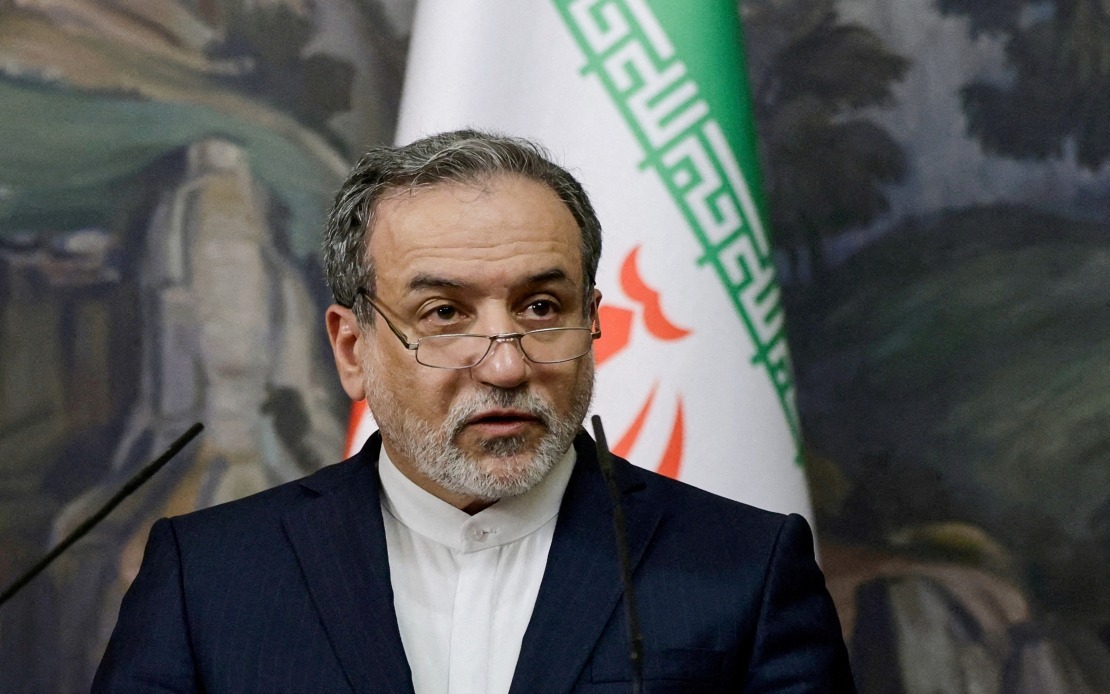
Iran has not reached any decision about resuming indirect negotiations with the United States, according to Foreign Minister Abbas Araghchi, who sought to clarify the distinction between diplomatic messaging through mediators and actual engagement on substantive issues. Speaking in Istanbul on August 15, Araghchi emphasised that the maintenance of communication channels through third parties should not be misinterpreted as a step toward restarting formal talks, warning observers against reading too much significance into preliminary exchanges.
The clarification comes amid ongoing tensions surrounding the Islamabad memorandum, a framework agreement brokered by Pakistan in June that aimed to establish terms for resolving longstanding disputes between Tehran and Washington. Araghchi rejected characterisations suggesting that a 60-day window outlined in the memorandum functioned as a ceasefire requiring renewal. Instead, he contended that the agreement fundamentally addressed the termination of conflict rather than merely suspending hostilities, a distinction with substantial implications for how the accord should be interpreted and implemented.
According to the Iranian foreign minister, the United States breached the terms of the Islamabad memorandum, which precipitated the resumption of military operations. This alleged violation, in Tehran's view, negates any obligation to extend or renew a ceasefire arrangement, since no formal ceasefire ever existed under the agreement's original provisions. The 60-day period referenced in the memorandum was explicitly conceived as a negotiating window during which both sides could pursue a comprehensive settlement, not as a predetermined duration for which hostilities would be suspended.
Currently, both Qatar and Pakistan maintain active communication with Iranian officials, serving as intermediaries who relay messages between Tehran and Washington. However, Araghchi stressed that this continued diplomatic contact should not be conflated with the resumption of formal negotiations. The distinction is crucial because it allows Iran to preserve the option of engaging while avoiding the political commitment that would be signalled by formally announcing a return to talks. This nuanced position reflects Tehran's effort to maintain diplomatic flexibility while managing domestic and regional expectations about potential reconciliation with the United States.
Parallel to the question of US engagement, Iran is pursuing separate technical negotiations with Oman that focus specifically on maritime infrastructure improvements through the Strait of Hormuz. These discussions centre on establishing new shipping corridors to replace existing routes deemed unsuitable for contemporary maritime operations. The negotiations involve technical experts from both nations as well as representatives from Iran's armed forces, suggesting a comprehensive approach to redesigning maritime access in one of the world's most strategically significant waterways.
The shipping lane discussions represent a pragmatic effort to address operational challenges while sidestepping the broader political question of whether and when the Strait of Hormuz itself might be formally reopened for international traffic. Araghchi characterised the effort as designing provisional routes that could eventually become permanent infrastructure, acknowledging that the technical work is progressing and may conclude relatively soon. This initiative carries particular relevance for Malaysia and other Southeast Asian maritime nations that depend on reliable passage through the Strait of Hormuz for regional and global trade connectivity.
Crucially, Araghchi distinguished between the technical shipping negotiations and the separate political question of whether the strait will be reopened. He indicated that the actual reopening of the Strait of Hormuz remains contingent on the fulfilment of additional conditions that he characterised as American obligations under the framework agreement. This framing suggests that Iran views the shipping lane negotiations as preliminary infrastructure work that must be completed before the broader question of strait access can be resolved, creating a sequential approach to the underlying dispute.
The Iranian foreign minister's statements reflect a deliberate messaging strategy designed to signal both flexibility and resolve. By confirming that mediated exchanges continue while insisting that no formal negotiations are underway, Iran preserves its diplomatic options without appearing to capitulate to American pressure. Simultaneously, linking the reopening of the Strait of Hormuz to American compliance with unspecified conditions maintains leverage over a critical global chokepoint through which approximately one-third of seaborne traded oil transits daily.
For Malaysia and other Southeast Asian economies heavily dependent on energy imports and maritime trade, the unresolved status of US-Iran relations carries substantial implications. Uncertainty about the Strait of Hormuz's long-term accessibility affects shipping costs, insurance premiums, and overall supply chain stability across the region. The technical negotiations on new shipping routes, while framed as provisional measures, may become permanent features of regional maritime geography if the broader political conflict remains unresolved.
The emphasis on distinguishing between mediated communications and formal negotiations also reflects broader regional dynamics in which Pakistan and Qatar maintain significant influence as trusted interlocutors. Pakistan's role in brokering the original June agreement and its continued involvement in messaging suggests that Islamabad retains diplomatic weight in shaping Iran-US interactions, a factor with implications for South Asian security architecture and Pakistan's regional positioning.
Araghchi's statement that Iran's negotiations with Oman are entirely separate from discussions with the United States underscores Tehran's effort to pursue multiple diplomatic tracks simultaneously. This compartmentalisation allows Iran to advance specific objectives, such as maritime infrastructure improvements with Oman, without being constrained by the absence of progress in US relations. The approach demonstrates sophisticated diplomatic management of overlapping negotiations that touch on common geographic and economic interests.

