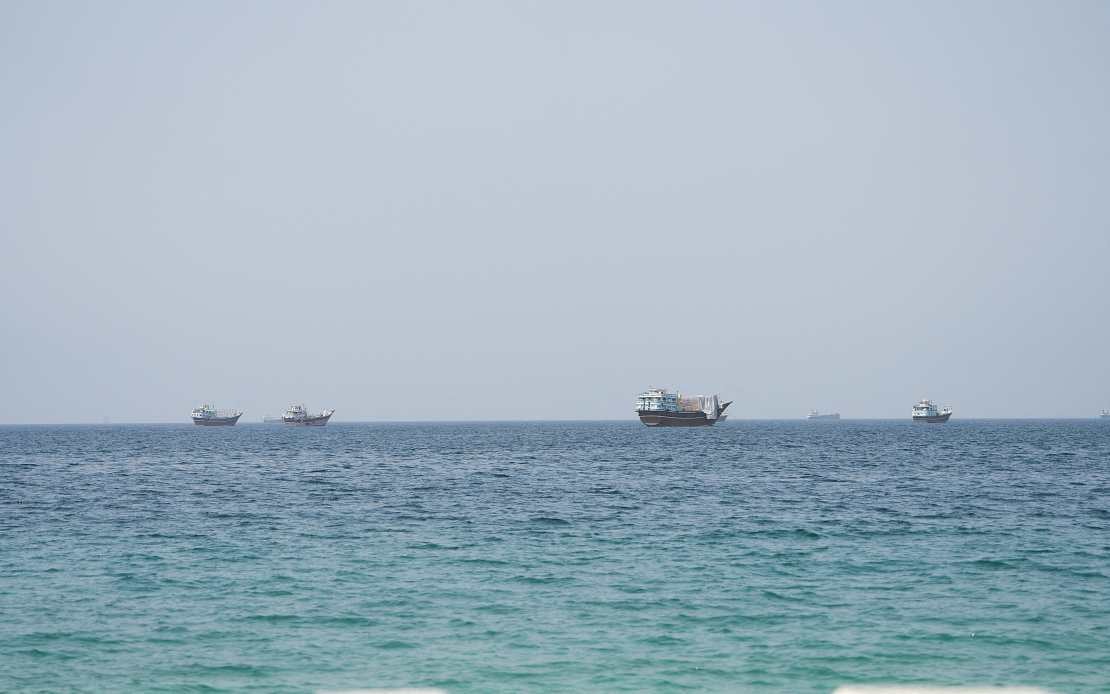
Negotiations between Iran and Oman regarding safe passage through the Strait of Hormuz are moving forward constructively, according to Iranian Foreign Ministry spokesman Esmaeil Baqaei, who briefed journalists on Monday. The discussions, which carry significant implications for regional maritime commerce and global energy supply chains, have reached agreement on shipping traffic mapping while technical details remain under discussion for inclusion in a joint statement. For Malaysian readers and the broader Southeast Asian shipping community, progress in securing stable transit through one of the world's most critical waterways holds direct relevance to trade flows and logistics costs.
Baqaei characterised the ongoing bilateral process as strictly technical in nature, emphasising that conversations centre on determining safe international shipping routes rather than addressing broader geopolitical tensions that have marked recent years. This framing represents a deliberate effort to insulate the maritime security discussions from the constellation of political disputes that have complicated Iran-US relations. The Iranian official underscored that the primary aim is achieving a durable understanding that guarantees comprehensive security within the strait—a formulation that acknowledges the legitimate concerns of all maritime users dependent on stable passage through the waterway.
Among the concrete mechanisms being developed through the Oman-mediated talks are frameworks designed to protect maritime traffic safety, safeguard the marine environment from operational hazards, and establish protocols to counter what Iranian officials describe as maritime crimes. The inclusion of environmental protection provisions reflects growing international recognition that high-traffic waterways require coordinated stewardship beyond simple security measures. Additionally, discussions have clarified that maritime service providers will levy appropriate costs and fees for facilitating vessel passage—a practical acknowledgment that sustainable operations require financial support structures.
The current negotiations with Oman build on a June memorandum of understanding signed by Iran and the United States, brokered through Pakistani and Qatari intermediaries. That agreement suspended active hostilities and initiated broader talks toward a comprehensive accord on maritime navigation rights and responsibilities. However, the implementation phase encountered difficulties when both capitals accused each other of non-compliance, halting the expected gradual restoration of commercial shipping activities through the strait. For Malaysian businesses dependent on Middle Eastern trade corridors, the delayed progress has created persistent uncertainty regarding shipping schedules and insurance costs.
Baqaei's assertion that the Strait of Hormuz will remain closed until Washington ends its naval blockade of Iranian ports reflects the hardened negotiating positions that continue to obstruct final resolution. This precondition underscores how maritime security discussions remain entangled with broader diplomatic standoffs, despite official claims of technical separation. The spokesman's statement suggests that resolution requires movement on multiple fronts simultaneously—not merely on shipping logistics but on the fundamental question of commercial access that sits at the heart of economic sanctions regimes.
The impasse in Hormuz negotiations has profound consequences for regional stability and global energy markets. Approximately one-third of seaborne oil passes through the strait, making disruptions acutely felt across Asia-Pacific economies including Malaysia. When transit remains uncertain, shipping companies increase insurance premiums and build contingency buffers into schedules, costs ultimately reflected in consumer prices. The diplomatic stalemate thus imposes real economic burdens on countries far removed from the immediate disputes.
Iran's engagement with Oman as mediator reflects Muscat's longstanding role as regional convenor and its diplomatic independence from both American and Iranian blocs. Oman has historically maintained cordial relations across the Gulf's factional divisions, positioning it uniquely to facilitate back-channel discussions when formal diplomatic channels remain closed. The choice to pursue these discussions through Omani channels rather than direct Iran-US talks suggests that both parties recognise the value of patient, confidence-building intermediation in addressing technical questions.
Baqaei also noted that Iran has not yet finalised decisions regarding the composition and diplomatic level of its delegation to the United Nations General Assembly session scheduled for September. This separate announcement carries implications for whether Tehran intends to pursue higher-level engagement with the international community or maintain a more restrained diplomatic profile during the coming months. The timing of such decisions often signals shifting strategic priorities and confidence levels in multilateral engagement.
For Southeast Asian observers, including Malaysian policymakers and commercial interests, the trajectory of these Hormuz negotiations warrants close monitoring. Regional economies have consistently advocated for freedom of navigation and stability in critical sea lanes, positions directly affected by the Iran-US impasse. Malaysia and regional partners maintain significant trade interests in both Iran and the broader Middle East, and the continued uncertainty surrounding Hormuz transit influences shipping route calculations, insurance arrangements, and supply chain resilience across numerous industries. The constructive characterisation offered by Iran's Foreign Ministry might signal genuine diplomatic progress, but implementation remains uncertain given the historical pattern of accusations and counter-accusations that have derailed previous arrangements.

