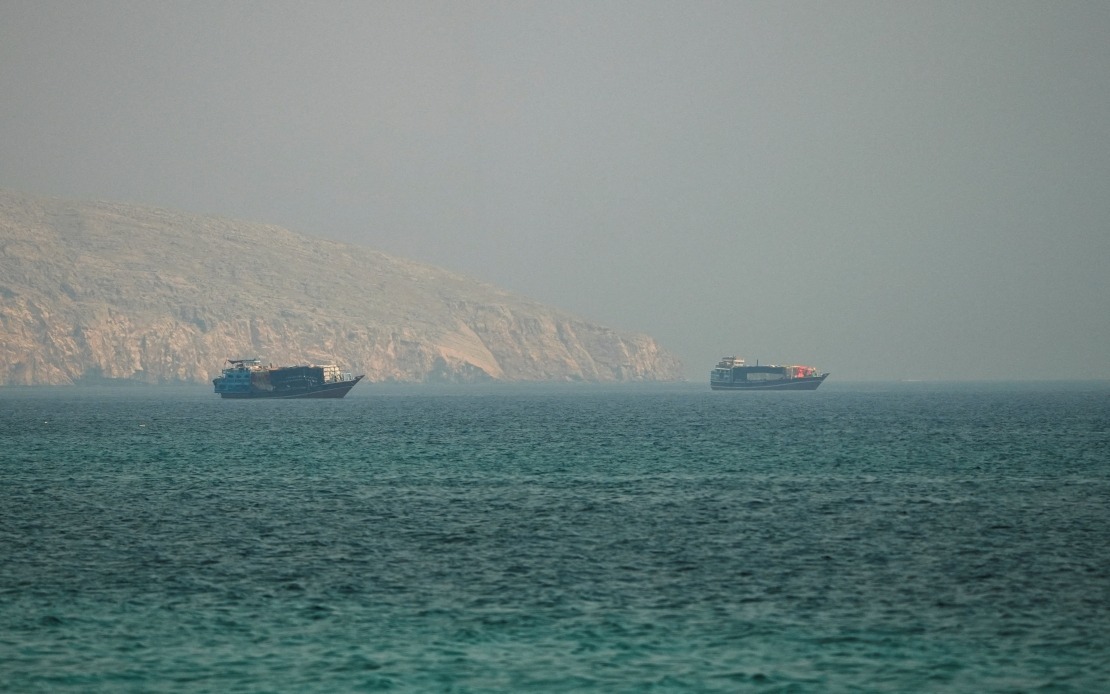
Mohammad Bagher Zolghadr, secretary of Iran's Supreme National Security Council, delivered a stark warning on Saturday that the United States' reimposed maritime blockade could escalate into the closure of the Strait of Hormuz and other critical waterways in the region. Speaking through Iran's state broadcaster IRIB, Zolghadr characterised the blockade as part of a pattern of American provocations that, if allowed to continue, would extend beyond restricting traffic through the strategically vital Strait to encompassing broader maritime chokepoints affecting international commerce.
The Trump administration announced the blockade's reinstatement on July 14 through the US military's Central Command, marking a significant hardening of its position toward Tehran. This move represents a considerable escalation in the already fraught relationship between Washington and Iran, which has deteriorated noticeably over recent weeks as military confrontations have intensified. The blockade follows a pattern of US military strikes targeting Iranian assets and personnel across the Middle East, prompting Iranian counter-strikes against American military installations and equipment in the region.
Zolghadr's warning carries particular weight given the economic ramifications he outlined. By invoking potential consequences for the global economy, energy markets, and American voters, the Iranian official appears to be signalling awareness of the political sensitivities surrounding energy prices and military conflict in the United States ahead of November's congressional elections. This rhetorical approach suggests Iran's leadership recognises that sustained disruptions to global energy supplies could become a domestic political liability for Washington, potentially influencing American public opinion during an election year.
The Strait of Hormuz represents one of the world's most critical maritime passages, serving as the gateway through which approximately one-third of global maritime oil trade transits annually. For Southeast Asian economies, particularly energy-importing nations like Malaysia, Thailand, and Vietnam, any significant disruption to Hormuz shipping would directly impact fuel costs, manufacturing expenses, and broader economic competitiveness. The region's heavy reliance on Middle Eastern oil supplies means that threats to this passage resonate far beyond the immediate Iran-US dispute.
Disputes between Iran and the United States over navigation rights through the Strait have formed a persistent flashpoint in their broader confrontation. Washington demands that Tehran cease attacks on commercial shipping vessels and guarantee unimpeded passage for international maritime traffic. By contrast, Tehran insists that any transit arrangements must operate under a framework controlled by Iranian authorities, reflecting its assertion of sovereignty over waters adjoining its coastline and its desire to exercise leverage over international commerce flowing through its maritime domain.
The ideological and practical dimensions of this disagreement underscore deeper tensions about regional hegemony and international law. Iran views external powers' insistence on freedom of navigation as encroachment on its territorial prerogatives and leverage over geopolitical calculations. The United States and its allies counter that Iran's historical pattern of harassing commercial vessels and threatening shipping lanes violates international maritime conventions and destabilises global trade.
Zolghadr's threat represents more than mere rhetorical positioning; it reflects genuine capacity and stated willingness to weaponise maritime control if diplomatic negotiations fail. Iran possesses sophisticated naval capabilities, including unmanned vessels, missile systems, and asymmetric warfare capacity that could genuinely impede or threaten shipping transiting the Strait. Previous instances of Iranian forces seizing commercial vessels and attacking tankers demonstrate that such threats carry credible enforcement mechanisms.
For Malaysian policymakers and businesses, the stakes extend beyond simple energy prices. Malaysia's position as a major trading hub with significant shipping volumes transiting Middle Eastern waters means that regional instability threatens both inbound and outbound commerce. Malaysian shipping companies, petrochemical importers, and manufacturers dependent on reliable energy supplies all face potential disruption costs should Iran follow through on closure threats.
The escalating US-Iran confrontation also forces Southeast Asian nations into uncomfortable positioning decisions. Malaysia, along with other ASEAN members, maintains complex relationships with both Washington and Tehran, balancing strategic partnerships with the United States against economic ties and historical anti-colonial solidarity with Iran. Any widening conflict that forces explicit alignment would strain this careful equilibrium.
The reinstatement of the maritime blockade must be understood within the context of broader US foreign policy recalibration under Trump. His administration has consistently pursued more confrontational approaches toward Iran compared to the Obama presidency, including withdrawal from the Joint Comprehensive Plan of Action nuclear agreement and reimposition of comprehensive sanctions. The blockade represents logical continuity with this hardline trajectory.
Iran's counter-threat of closure, whether implemented or merely brandished as negotiating leverage, introduces profound uncertainty into global energy markets and international commerce. Shipping insurance premiums for vessels transiting the region would likely surge, raising operational costs for traders already facing supply chain pressures. This cost inflation ultimately flows through to Southeast Asian consumers and manufacturers purchasing imported energy.
The situation underscores how regional conflicts in the Middle East generate systemic risks for the broader global economy, including Southeast Asia. Unlike Cold War confrontations between superpowers that remained largely contained within ideological competition, modern conflicts in energy-critical regions immediately transmit economic shocks across interconnected global supply chains. Malaysian policymakers must monitor this escalation closely while exploring diplomatic channels to encourage de-escalation.
Resolution of this impasse requires either negotiated settlement between Washington and Tehran or military intervention that neither side appears currently willing to initiate. Until concrete diplomatic progress emerges, threats and counter-threats will likely persist, creating persistent uncertainty that already elevated energy costs and complicates long-term investment planning across Southeast Asia.

