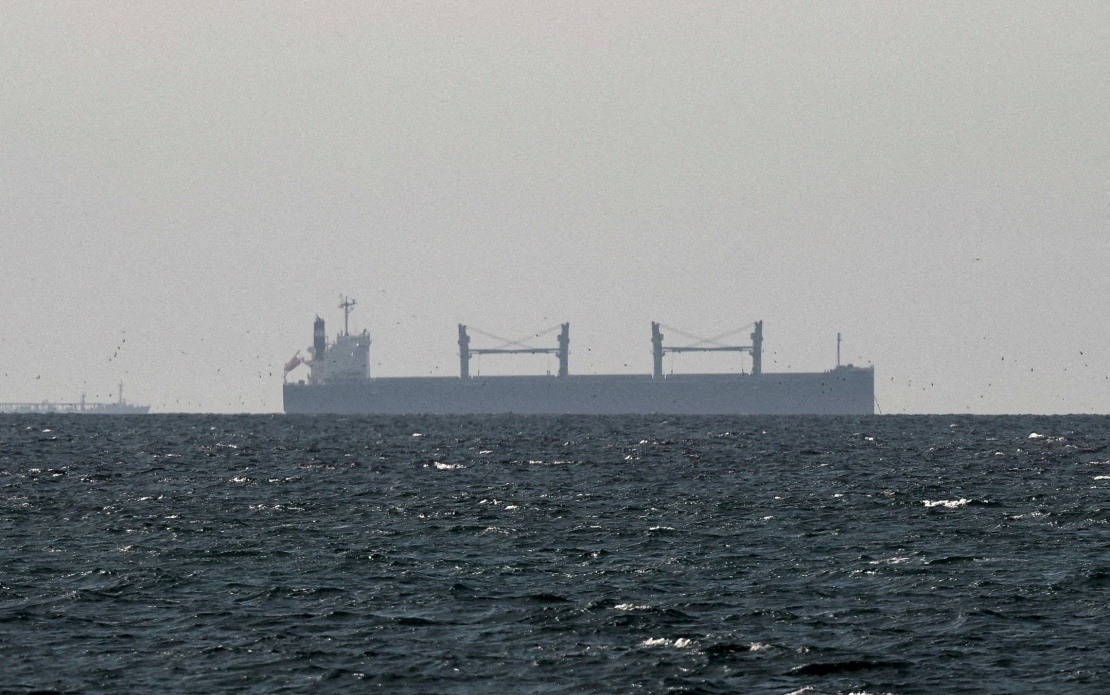
Iran's Islamic Revolutionary Guard Corps asserted on Friday that two oil tankers caught fire and exploded after striking mines while transiting the southern Strait of Hormuz, according to reports citing the Iranian military's official statement. The IRGC Navy, through Iran's Fars News Agency, alleged that US intelligence agencies had directed the vessels into the danger zone earlier that day, though the military provided no identification of the tankers, information about casualties, or details regarding their flags and ownership. International observers have not yet independently verified these claims, leaving considerable uncertainty about the incident's scope and severity.
The strategic importance of the Strait of Hormuz cannot be overstated for Malaysia and the broader Southeast Asian region. This waterway serves as the primary gateway connecting the Persian Gulf to the Gulf of Oman and the Arabian Sea, channelling a substantial portion of the world's oil and liquefied natural gas exports. For energy-dependent economies like Malaysia, which relies significantly on imported crude oil and liquefied natural gas, disruptions to this corridor carry immediate implications for fuel costs, industrial competitiveness, and economic stability. Any prolonged closure or significant hazard to shipping would ripple through regional supply chains and potentially drive up energy prices across Southeast Asia.
The IRGC's warning that the Strait of Hormuz remained "extremely unsafe" and "completely closed" represents a dramatic escalation in rhetoric and perceived threat. The Iranian military declared that oil, gas, and chemical fertiliser exports from the region would remain blocked until US military operations ceased, effectively attempting to leverage control over this vital passage as a bargaining chip in its dispute with Washington. Such declarations, whether implemented or not, create immediate uncertainty in global commodity markets and force shipping companies to reassess route planning and insurance requirements, with downstream costs eventually borne by consumers in countries dependent on Middle Eastern energy supplies.
The IRGC's directive warning commercial vessels away from the area underscores the genuine hazards mariners now face in these waters. By explicitly cautioning against transit and citing risks of both material damage and loss of life, the Iranian military has effectively declared the passage too dangerous for ordinary commercial shipping. This creates a humanitarian dimension to the crisis, as any actual closure would not merely affect oil prices or corporate profits but could endanger the lives of sailors navigating one of the world's busiest maritime corridors. For Malaysian shipping companies with vessels operating in the region, this warning necessitates immediate operational reviews and contingency planning.
The broader context reveals simmering US-Iran tensions that have repeatedly threatened regional stability. Notably, the IRGC's statement emerged despite reports of a Pakistan-brokered memorandum of understanding signed the previous month intended to establish a ceasefire and facilitate lasting peace. The fact that major military actions and inflammatory claims continue even after such diplomatic efforts suggests that underlying hostilities remain deep and unresolved. This pattern of escalation following peace initiatives is particularly concerning for Southeast Asian nations seeking stable energy supplies and freedom of navigation in international waters.
The absence of independent confirmation of the IRGC's claims introduces additional complexity. Without corroborating evidence from shipping companies, international maritime organisations, or third-party observers, the actual occurrence and details of the alleged incident remain contested. This information vacuum creates space for misinterpretation, miscalculation, and reactive measures by other regional and global powers. For Malaysia's maritime authority and shipping industry, the inability to verify Iranian claims makes threat assessment extremely difficult, forcing conservative approaches that may unnecessarily disrupt commerce or conversely risk exposure if the danger proves genuine.
The geopolitical dimensions of this incident extend beyond immediate energy concerns. The Strait of Hormuz's role as a chokepoint for global energy supplies means that any power controlling or threatening passage through it wields significant international leverage. Iran's repeated warnings about mining and hazards can influence global oil prices, shipping insurance premiums, and investment decisions regardless of whether actual mines are deployed. This represents a form of economic coercion that affects nations far removed from the Middle East, including Malaysia, which must absorb these secondary costs even without direct involvement in US-Iran disputes.
For Malaysian policymakers and business leaders, this incident underscores the vulnerability of relying heavily on energy imports from regions experiencing political instability. The Strait of Hormuz disruption, whether real or merely threatened, exposes the fragility of global energy markets and highlights the strategic importance of diversifying supply sources and investing in alternative energy infrastructure. The incident should prompt Malaysia to accelerate renewable energy initiatives, strengthen relationships with diverse energy suppliers, and enhance maritime security cooperation with other Southeast Asian nations to protect shared commercial interests.
Looking forward, the trajectory of US-Iran tensions will significantly influence regional stability and Malaysia's economic interests. Continued escalation risked triggering direct military confrontation with unpredictable consequences for global shipping and energy markets. Conversely, genuine diplomatic breakthroughs could restore confidence in Strait of Hormuz safety and stabilise energy prices. Malaysia, as a significant maritime trading nation and energy importer, has a stake in encouraging de-escalation and supporting international efforts to maintain freedom of navigation through this critical waterway, regardless of underlying US-Iran differences.

