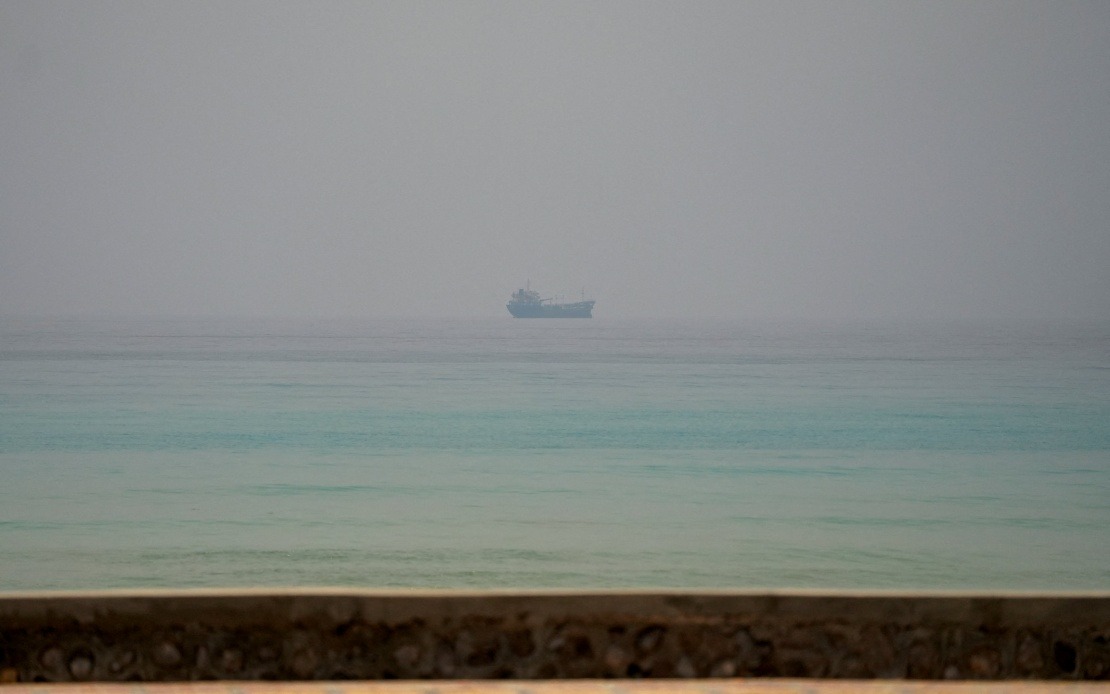
Iran's Parliament Speaker Mohammad Bagher Qalibaf has drawn a stark line in escalating tensions with Washington, asserting that control over the Strait of Hormuz—one of the world's most critical maritime chokepoints—rests solely with Tehran. Speaking on Thursday, Qalibaf rejected what he characterized as American bullying tactics, signalling that any military action against Iran would invite retaliation and that passage through the strategic waterway depends entirely on Iranian permission.
The inflammatory rhetoric from Iran's second-highest parliamentary official follows a fresh wave of US military strikes that targeted multiple locations across southern and southeastern Iran late Wednesday. American Central Command (CENTCOM) confirmed that the strikes were designed to further degrade Iran's operational capacity to pose threats to international shipping and freedom of navigation through the Strait of Hormuz, suggesting an ongoing campaign to constrain Iranian military capabilities.
Qalibaf's statements, posted on X (formerly Twitter), underscore the deepening cycle of tit-for-tat military escalation between Iran and the United States. In his message, the Parliament Speaker explicitly warned that decades of American coercive diplomacy and treaty violations would no longer go unanswered. His declaration that "bullying and breaking promises no longer come without cost" appears directed at US decisions to withdraw from the 2015 nuclear agreement and impose unprecedented economic sanctions on Iran.
The Strait of Hormuz represents far more than a symbolic prize in regional power politics. Roughly 21 percent of global petroleum consumption transits through this narrow waterway between Iran and Oman, making it essential to international energy security and global economic stability. Any sustained Iranian disruption of traffic through the strait would ripple across international markets, affecting everything from oil prices to shipping insurance premiums and ultimately impacting consumers worldwide, including Malaysia and other Southeast Asian economies dependent on Middle Eastern energy supplies.
For Malaysian and Southeast Asian policymakers and businesses, the implications are particularly acute. The region's rapid economic development has fuelled rising energy demand, and crude oil from the Persian Gulf remains critical to powering industrial growth and transportation networks. A prolonged confrontation in the Strait of Hormuz, or any escalation that forces international shipping to seek alternative routes or incur substantially higher insurance costs, would reverberate through supply chains and increase production costs across Southeast Asia.
Qalibaf's assertion of Iranian control reflects a longstanding Tehran strategy of leveraging geographic advantage in negotiations. Iran has repeatedly threatened to close the strait during past confrontations with the US, and while full closure remains technically challenging given international naval presence, any credible Iranian action targeting shipping could trigger immediate economic consequences. The Parliament Speaker's blunt language suggests Iranian leadership is prepared to escalate rhetoric and potentially military posturing if American strikes continue.
The current escalation appears rooted in competing security narratives. The United States frames its strikes as defensive measures necessary to preserve freedom of navigation and protect regional allies. Iran, conversely, views US military presence in the Persian Gulf and the Arabian Sea as inherent threats and justification for expanding its own naval capabilities and asymmetric warfare strategies. This fundamental disagreement about who threatens whom makes diplomatic off-ramps increasingly difficult to identify.
Qalibaf's role as Parliament Speaker gives considerable weight to his words domestically, as he commands respect within Iran's clerical establishment and conservative political base. His hardline tone suggests that Iranian decision-makers are committed to avoiding any appearance of weakness in response to American military pressure. This positioning makes it harder for pragmatists within the Iranian government to pursue negotiations or show flexibility without facing accusations of capitulation.
The international context adds further complexity. The Strait of Hormuz crisis occurs amid broader Middle Eastern instability, including the Yemen conflict, Israeli-Palestinian tensions, and proxy competition between Iran and US-allied Gulf states. Any miscalculation by either side could trigger a wider regional conflict with severe consequences for global security and economic stability. International observers, particularly those in trade-dependent nations like Malaysia and Singapore, are watching the situation with growing concern.
Historically, Iranian threats against the strait have proven more bark than bite, with Tehran ultimately backing down when faced with genuine international coalition pressure. However, escalating US military strikes without clear diplomatic channels create risks of unintended consequences or miscommunication that could push Iran toward actions it might otherwise avoid. The absence of direct high-level dialogue between Washington and Tehran amplifies these dangers.
Looking forward, de-escalation appears unlikely without significant policy shifts from either capital. The Biden administration's reinforcement of military capabilities in the region signals continued determination to pressure Iran, while Qalibaf's rhetoric demonstrates Iranian resolve to resist. Southeast Asian nations have limited direct influence over this dynamic but face genuine economic stakes in preventing further deterioration. Regional leaders and business communities are monitoring whether military escalation could eventually force them to choose sides or seek alternative energy sources and trade routes.
The Strait of Hormuz confrontation ultimately reflects deeper structural tensions in the post-2015 international system, where the US nuclear agreement collapse removed crucial constraints on Iranian behavior while simultaneously reducing American incentives for negotiated settlements. Without a framework restoring mutual confidence, both sides appear locked into cycles of escalation and counter-escalation, with ripple effects extending far beyond the Persian Gulf to affect Malaysia and the entire global economy.

