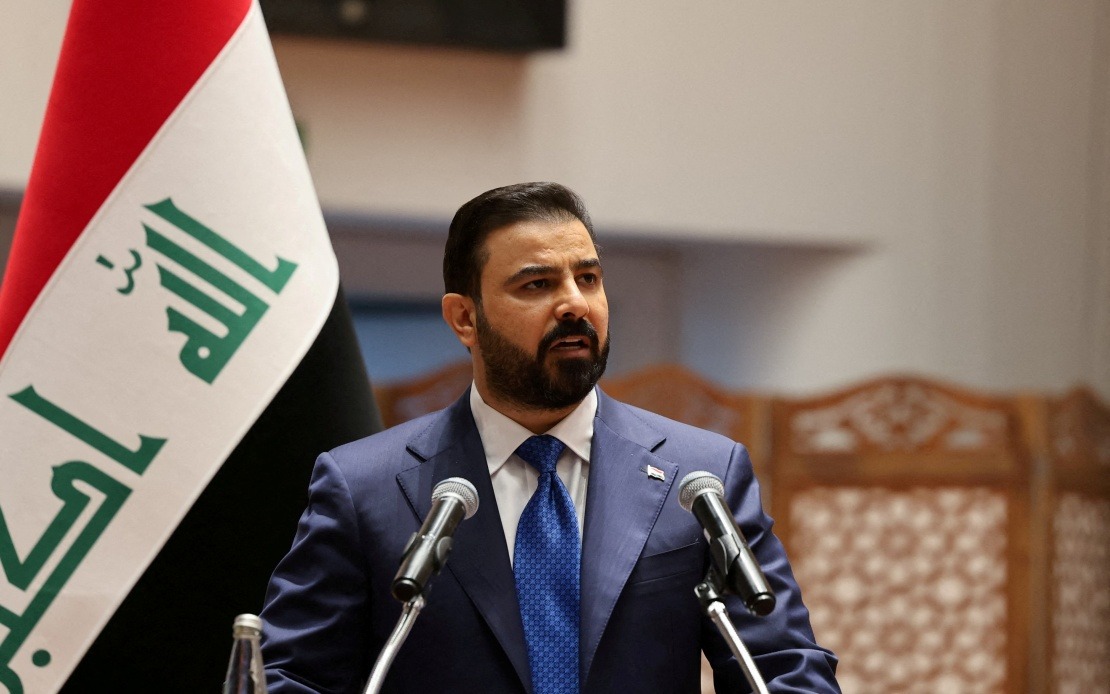
Iraq will maintain its membership in the Organization of the Petroleum Exporting Countries and is banking on securing a production quota that better reflects its national interests, Prime Minister Ali Al-Zaidi declared this week. Speaking to the Al-Hadath broadcaster, Al-Zaidi underscored Baghdad's resolve to stay engaged with the cartel while simultaneously advocating for allocation terms it considers more just. The statement signals Iraq's determination to work within OPEC's framework despite ongoing tensions over how the cartel distributes production rights among member states.
The Iraqi leader's remarks come as OPEC continues its periodic reviews of member quotas, a process that remains contentious within the organization. Earlier in June, the cartel announced adjustments to production allowances for several countries, reflecting reassessments of their extraction capacities and market conditions. These incremental changes underscore the delicate balance OPEC must maintain between rewarding capable producers and managing global crude supplies to defend prices against downward pressure.
In the June allocation round, Iraq received a modest production increase of 26,000 barrels per day, bringing its permitted ceiling to 4.405 million bpd. While this represented recognition of Baghdad's extraction potential, Iraqi officials have signalled that the country believes it merits greater consideration given its vast reserves and ongoing reconstruction of oil infrastructure. The nation holds the world's fifth-largest proven crude reserves, yet geopolitical disruptions and underinvestment have constrained its output relative to that potential.
Several other OPEC members also benefited from the June adjustments. Kuwait was authorized to raise production by 16,000 bpd to reach 2.66 million bpd, while Oman secured an increase of 5,000 bpd to 836,000 bpd. These allocations reflect OPEC's attempt to fine-tune member quotas as energy markets evolve and producers demonstrate capacity improvements. However, the disparity between Iraq's 26,000 bpd increase and allocations granted to smaller producers has fuelled Baghdad's concern that its quota does not adequately reflect its significance within the cartel.
The Iraqi Oil Ministry has been actively engaged with OPEC's technical assessment mechanisms to build the case for a more generous quota. In June, ministry spokesman Salim Al-Ruqabi disclosed that OPEC+ member states had initiated a comprehensive evaluation of Iraq's petroleum extraction capabilities to inform future quota decisions. This technical review process is intended to establish a more precise baseline of what Baghdad can realistically produce, which could justify higher allocations in subsequent rounds.
Iraq's position within OPEC carries particular strategic weight given the cartel's ongoing coordination with Russia through the OPEC+ framework, an alliance that significantly influences global oil markets. Baghdad has demonstrated commitment to production-limiting agreements intended to stabilize prices, yet it has also made clear that such cooperation must yield tangible benefits through fair quota assignments. This tension reflects a broader challenge facing OPEC: balancing collective market management with individual member aspirations.
The country's emphasis on remaining within OPEC rather than pursuing independent production strategies aligns with broader Middle Eastern geopolitical interests. Leaving the organization would isolate Iraq from the region's dominant energy coordination mechanism and potentially invite economic consequences from fellow cartel members. Moreover, OPEC membership provides Baghdad with a forum to influence global crude pricing, crucial given Iraq's dependence on oil revenues to finance national reconstruction and government operations.
Al-Zaidi's statement also carries implications for OPEC's internal dynamics as the organization navigates competing pressures from major producers seeking increased quotas and concerns about oversupply. Iraq's willingness to engage constructively while advocating for its interests suggests a pragmatic approach that differs from more confrontational member states. This measured stance may position Baghdad as a stabilizing voice within OPEC deliberations, particularly as the cartel faces questions about its relevance in an energy sector increasingly shaped by renewable transition and demand uncertainty.
The technical capacity assessment underway with OPEC+ provides an opportunity for Iraq to substantiate claims that it deserves quota expansion. Modernization of Iraqi oil fields, particularly in the southern regions where major international companies operate, has incrementally improved extraction rates. If independent technical reviews confirm Baghdad's arguments about underutilized production capacity, a stronger foundation exists for quota increases in coming rounds.
Looking forward, Iraq's commitment to OPEC combined with its push for fairer treatment reflects the delicate calculation required of cartel members. Withdrawal would sacrifice influence; passive acceptance would perpetuate what Baghdad views as inequitable allocation. By remaining engaged while clearly articulating expectations, Al-Zaidi is signalling that Iraq intends to shape its economic future within the OPEC system rather than against it, though with clear conditions attached to its ongoing cooperation.

