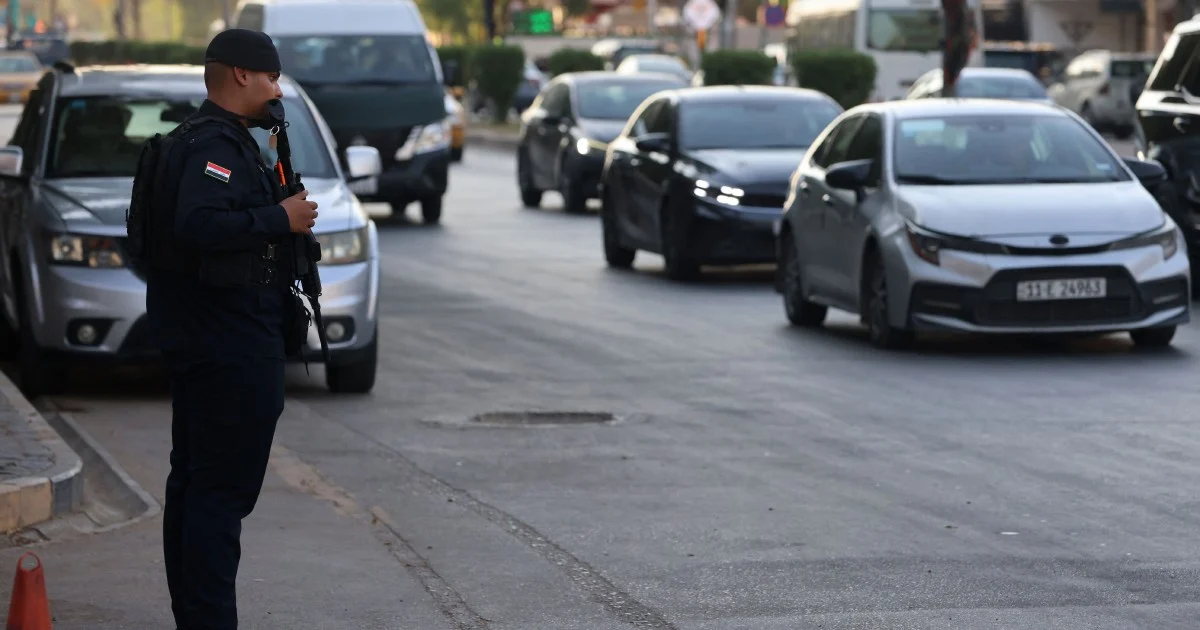
Iraqi authorities have taken the significant step of detaining 47 officials, among them sitting members of parliament, in what state media describes as part of a broader anti-corruption initiative targeting the deeply entrenched culture of graft that has long undermined institutional effectiveness across the country.
The arrests, which took place on Sunday, represent one of the more expansive operations against high-level corruption that Iraq has undertaken in recent years. The involvement of parliamentary figures in the detentions underscores the pervasiveness of corrupt practices that have penetrated even the legislative branch, traditionally viewed as a cornerstone of democratic governance. By moving against sitting MPs, Iraqi officials are signalling a willingness to challenge entrenched political actors rather than limiting enforcement to lower-level bureaucrats.
Corruption has remained one of Iraq's most persistent challenges since the reconstruction period following the 2003 invasion. International indices consistently rank the country as one of the most corrupt globally, with endemic graft affecting everything from public procurement and defence contracts to social service delivery and resource management. The financial toll has been staggering—estimates suggest billions of dollars have been lost to embezzlement, kickbacks, and fraudulent schemes across the government apparatus over the past two decades.
The anti-corruption campaign reflects mounting domestic pressure on Iraq's political leadership to demonstrate tangible progress in cleaning up the system. Iraqi civil society organisations and youth movements have repeatedly mobilised around anti-graft messaging, particularly during broader protests against poor governance. The government's responsiveness to these pressures, evidenced by these arrests, suggests an attempt to rebuild public confidence in institutions that have been severely damaged by decades of mismanagement and illegal appropriation of state resources.
For Southeast Asian observers, Iraq's experience offers instructive lessons about the structural challenges of combating corruption in post-conflict states. Many countries in the region face similar obstacles: weak judicial independence, political systems dominated by entrenched elites resistant to accountability, and institutional capacity constraints that hamper investigation and prosecution. Malaysia's own anti-corruption frameworks, including the Malaysian Anti-Corruption Commission's recent high-profile cases, operate within a more developed institutional context than Iraq possesses, yet both jurisdictions grapple with resistance from powerful political networks.
The arrest of parliamentary members carries particular significance because it suggests Iraq's anti-corruption machinery may be gaining sufficient autonomy and political backing to move against sitting legislators. In many developing nations, including some in Southeast Asia, such prosecutions remain extremely rare because legislators enjoy considerable immunity and political leverage. That Iraqi authorities are willing to detain MPs despite these obstacles hints at either a shift in the political balance of power or a genuine institutional commitment to reform that transcends typical factional interests.
However, the sustainability of such campaigns remains questionable. Previous anti-corruption drives in Iraq have sometimes become tools of political rivalry, with ruling coalitions selectively targeting opponents while protecting allies. International observers and local watchdog organisations will likely scrutinise whether the current detentions represent a systematic effort against all corrupt officials regardless of political affiliation, or whether the operation reflects factional maneuvering disguised as reform. The credibility of Iraq's anti-corruption efforts depends critically on demonstrating impartiality and rigorous due process.
The operational capacity to investigate and prosecute 47 cases simultaneously also raises questions about the quality of evidence and the likelihood of successful prosecutions. Corruption investigations are resource-intensive and technically demanding, requiring sophisticated forensic accounting skills and institutional cooperation across multiple agencies. Iraq's criminal justice system, weakened by decades of conflict and institutional neglect, may struggle to mount cases of sufficient evidentiary quality to withstand legal challenge or protect convictions from reversal through appeal processes.
For Iraq's economy and development prospects, meaningful progress against corruption is essential. Foreign investors remain cautious about operating in an environment where official decisions may be influenced by illicit payments rather than transparent rules. International financial institutions and donor nations condition assistance partly on demonstrable anti-corruption progress. Iraq's efforts to rebuild following years of conflict cannot proceed effectively while state resources continue leaking through corrupt channels that benefit individual officials rather than public welfare.
The regional implications extend beyond Iraq's borders. Corruption across the Middle East and parts of Asia remains a brake on development and a source of public resentment. Successful accountability mechanisms in one country can potentially embolden reform movements elsewhere and demonstrate that entrenched systems are vulnerable to sustained pressure. Conversely, failed crackdowns that become mere political theatre undermine public belief in the possibility of genuine reform and entrench cynicism about state institutions.
Moving forward, the effectiveness of this campaign will be measured not merely by arrest numbers but by the proportion of detainees who face legitimate prosecution, secure convictions, and serve sentences that adequately reflect the severity of their offences. Iraq's anti-corruption apparatus must also protect the independence of investigating bodies from political interference and ensure that whistleblowers and investigators themselves receive protection from retaliation. Without these supporting elements, even large-scale arrests risk becoming performative gestures that leave the underlying corrupt systems fundamentally intact.

