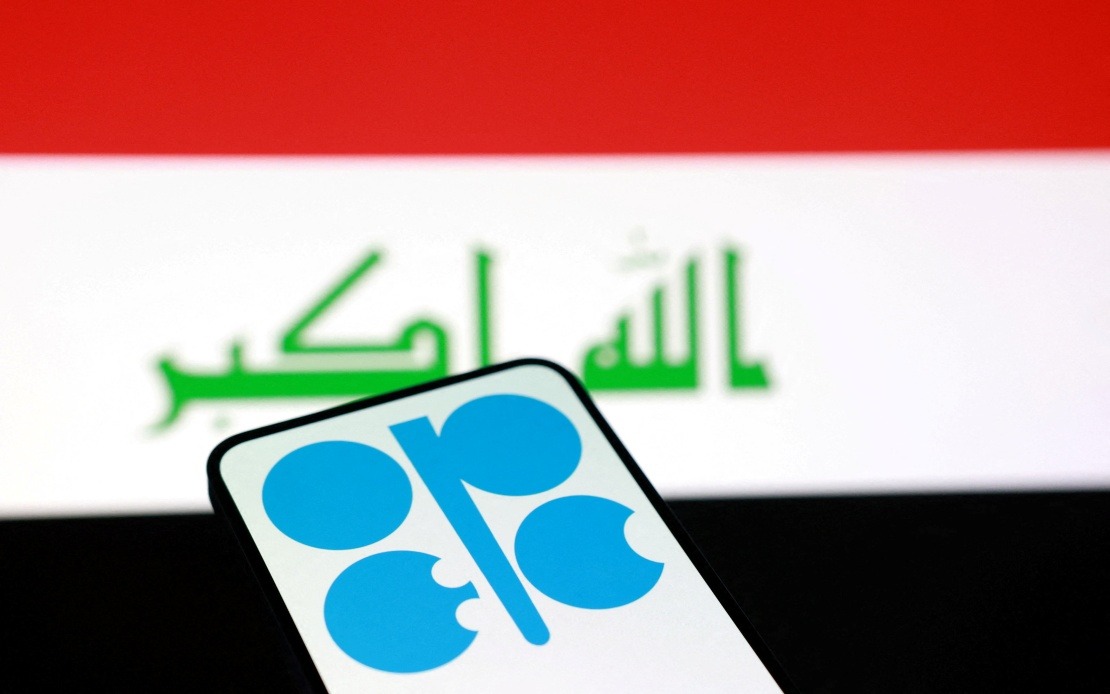
Iraq's Oil Ministry moved swiftly to extinguish speculation about a potential withdrawal from OPEC on Thursday, issuing a formal statement clarifying that Baghdad remains fully committed to the organisation despite longstanding frustrations over its assigned production quota. The denial followed a Bloomberg report citing Oil Ministry spokesman Salim Al-Rikabi, which suggested Iraq might reconsider membership if the cartel failed to grant a higher output ceiling. However, both the ministry and Al-Rikabi himself have since emphasised that neither Iraq's prime minister nor government has entertained any proposal to exit the group, signalling that Baghdad's strategy remains rooted in negotiation rather than confrontation.
The core of Iraq's grievance centres on what the ministry characterises as an outdated production ceiling that fails to account for the nation's genuine technical capacity. Rather than threatening departure, Iraqi officials are pushing for a comprehensive reassessment of how much oil each member state can sustainably extract, framing this as a technical exercise grounded in economic reality. This shift in messaging is significant for the region, as it demonstrates Iraq's preference for working within OPEC's institutional framework while simultaneously applying pressure through demands for transparent, externally-validated capacity assessments. The ministry explicitly stated that such matters will be resolved through technical and consensus-driven mechanisms embedded within the OPEC+ structure, avoiding unilateral confrontation.
Baghdad's argument carries considerable weight when examined in the context of recent Middle Eastern geopolitics and energy dynamics. Iraq has endured four decades of conflict, international sanctions, and infrastructural devastation that constrained oil production to a fraction of its pre-1980 capabilities. The country's ability to dramatically increase output—as it has done in recent years—reflects genuine recovery of productive capacity rather than arbitrary expansion desires. The ministry emphasised that member states have displayed understanding of Iraq's "special situation," acknowledging the cumulative impact of wars, embargoes, and terrorist attacks on critical oil infrastructure. This framing transforms Iraq's quota demand from a selfish assertion into a compensatory measure reflecting the disproportionate national costs incurred through decades of instability.
The broader context involves OPEC+ and its partners launching a formal process to reassess the maximum sustainable production capacity of each member state. This initiative, conducted in coordination with an independent international consulting firm and featuring active Iraqi participation, provides the institutional mechanism through which Baghdad intends to press its case. Rather than operating in isolation, Iraq is leveraging this technical review process to substantiate claims about its production potential, effectively converting subjective demands into objective capacity evaluations. The results of these assessments are expected to inform OPEC+ output targets through 2027, creating a multi-year opportunity for Iraq to secure permanent quota adjustments based on demonstrated technical capacity.
Iraq's strategic positioning reflects recognition that OPEC quotas represent a major constraint on national revenues at a time when Baghdad faces significant reconstruction expenditures and pressing fiscal demands. The ministry's insistence that production ceilings be aligned with sustainable capacity serves multiple purposes simultaneously. It allows Iraq to pursue higher oil revenues—essential for nation-building and addressing decades of deferred investment—while maintaining rhetorical fidelity to OPEC's collective decision-making structures and consensus requirements. This approach avoids the diplomatic costs and market destabilisation that would accompany genuine withdrawal threats, while still signalling serious intent to renegotiate current arrangements.
The timing of Iraq's clarification also carries tactical significance. With OPEC+ already in a managed production adjustment phase, gradually restoring output that had been voluntarily reduced to support global oil prices, Iraq's emphasis on forthcoming quota increases aligns with broader cartel movements toward normalisation. The ministry noted that full restoration of voluntary cuts is scheduled for coming months, a development expected to strengthen Iraq's production ceiling as the baseline for calculations inevitably rises. This sequencing suggests Iraq expects the capacity review process and gradual production restoration to create cumulative upward pressure on its assigned quota without requiring explicit confrontation.
For Southeast Asian energy consumers and economies reliant on stable global oil supplies, Iraq's manoeuvres carry tangible implications. Malaysia and other regional economies benefit from transparent OPEC+ governance that factors technical capacity into production decisions, as opaque quota allocations disconnected from actual productive ability create distortions in global energy markets. Iraq's push for objective capacity assessment, if successful, could establish a precedent for more rational allocation mechanisms within the cartel. Conversely, if Iraqi demands remain unmet, the risk of genuine supply disruptions or organisational tensions would be elevated, creating volatility affecting the entire region's energy security and manufacturing costs.
The ministry's explicit repudiation of withdrawal rhetoric should not obscure the underlying tension that generated Bloomberg's original reporting. Iraq unquestionably views its current production quota as constraining national ambitions and constraining revenues at a critical juncture in post-conflict reconstruction. However, the form through which this grievance is being channelled—technical reassessment processes, appeals to special circumstances, emphasis on consensus mechanisms—reflects pragmatic recognition that withdrawal would impose enormous costs while yielding minimal benefits. Iraq remains economically dependent on oil revenues far exceeding any alternative income sources, making cartel membership an unchallengeable structural reality despite periodic frustrations.
The international consulting firm engaged to evaluate member capacities represents the external validation mechanism that Baghdad hopes will substantiate its arguments for quota increases. By displacing the decision from purely political negotiations to technical analysis, Iraq improves its negotiating position significantly. The firm's findings, whatever their specifics, will carry authority that purely ministerial assertions cannot command. This explains why the ministry highlighted Iraq's "active participation" in the capacity review process—Baghdad is positioning itself not as a complainant but as a cooperative partner in a rational, technical exercise that should naturally result in revised quotas reflecting updated reality.
Looking ahead, the next critical juncture will arrive when the capacity review results are published and OPEC+ formally considers output adjustments for 2027 and beyond. Iraq has effectively constrained its own negotiating space by categorically denying withdrawal intentions, but this sacrifice in brinkmanship leverage is offset by the enhanced credibility that principled commitment to the organisation provides. If the independent capacity assessment validates Iraqi claims about sustainable production potential, the ministry will possess powerful ammunition for pressing quota increases. If the assessment proves less generous, Baghdad will face difficult choices about whether to renew pressure or accept the technical findings as authoritative and binding.

