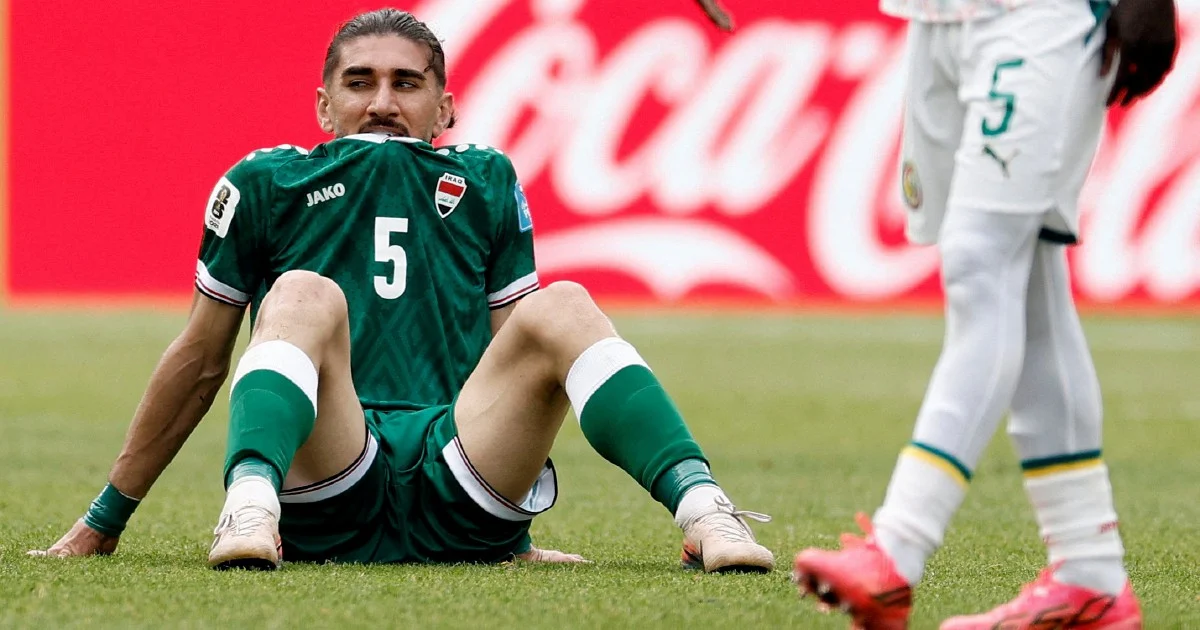
Iraq's Olympic Committee announced plans on Monday to conduct a comprehensive examination of the national football team's underwhelming World Cup showing, signalling a determination to address systemic failures that contributed to the disappointing tournament run. The decision marks a significant moment for Iraqi football as officials acknowledge the need for institutional change to restore competitiveness on the international stage.
The investigation will extend beyond simply identifying what went wrong during the World Cup campaign. Instead, the committee aims to scrutinize the structural weaknesses, tactical decisions, and player management strategies that resulted in the team's poor showing. This multi-faceted approach suggests officials recognise that meaningful improvement requires examining every aspect of how the national programme operates, from grassroots development through to senior squad selection and tournament preparation.
For Malaysian football observers, Iraq's situation carries particular relevance given the shared challenges facing Southeast Asian and West Asian football federations. Both regions struggle to compete with established powerhouses, yet must navigate limited resources, variable playing conditions, and the complex task of maintaining competitive squads while developing young talent. Iraq's commitment to structural reform offers a case study in how football-developing nations respond to failure—either through sustained institutional change or temporary reactions that lack lasting impact.
The committee's broader objective encompasses not merely investigating past shortcomings but designing preventive mechanisms to safeguard against future disappointment. This forward-looking stance indicates officials understand that World Cup qualification itself represents an achievement for a nation still rebuilding its sporting infrastructure following years of conflict and instability. However, qualification alone cannot satisfy ambitions; the performance during the tournament must meet acceptable standards.
Iraq has historically punched above its weight in Asian football, with the national team occasionally producing surprising results despite chronic organisational challenges. Yet sustained underperformance at major tournaments has eroded confidence among supporters and created pressure on the Football Association and Olympic Committee to demonstrate competence in managing the sport's development. The investigation represents an attempt to restore institutional credibility by showing willingness to implement rigorous self-examination.
The measures being considered will likely encompass coaching standards, player welfare and preparation protocols, tactical flexibility, and the integration of domestic league talent with overseas-based players. Iraqi football's challenge lies in balancing reliance on foreign-based professionals who gain regular competitive experience in stronger leagues against nurturing local talent and building a sustainable domestic pyramid that produces world-class players consistently.
Regional implications extend beyond Iraq itself. Neighbouring football nations will watch closely to observe whether such investigations translate into tangible improvements or remain largely ceremonial exercises. In Southeast Asia, similar discussions occur whenever national teams underperform, yet follow-through often falters due to political interference, budget constraints, or lack of technical expertise. Iraq's process could provide valuable lessons in institutional reform for other developing football federations.
The committee's announcement also reflects broader recognition that modern international football demands sophisticated approaches to player development, technical instruction, and tournament preparation. Nations that previously succeeded through individual talent or tactical innovation now require integrated systems spanning youth academies, coaching education, sports science support, and meticulous planning. Iraq's willingness to overhaul its approach suggests acceptance of this reality.
Tournament failure, while disappointing, occasionally catalyses necessary change that gradual improvement cannot achieve. The concentrated focus generated by underperformance at a major competition can justify the investment and institutional restructuring that steady-state football operations sometimes cannot. Iraq's Olympic Committee clearly hopes to leverage this moment of heightened scrutiny to implement changes that might otherwise face resistance from entrenched interests within the football establishment.
Looking forward, the investigation's credibility will depend entirely on implementation. Officials must ensure that recommendations translate into actual policy changes, funding allocation adjustments, and personnel decisions. External oversight from international football experts could enhance the process's rigour and prevent purely internal reviews from overlooking uncomfortable truths about leadership failures or structural inadequacies.
For Iraqi supporters weary of repeated disappointments, the committee's announcement offers hope that institutional learning is possible. Yet scepticism remains warranted until concrete changes materialise. The investigation must move beyond identifying blame and instead establish clear performance benchmarks, accountability mechanisms, and resource commitments that make future improvement measurable and inevitable rather than aspirational.

