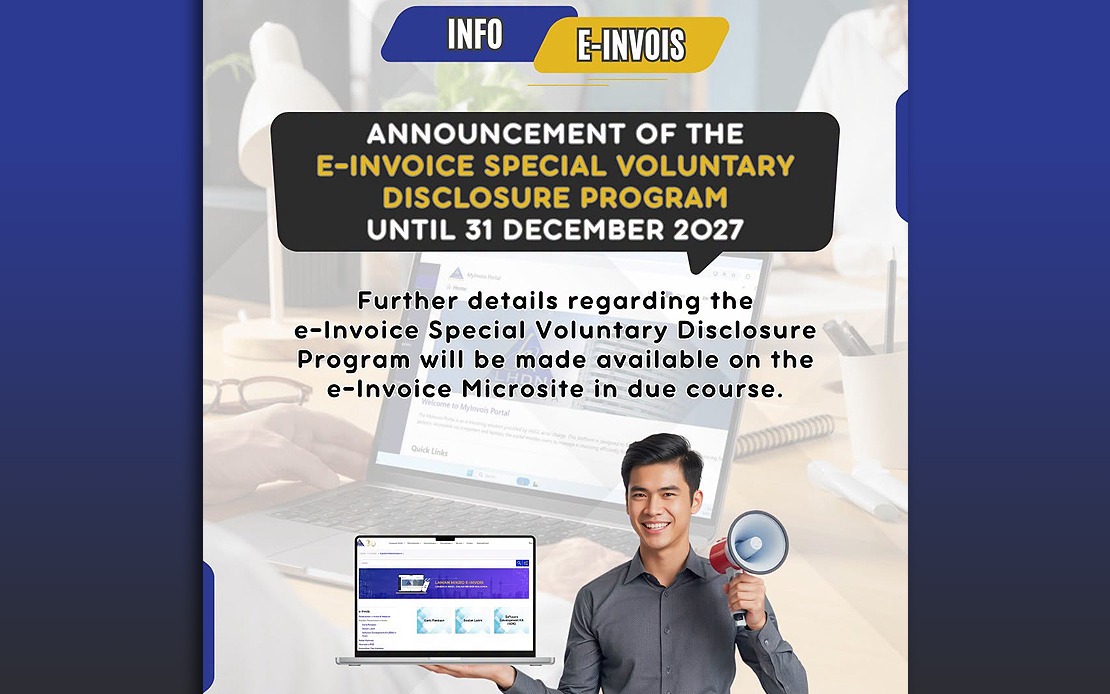
Prime Minister Datuk Seri Anwar Ibrahim, speaking in his capacity as Finance Minister, unveiled a fresh initiative aimed at easing the compliance burden faced by Malaysia's business community. The e-Invoice Special Voluntary Disclosure Programme, which will remain open until December 31, 2027, represents a significant extension of leniency for enterprises struggling with the country's digital invoice transition. This three-year window signals the government's recognition that the shift towards mandatory e-invoicing has presented unexpected challenges for many operators, particularly those operating at smaller scales.
The Inland Revenue Board has structured the initiative to encompass three distinct categories of taxpayers. The first group comprises businesses that neglected to submit e-Invoices for particular transactions that fell within the mandatory scope. The second category addresses organisations that did submit digital invoices but encountered deficiencies—either containing data errors or failing to satisfy the technical and procedural standards established by the revenue authority. The third group captures those who have had gaps in their e-Invoice submission record since the compliance date was initially mandated, covering any periods during which submissions should have occurred but did not.
Under normal circumstances, such omissions and inaccuracies would trigger financial penalties, creating a significant deterrent to voluntary correction. The voluntary disclosure framework fundamentally alters this equation by eliminating penalties for taxpayers who come forward proactively to rectify their records. This carrot-rather-than-stick approach reflects a broader policy shift within Malaysian tax administration, acknowledging that punitive measures alone may discourage businesses from achieving full compliance. By removing the financial consequence of disclosure, the government creates genuine incentive for businesses to put their house in order.
The IRB has emphasised that submissions made under this programme must maintain accuracy and align with both the General and Specific e-Invoice Guidelines that govern the system. The board characterised the initiative as supporting Malaysia's broader digitalisation aspirations, framing compliance not merely as a tax administration requirement but as part of the country's economic modernisation agenda. This messaging targets the narrative around digital transformation, positioning e-invoicing as foundational infrastructure for a contemporary business environment rather than an arbitrary burden.
Beyond the penalty waiver, the government has sweetened the proposition through accelerated tax incentives designed to reward comprehensive compliance. Businesses that fully embrace e-Invoice implementation can now claim capital allowances for information and communication technology equipment purchases within a single fiscal year, rather than spreading deductions across multiple years. This acceleration applies equally to expenditures incurred for developing or modifying software systems specifically designed to facilitate e-Invoice functionality. For enterprises investing in digital infrastructure, this provision materially improves the immediate financial impact of compliance investments.
The acceleration of tax incentives holds particular significance for Malaysia's micro, small, and medium enterprise sector, which Prime Minister Anwar specifically highlighted as a primary beneficiary. MSMEs typically operate with tighter margins and limited capital reserves, making the timing and magnitude of tax deductions meaningful to their cash flow management. By allowing faster recovery of technology investments through accelerated allowances, the government reduces the effective cost of compliance for the businesses most likely to find transition expenses burdensome. This targeted approach suggests policymakers recognise that compliance capacity varies substantially across the business spectrum.
The infrastructure supporting disclosure is structured to minimise friction for participating taxpayers. The IRB has established multiple channels through which businesses can seek guidance, including traditional office visits at IRB locations throughout the country, a dedicated helpdesk operating at 03-8682 8000, and digital support through MyInvois Live Chat and email facilities. This multi-channel approach acknowledges that different businesses have different comfort levels with digital interaction, and that small operators may prefer direct human assistance when navigating complex technical requirements. The emphasis on accessible support infrastructure suggests the revenue authority views the programme as a genuine pathway to compliance rather than a formality.
The timing of this announcement carries significance within Malaysia's tax administration calendar. The e-Invoice system has now been operational long enough for the revenue authority to identify systematic implementation gaps and to understand the scale of non-compliance challenges. Rather than pursuing aggressive enforcement, which could damage relationships with the business community and discourage future voluntary compliance, the IRB has chosen a period of grace. This measured response reflects pragmatic recognition that digital transformation in tax systems rarely proceeds without teething problems, and that accommodating adjustment periods ultimately produces better compliance outcomes than rigid enforcement.
For Malaysian businesses currently struggling with e-Invoice implementation, the programme offers genuine practical relief. Companies that may have avoided disclosure due to fear of penalties now have a compelling incentive to update their records systematically. The combination of penalty elimination and accelerated tax deductions creates a window where the cost-benefit analysis favours compliance. Enterprises carrying forward unresolved e-Invoice liabilities should view the programme deadline as a genuine opportunity rather than merely another regulatory announcement.
The broader implications extend beyond individual tax compliance to the health of Malaysia's digital economy. Successful e-Invoice implementation demonstrates administrative capacity and creates data infrastructure valuable for future economic policy and oversight. By facilitating rather than punishing the transition period, the government increases the probability of comprehensive adoption. This programme thus represents not merely a tax collection mechanism but an investment in building foundational digital systems that support modern business operations across the Southeast Asian economy.

