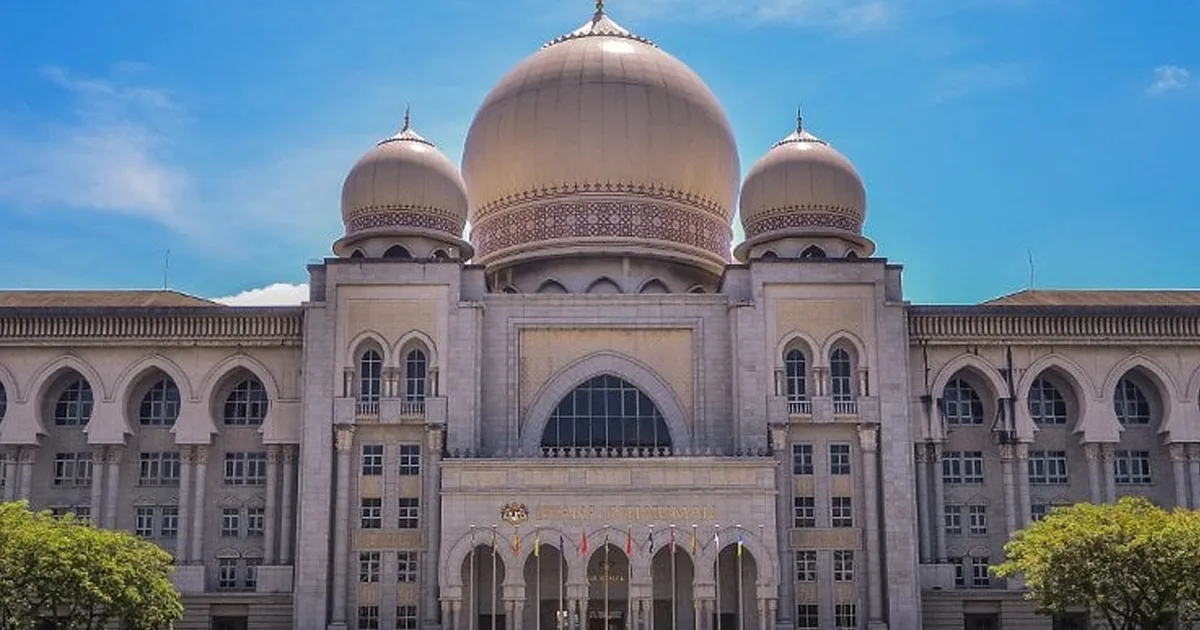
Pertubuhan Ikram Malaysia has escalated its legal battle to the country's highest court, mounting a substantial constitutional challenge to a Court of Appeal decision that effectively bars registered societies from pursuing defamation claims. The Islamic NGO is presenting ten distinct legal questions for the Federal Court's consideration, signalling a comprehensive attempt to overturn precedent that has significant implications for how civil society organisations across Malaysia can defend their institutional reputations.
The dispute centres on a fundamental question of law: whether registered societies possess the necessary legal standing to be considered victims of defamation. The Court of Appeal previously determined that such organisations, despite their formal registration under Malaysian law, lack sufficient legal personality and reputation to sustain libel or slander actions. This interpretation has created a practical paradox whereby associations with thousands of members and substantial public profiles cannot legally challenge false statements that damage their standing.
Pertubuhan Ikram Malaysia's decision to pursue the matter indicates the organisation views the ruling as unjust and potentially far-reaching in its consequences. By formulating ten specific legal questions, the NGO is attempting to demonstrate multiple weaknesses in the appellate court's reasoning. This structured approach suggests the organisation has carefully identified distinct legal principles that could support a reversal, rather than requesting an outright overturning based on a single argument.
The case touches on evolving questions about organisational rights within Malaysian jurisprudence. Historically, defamation law has been tied to individual persons and their reputations. However, modern legal systems increasingly recognise that organisations can suffer genuine harm through false statements affecting public trust, donor confidence, membership recruitment, and operational capacity. The question becomes whether Malaysian courts will modernise their approach to reflect this reality.
For other registered societies, charities, and NGOs throughout Malaysia, this case carries substantial weight. Hundreds of organisations operate under the Societies Act, ranging from religious groups to community development associations, environmental organisations, and trade unions. If societies cannot sue for defamation, they face a significant vulnerability: malicious actors can make damaging false claims with legal impunity, knowing their targets lack courtroom recourse. This creates an asymmetry where institutional voices are effectively silenced while individuals retain full protection.
The implications extend beyond Malaysia's borders within Southeast Asia, where many countries grapple with similar questions about NGO rights and institutional reputation. As civil society organisations grow more prominent in regional discourse, courts across the region are increasingly asked whether traditional defamation frameworks adequately protect entities that have become central to democratic participation and public accountability. Malaysia's Federal Court decision could influence how neighbouring jurisdictions approach comparable cases.
From a practical standpoint, the ruling has already created complications for organisations attempting to address misinformation. When false allegations circulate about an NGO's financing, governance, or activities, the organisation may have limited legal recourse. This dynamic potentially empowers bad-faith actors to weaponise reputational attacks, knowing the targets lack a functional deterrent. The chilling effect on organisational speech becomes apparent when associations must choose between dignified silence or extra-legal responses to falsehoods.
Pertubuhan Ikram Malaysia's ten legal questions likely explore territory ranging from the constitutional foundations of organisational rights, through statutory interpretation of the Societies Act, to comparative jurisprudence from Commonwealth jurisdictions with more expansive recognition of corporate defamation rights. The Federal Court will need to weigh traditional common law principles against contemporary understandings of how reputational harm operates in complex societies with dense networks of formal organisations.
The broader significance lies in how the judgment will influence institutional protections generally. Beyond NGOs, the precedent could affect how companies, professional bodies, government-linked organisations, and other legally constituted entities can defend themselves. If societies cannot sue, the consistency of defamation law across different organisational forms comes into question. Why should a registered society have fewer rights than a limited company operating similar functions within civil society?
Court observers note that the Federal Court, as the apex judicial body, has capacity to undertake comprehensive constitutional analysis that appeals courts may not fully develop. Pertubuhan Ikram Malaysia's strategy of presenting multiple legal angles suggests preparation for nuanced judicial reasoning that balances different legal principles and policy concerns. The outcome will likely shape NGO operations and institutional resilience across Malaysia for years to come.
The timing of this appeal also matters within Malaysia's broader civil society landscape. As trust in institutions fluctuates and information environments become increasingly contested, the ability of organisations to defend their reputations through courts becomes more valuable. A Federal Court affirmation of organisational defamation rights would substantially strengthen the institutional ecosystem. Conversely, upholding the Court of Appeal decision would effectively create a protected category of targets for reputational attacks, raising serious questions about justice and organisational accountability.

