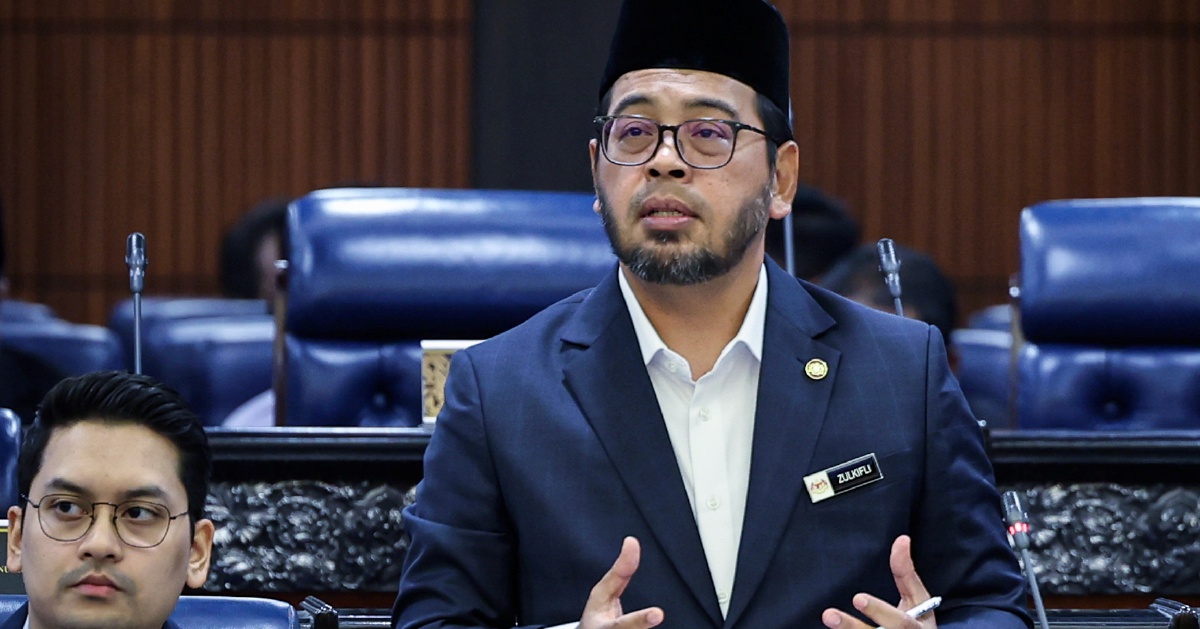
Political accountability has come into sharp focus following calls for former Prime Minister Datuk Seri Ismail Sabri Yaakob to publicly justify his administration's decision to suppress the Royal Commission of Inquiry report into Lembaga Tabung Haji for approximately four years. The demand, made by political observer Zulkifli Anwar, reflects widening scrutiny over governance practices during Ismail Sabri's tenure as the nation's leader, particularly regarding transparency in matters affecting public institutions managing substantial citizen assets.
The Lembaga Tabung Haji, Malaysia's pilgrim fund established to enable Muslims to undertake the hajj pilgrimage, has been the subject of considerable public interest due to its role as custodian of savings belonging to millions of Malaysian pilgrims. An independent inquiry into the institution's operations and management was initiated to investigate concerns about financial management and administrative practices. The comprehensive nature of such commissions typically results in recommendations intended to guide institutional reform and restore public confidence. The extended period during which findings remained undisclosed has raised fundamental questions about the government's commitment to transparency regarding entities entrusted with citizen welfare and resources.
The timeline of the withholding proves significant when placed within Malaysia's broader political context. Ismail Sabri's premiership, spanning from August 2021 to August 2023, occurred during a period marked by considerable institutional challenges and public demands for enhanced governmental transparency. His administration inherited various policy challenges and faced expectations to demonstrate decisive leadership through open disclosure of findings affecting public institutions. The decision to withhold the RCI findings contradicts such expectations and invites scrutiny into the decision-making processes that prioritised non-disclosure over public accountability.
Zulkifli's assertion that clarification is necessary reflects legitimate public interest in understanding the rationale behind what appears to be atypical handling of official commission findings. Normally, inquiries into public institutions are designed to inform policy adjustments and restore stakeholder confidence through transparent disclosure of findings and recommendations. The suppression of such a report suggests either concerns about sensitive findings or administrative oversights regarding information management protocols. Either scenario warrants explanation to assure the public of proper governance standards.
The Tabung Haji institution itself occupies a unique position within Malaysia's financial landscape. Beyond its role as a savings mechanism, it represents a trust relationship between the government and Muslim citizens planning to fulfil a fundamental Islamic obligation. When institutional challenges arise—as suggested by the inquiry's initiation—stakeholders rightfully expect transparent communication about identified problems and planned remedial measures. The withholding of the RCI report denies pilgrims and the broader public this essential information necessary for informed assessment of their relationship with the institution.
For current policymakers, particularly Prime Minister Anwar Ibrahim's administration which has emphasised good governance and anti-corruption measures, the Tabung Haji report's eventual disclosure presents both an accountability challenge and a legitimacy opportunity. Releasing previously suppressed findings demonstrates commitment to transparency standards and serves as a corrective measure for previous administrative shortcomings. Simultaneously, it establishes that the incumbent government prioritises disclosure over political considerations that might have motivated the prior concealment.
The situation also carries implications for Malaysia's broader institutional credibility. Public institutions depend fundamentally on citizen trust, particularly those managing financial resources. When reports investigating such institutions are delayed or withheld, the institutional damage extends beyond the immediate subject matter. It undermines confidence in government commitments to transparency and raises questions about what other findings might similarly be concealed. This cascading loss of trust affects not just Tabung Haji but the public's relationship with other government bodies and agencies.
From a Southeast Asian perspective, Malaysia's handling of this matter influences perceptions of governance standards within the region. Countries throughout Southeast Asia grapple with balancing national stability with transparency demands. The manner in which Malaysia addresses past concealment of official reports signals commitment to strengthening institutional accountability mechanisms that many regional counterparts similarly struggle to establish. Demonstrating strong accountability standards distinguishes Malaysia among regional competitors seeking foreign investment and international credibility based on governance quality.
The political dimension cannot be overlooked. Zulkifli's public call for explanation reflects broader patterns of opposition scrutiny regarding administrative practices from previous governments. Such accountability mechanisms, while potentially appearing partisan, serve important functions in maintaining standards that transcend individual administrations. As Malaysia consolidates democratic practices and institutional safeguards, consistent demands for transparency—regardless of which administration faces questioning—strengthen long-term governance frameworks.
Moving forward, the government's response to these accountability demands will significantly influence institutional credibility restoration efforts. Publishing the long-withheld RCI report, coupled with transparent explanation of prior concealment rationales, would represent constructive steps toward rebuilding public confidence. For Tabung Haji specifically, such disclosure provides necessary foundation for genuine institutional reform addressing whatever challenges the inquiry identified. The eventual handling of this matter will establish important precedents regarding Malaysia's commitment to transparency standards in managing public institutions and resources entrusted to government stewardship.

