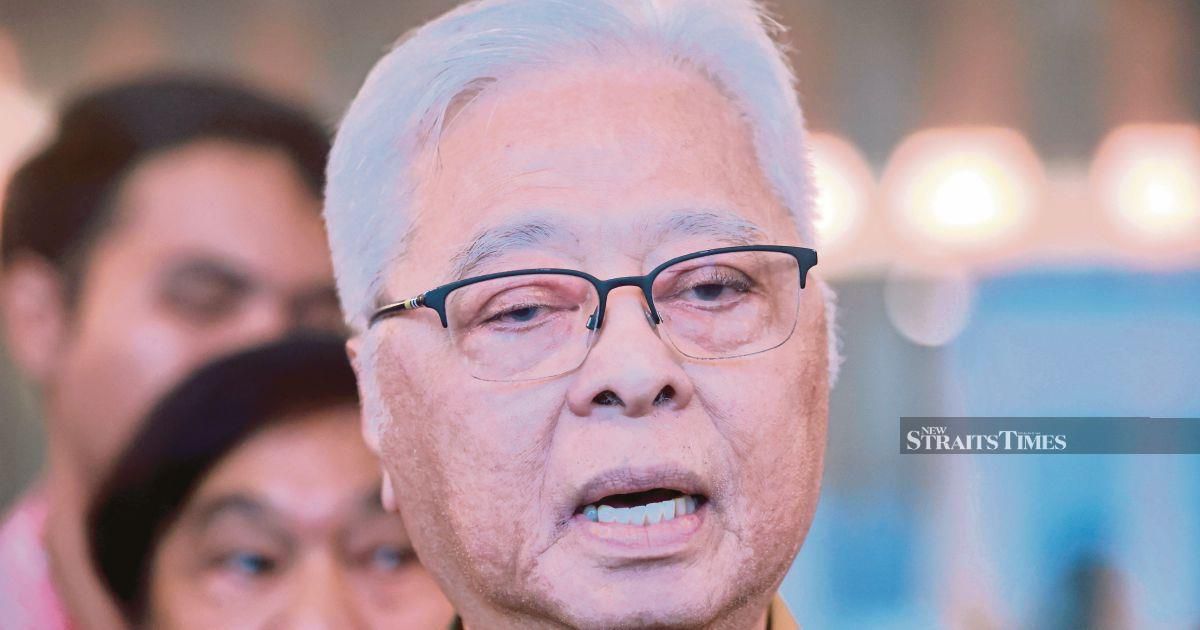
Datuk Seri Ismail Sabri Yaakob appears poised to create another significant chapter in Malaysia's unprecedented judicial reckoning with its former leaders, as he stands on the cusp of becoming the third ex-premier to be charged with criminal offences. This development reflects a remarkable shift in the nation's political and legal landscape, where former heads of government now regularly find themselves in courtrooms answering to charges that would have been unthinkable in previous eras. The imminent charges against Ismail Sabri follow the legal trajectories of Datuk Seri Najib Razak and Tan Sri Muhyiddin Yassin, who have both traversed Malaysia's criminal justice system as sitting or former leaders accused of serious misconduct.
The pattern emerging from these consecutive legal proceedings reveals a fundamental transformation in how Malaysia addresses accountability among its highest office holders. Where past administrations might have sheltered departing prime ministers through political patronage or institutional protection, the current system appears increasingly willing to permit independent judicial action against former heads of state. This represents a departure from typical governance patterns in Southeast Asia, where institutional immunity has historically cushioned political elites from criminal exposure. The Malaysian experience suggests a maturation of judicial independence, though observers continue to debate whether these prosecutions reflect genuine institutional strength or remain subject to shifting political winds.
Najib Razak's prosecution emerged from investigations into the 1Malaysia Development Berhad scandal, which fundamentally altered perceptions of executive accountability in the region. His conviction and subsequent legal battles established precedent for subjecting former prime ministers to public trial, stripping away the ceremonial immunity that had previously insulated such figures from ordinary justice processes. The Najib case captured international attention and demonstrated Malaysia's capacity to pursue high-profile cases involving former leaders, even when those cases proved complex and legally challenging. The conviction, though later subject to appeals and ongoing legal proceedings, fundamentally altered the calculus of political risk for Malaysian leaders contemplating potentially corrupt or illicit conduct.
Muhyiddin Yassin's entry into Malaysia's dock added another layer to this unfolding drama, extending the phenomenon beyond single instances to demonstrate an emerging pattern. The charges against Muhyiddin, relating to allegedly unlawful political party funding and related matters, involved allegations that touched on governance during his tenure as prime minister. His prosecution underscored that no recent leader could assume immunity based on tenure, timeline, or political affiliation. The parallel prosecution of both Najib and Muhyiddin created an unusual situation where Malaysia held multiple former prime ministers simultaneously subject to criminal proceedings, an occurrence without clear precedent in the Malaysian system.
Ismail Sabri's likely position as the third former premier facing charges extends this pattern further, suggesting this represents not anomaly but emerging norm in Malaysian governance. His tenure as prime minister between 2021 and 2022 was comparatively brief, yet appears to have generated sufficient allegations to warrant criminal investigation and prosecution. The charges apparently relate to conduct potentially spanning both his ministerial service and prime ministerial term, indicating that authorities are willing to examine the full scope of a leader's public service when investigating suspected wrongdoing.
The implications for current Malaysian politics prove substantial. Sitting and recently departed leaders must now operate under the clear understanding that political defeat does not guarantee personal legal safety. This recognition potentially incentivises greater adherence to governance standards, though critics argue it simultaneously creates perverse incentives for political victimisation and weaponised prosecution. The psychological impact on Malaysian political elites—many of whom face the realistic prospect of eventual legal scrutiny—may alter decision-making processes within government and parliamentary circles.
Regional observers view Malaysia's willingness to prosecute former prime ministers as either exemplary or cautionary, depending on their perspective on institutional independence versus political manipulation. Neighbouring Southeast Asian nations, many with less robust separation of powers, regard Malaysia's experience with mixed reactions. Some praise the demonstration of judicial authority; others cite it as evidence of institutional instability. The spectacle of consecutive prime ministers appearing in court creates an image of a nation fundamentally unstable at its highest levels, potentially damaging Malaysia's international reputation and investor confidence.
The financial and reputational costs extend beyond individual defendants. When multiple former leaders face prosecution simultaneously, public discourse becomes consumed by scandal narratives rather than policy development. Malaysia's ability to project stability and focus on economic growth becomes complicated when institutional attention concentrates on high-profile trials. The media oxygen devoted to successive prosecutions crowds out coverage of substantive governance issues, legislative initiatives, and economic policy.
Looking forward, the consolidation of this pattern raises fundamental questions about Malaysia's institutional trajectory. Whether judicial independence has genuinely strengthened or whether prosecutions represent politically opportunistic moments remains contested. The difference between accountability and vendetta often depends on perspective, partisan positioning, and faith in institutional neutrality. Ismail Sabri's imminent entry into this cohort of prosecuted former premiers will likely intensify these debates while further cementing Malaysia's unusual position within the Southeast Asian context as a nation willing to pursue criminal charges against its recently departed leaders.

