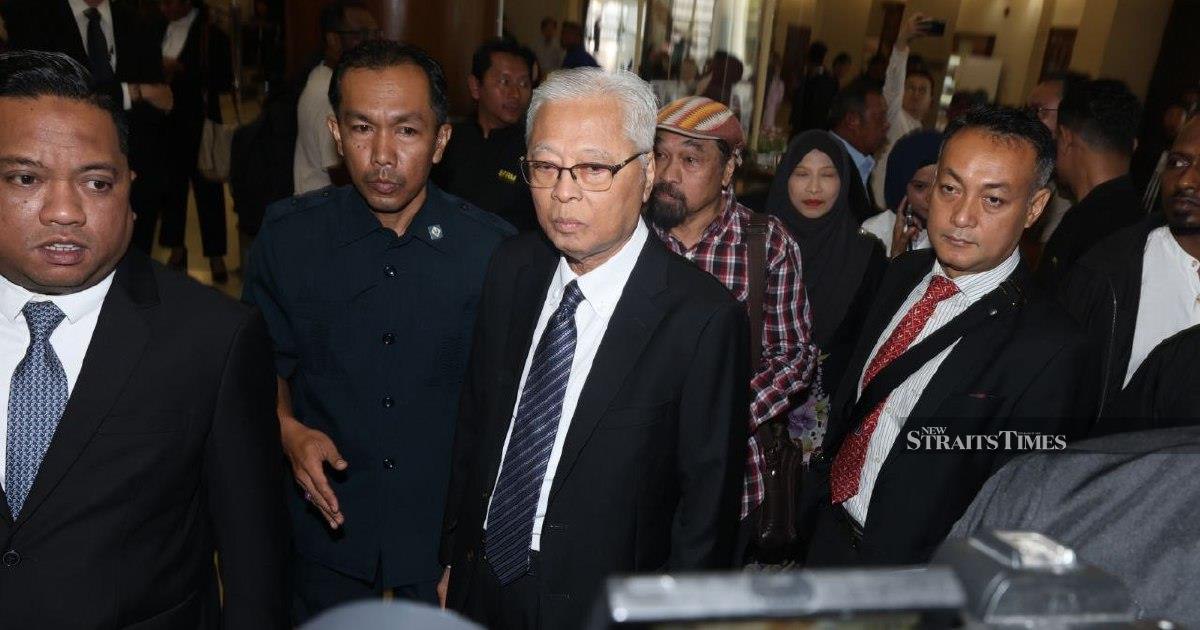
Former prime minister Datuk Seri Ismail Sabri Yaakob has been released from detention after his son posted RM300,000 bail at the Kuala Lumpur court complex, concluding what appears to be an initial hearing phase in an undisclosed legal matter.
The bail amount represents a substantial financial commitment from the family to secure the former leader's temporary freedom pending further court proceedings. Such bail arrangements are standard practice in Malaysian jurisprudence when an accused person is permitted to remain outside custody while awaiting trial dates or additional hearings.
Ismail Sabri, who served as Prime Minister from August 2021 to November 2022, has faced mounting scrutiny in recent months as authorities pursue various investigations into his affairs. His appearance at the court complex underscores the continuing legal challenges confronting senior political figures across the country's leadership landscape.
The posting of bail through family resources suggests the court found sufficient grounds to grant conditional release rather than remand custody. This decision typically indicates the judicial assessment that the accused maintains community ties, poses no flight risk, and meets other conditions deemed necessary to ensure appearance at subsequent hearings.
For Malaysian observers of political developments, the former premier's court appearance signals the independence of the judiciary in addressing allegations against prominent office-holders regardless of their previous positions. This principle has become increasingly important as Malaysia navigates its democratic maturation and institutional accountability processes.
The RM300,000 bail figure falls within ranges commonly applied to political figures facing serious allegations in Malaysia, though the specific charges or investigation grounds remain undisclosed in available information. Such transparency gaps are typical during preliminary stages of major cases, with full particulars emerging once prosecutorial decisions solidify.
Ismail Sabri's tenure as Prime Minister proved contentious, culminating in his administration's defeat at the November 2022 general election. Since then, he has remained active within UMNO party structures while facing intensifying legal complications that threaten to define his post-premiership legacy.
The family's financial capability to post bail promptly demonstrates the resources available to Malaysia's political elite, a factor that frequently draws public commentary regarding disparities in how the legal system accommodates individuals of differing economic circumstances. Such observations persist within broader Malaysian discourse on justice system equity.
Court proceedings of this nature typically follow structured timelines, with subsequent hearings scheduled weeks or months ahead. During interim periods, bail conditions generally restrict the accused's movement and may require regular reporting obligations to enforcement authorities.
The political ramifications of this legal development extend beyond Ismail Sabri himself, potentially affecting UMNO's internal dynamics and its positioning within Malaysia's broader coalition architecture. Party leadership must navigate questions about supporting a senior figure entangled in legal complications while maintaining public confidence in institutional integrity.
Regional observers note that political accountability mechanisms remain inconsistently applied across Southeast Asia, making Malaysia's judicial proceedings particularly noteworthy. Whether authorities pursue these matters to substantive conclusions will shape perceptions of institutional independence across the region.
As investigations progress and additional court dates approach, Ismail Sabri's legal situation will likely generate continued media attention and political commentary. The trajectory of his case may establish precedents for how Malaysian institutions address allegations involving former high-office holders, potentially influencing future accountability mechanisms.

