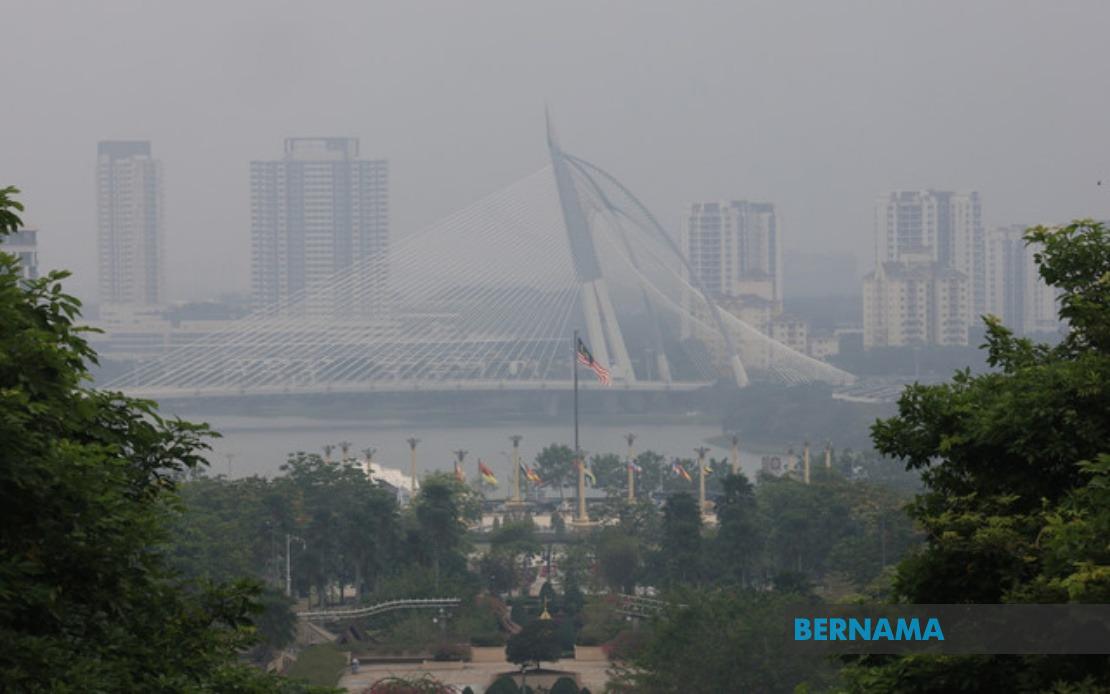
The Department of Islamic Development Malaysia has arranged a coordinated spiritual response to the ongoing haze crisis gripping the country, organising Solat Hajat ceremonies at three prominent mosques under its purview this evening. The special prayers of supplication will commence immediately following Maghrib prayers at the National Mosque in Kuala Lumpur, alongside simultaneous gatherings at the Putra Mosque and Tuanku Mizan Zainal Abidin Mosque located in Putrajaya, reflecting the severity with which authorities are treating the environmental emergency.
DATUK DR Sirajuddin Suhaimee, who heads JAKIM, framed the religious initiative as an appeal for divine intervention during a period of significant national hardship. He extended an invitation to the Muslim community nationwide to participate in the collective supplication, emphasising that the prayers represent an opportunity to seek Allah's protection and blessing for the nation's inhabitants during this environmental trial. The director-general's statement underscored the spiritual dimension of crisis management, positioning prayer alongside practical mitigation efforts as complementary responses to the atmospheric pollution.
The call for Solat Hajat carries explicit backing from Malaysia's highest political and religious authorities. AL-SULTAN Abdullah Ri'ayatuddin Al-Mustafa Billah Shah, the Sultan of Pahang, had previously issued a directive encouraging all Malaysians to engage in prayer and spiritual petition for the welfare of those suffering haze-related health impacts and for the restoration of environmental conditions. This royal endorsement lent considerable weight to the initiative, signalling unified leadership response across institutional boundaries. Concurrently, DR Zulkifli Hasan, the Minister in the Prime Minister's Department with responsibility for Religious Affairs, had similarly championed such community-based spiritual efforts.
The environmental situation underlying these prayers reflects deteriorating air quality across a significant swathe of Malaysian territory. As of the morning of August 26, the Air Pollutant Index recordings indicated unhealthy levels in seventeen distinct locations distributed across six states and two federal territories. Sarawak, Selangor, Negeri Sembilan, Johor, and Melaka each registered affected zones, whilst Perak similarly experienced compromised air quality. Kuala Lumpur and Putrajaya, as the nation's administrative and spiritual centres, were also implicated in the pollution event.
The breadth of geographical impact underscores how transnational air pollution patterns transcend state boundaries and administrative divisions. Haze episodes in Southeast Asia typically originate from regional sources, particularly agricultural burning and industrial emissions from neighbouring jurisdictions, creating international dimensions to what appears superficially as a domestic environmental issue. Malaysia's vulnerability to such cross-border atmospheric phenomena has recurred periodically, necessitating both diplomatic engagement with source countries and domestic crisis management protocols.
The religious response articulated through Solat Hajat represents a culturally resonant approach to collective anxiety during environmental emergencies. In Islamic tradition, Solat Hajat represents an established mechanism through which believers collectively petition Allah during times of trial or uncertainty. By mobilising this spiritual framework, JAKIM simultaneously acknowledged the community's emotional and psychological needs whilst channelling collective concern toward structured, faith-based outlets. Such approaches often complement technical interventions, addressing the holistic experience of crisis beyond purely material dimensions.
For Malaysian readers, the convergence of haze episodes with institutional religious responses illustrates how environmental crises intersect with cultural and spiritual frameworks. The participation of federal and state-level leadership in endorsing these prayers signals recognition that managing public health emergencies encompasses addressing citizens' spiritual welfare alongside medical and environmental remediation. The inclusion of specific mosques—the National Mosque as a symbol of national unity, alongside the newer Putra and Tuanku Mizan facilities in the federal capital—reinforced the message that the crisis demanded responses at multiple levels of governance and community organisation.
The timing of the announcement and the rapid mobilisation of resources reflected institutional readiness to escalate response protocols when environmental indicators breach unhealthy thresholds. The specific identification of seventeen affected locations provided quantifiable evidence of the crisis scope, justifying the elevation of the issue to warrant spiritual intercession at the highest levels. This transparency regarding affected zones also served an informational function, alerting citizens to areas requiring heightened precautionary measures regarding outdoor activity and respiratory health protection.
Looking forward, the Solat Hajat initiative represents one component within a broader Malaysian environmental crisis management architecture. Whilst spiritual and cultural responses address psychological dimensions, complementary technical interventions—including air quality monitoring, transnational diplomatic coordination regarding source reduction, and public health advisories—constitute the comprehensive response framework. The integration of religious institutions into crisis communication channels reflects Malaysia's recognition that effective public governance requires engagement across multiple institutional domains including faith-based organisations.
The haze crisis once again highlights Southeast Asia's shared environmental vulnerabilities and the imperative for regional cooperation on atmospheric quality management. For Malaysia specifically, episodes like these underscore both the nation's exposure to extraterritorial pollution sources and the importance of maintaining diverse institutional capacities—technical, diplomatic, and spiritual—for managing collective emergencies. The JAKIM initiative thus exemplifies how modern nation-states mobilise traditional cultural resources alongside contemporary environmental governance mechanisms in responding to transnational environmental challenges.

