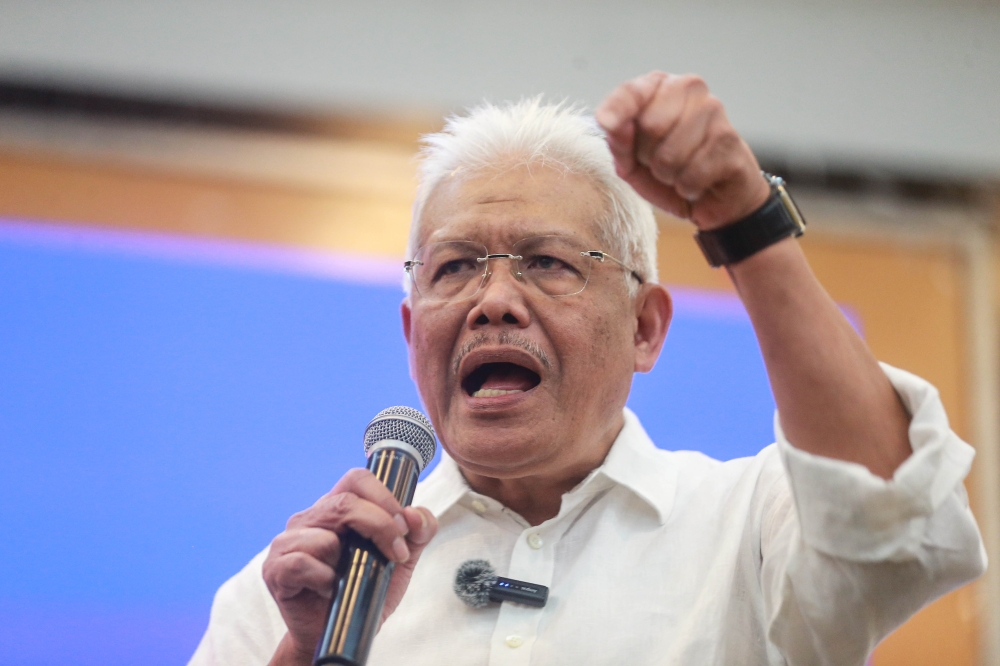
The possibility of a leadership transition in Negeri Sembilan politics has crystallised with the emergence of Datuk Seri Jalaluddin Alias as a top contender for the menteri besar post, contingent upon electoral success by the Barisan Nasional-Perikatan Nasional coalition. The Umno leader's positioning reflects broader calculations within Malaysia's major political formations as they prepare for potential shifts in state governance.
Jalaluddin Alias, who serves as the Negeri Sembilan Umno chairman, is among multiple individuals under consideration for the chief minister role. This development indicates that both Barisan Nasional and Perikatan Nasional are actively deliberating leadership configurations ahead of possible state-level transitions. The mention of multiple candidates suggests ongoing internal negotiations between the two coalitions regarding power-sharing arrangements and the distribution of key positions.
The coalition dynamics between Barisan Nasional and Perikatan Nasional carry significant implications for Negeri Sembilan's political landscape. These two formations have demonstrated capacity for cooperation in various contexts, though their alliance remains issue-dependent and subject to shifting political interests. The emphasis on having multiple candidates in the running suggests both parties retain flexibility in their approach to leadership selection, potentially allowing them to respond to grassroots sentiments or emerging political developments before any final decision.
Negeri Sembilan holds strategic importance within Malaysia's federal framework as one of the country's founding states and a component of the Klang Valley metropolitan region. Control of the state government carries implications for urban development, infrastructure planning, and resource allocation affecting neighbouring Selangor and Kuala Lumpur. The menteri besar position therefore represents not merely a provincial appointment but a role with ramifications extending into the broader federal context.
For Jalaluddin Alias specifically, his identification as a leading candidate reflects his standing within Umno's Negeri Sembilan establishment. As state chairman of the party, he has cultivated political influence across the state's division structures and municipal affairs. However, his elevation to menteri besar would depend entirely upon electoral outcomes, and the coalition's performance in both parliamentary and state constituencies would ultimately determine whether such transitions occur.
The current political climate in Malaysia features sustained competition between Perikatan Nasional and the opposition coalition, with Barisan Nasional occupying a pivotal centre position. In several states, Barisan has aligned with Perikatan to contest elections, a strategy designed to consolidate the non-opposition vote. Negeri Sembilan's political trajectory will partly depend on how effectively this coalition partnership operates during campaign periods and in consolidating support across different voter demographics.
Political transitions at the state level serve as important indicators of broader national political trends. The composition of any new state government in Negeri Sembilan, including who assumes the menteri besar role, will signal the relative strength and influence of different factions within Barisan Nasional and Perikatan Nasional. Such signals carry consequences for federal politics and the calculation of political forces at the national level.
The mention of alternative candidates alongside Jalaluddin Alias underscores that no single individual has yet secured a guaranteed position. This uncertainty reflects standard practice in Malaysian coalition politics, where leadership decisions frequently emerge only after elections confirm the governing coalition's victory. By maintaining multiple options, both Barisan Nasional and Perikatan Nasional preserve negotiating leverage and can select candidates who have demonstrated strongest support during electoral campaigns.
Negeri Sembilan's electorate will ultimately determine whether discussions about potential menteri besar candidates translate into actual governance. Voter sentiment across the state's districts, combined with the coalitions' campaign effectiveness, will establish the baseline for any leadership appointments. Electoral performance in specific constituencies may also influence which candidate from the available pool emerges as the preferred choice for either Barisan Nasional or Perikatan Nasional leadership.
The broader context of Malaysian coalition politics continues evolving as parties recalibrate their alliances and strategic partnerships. Negeri Sembilan's political developments will contribute to this recalibration process, potentially informing calculations about coalition viability and power-sharing arrangements applicable to other states. The state's role in this national political dynamic extends beyond local concerns to encompass the national political architecture.

