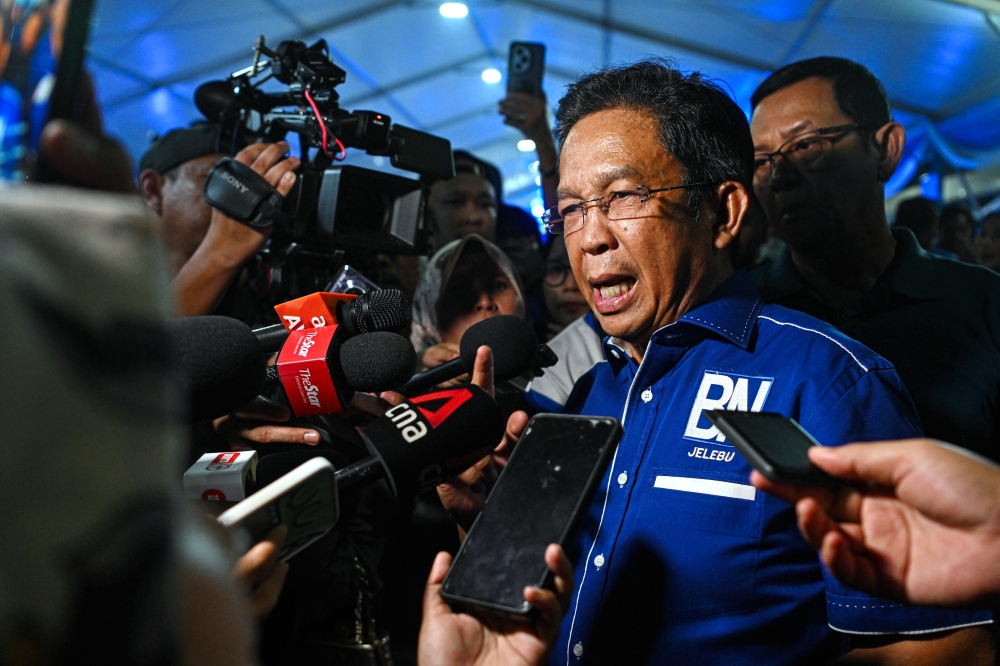
Datuk Jalaluddin Alias, who leads the Umno wing in Negeri Sembilan, has publicly recognised Perikatan Nasional's willingness to cede the chief minister's post to Barisan Nasional should the broader political alliance achieve electoral success, marking an important alignment of political interests ahead of potential state-level contests.
The statement from Jalaluddin represents a significant moment in regional coalition politics, signalling that despite the complex dynamics that characterise Malaysian political alliances, parties under the broader umbrella have managed to negotiate leadership arrangements that may help them present a unified front to voters. This kind of pre-election agreement on power-sharing becomes crucial in states where no single grouping commands an overwhelming majority and coalition mathematics determine which parties ultimately govern.
Negeri Sembilan has historically been a state where coalition politics play an important role in determining outcomes. The state's relatively balanced political composition means that electoral results can hinge on a handful of seats, making the cooperation and coordination between PN and BN components strategically valuable for both. By publicly announcing this arrangement, the parties are attempting to provide voters with clarity regarding leadership succession should they win, which political analysts suggest can influence voter confidence in coalition stability.
The Umno leader's remarks underscore the ongoing relationship between Barisan Nasional and Perikatan Nasional at the state level, despite the two blocs operating as separate national entities. This reflects the pragmatic realities of Malaysian politics, where state-level arrangements often differ from national coalition configurations. Several states have witnessed such cooperative arrangements between the two broad political groupings, demonstrating that parties frequently prioritise local governance opportunities over rigid national-level positioning.
For Barisan Nasional, securing commitment from a coalition partner regarding the chief minister position provides reassurance to party members and supporters that leadership roles remain accessible within the alliance framework. This becomes particularly important for parties like Umno, which have experienced recent electoral setbacks and require tangible indications that coalition arrangements offer genuine opportunity for governance roles. Public acknowledgment of such commitments strengthens party morale and provides candidates with clear messaging during campaign periods.
Perikatan Nasional's decision to step back from contesting the chief minister post, assuming electoral success, suggests strategic calculations about the political landscape in Negeri Sembilan. Rather than engaging in potentially divisive internal contests that might weaken the broader alliance, the bloc has apparently concluded that allowing BN leadership serves mutual interests. This approach minimises internal friction and allows coalition partners to concentrate resources and messaging on defeating common opponents, particularly in a competitive political environment.
The broader implications for Malaysian politics merit careful consideration. Coalition arrangements of this nature demonstrate the flexibility within Malaysia's political system, where parties can cooperate at state level while maintaining distinct identities nationally. However, they also highlight the complex mathematics that Malaysian politicians must navigate—balancing between building winning coalitions and maintaining ideological consistency or distinct party branding.
For voters in Negeri Sembilan, such pre-election agreements provide information about potential governance structures while simultaneously raising questions about voter agency and the extent to which coalition partners are negotiating outcomes independently of electoral results. Political scientists suggest that while power-sharing agreements increase coalition stability, they can also reduce perceived voter influence over final outcomes if arrangements are predetermined.
Jalaluddin's public gratitude also signals confidence within Umno's Negeri Sembilan chapter regarding the party's capacity to retain or win legislative seats within the state. The willingness to accept public endorsement from PN reflects an assessment that the broader alliance arrangement strengthens rather than weakens Umno's position during campaign periods. This confidence is particularly noteworthy given Umno's recent electoral volatility at national and state levels.
The timing and framing of such announcements carry political weight in Malaysia's electoral calendar. By establishing clear leadership arrangements before campaigns formally commence, coalitions attempt to consolidate supporter bases and discourage last-minute shifting between political camps. Clear lines of succession and leadership roles help parties retain candidate enthusiasm and supporter morale, factors that translate into campaign effectiveness.
For Perikatan Nasional, particularly its PN components in Negeri Sembilan, accepting a subordinate role in the chief minister calculation reflects broader strategic priorities. The bloc appears focused on achieving legislative representation and influence within state government rather than pursuing the highest executive office, a pragmatic calculation that mirrors similar arrangements in other states where coalitions have divided governance roles among partners.
The arrangement also carries implications for federal-state relations, as state governments led by different coalitions can influence negotiations with federal authorities regarding development funding, administrative support, and policy implementation. A stable Negeri Sembilan government under BN leadership, supported by PN components, could facilitate smoother coordination between state and federal administrations, particularly if similar coalitions operate at the national level.
Moving forward, such agreements will likely face pressure should electoral results deviate significantly from coalition expectations. Excessive deviation between seat allocations and pre-negotiated leadership roles could generate internal tensions, though Malaysian politics has historically demonstrated capacity to manage such adjustments through further negotiation and compromise among coalition partners. The success of these arrangements ultimately depends on achieving results that justify the negotiated power-sharing framework to coalition members and supporters.

