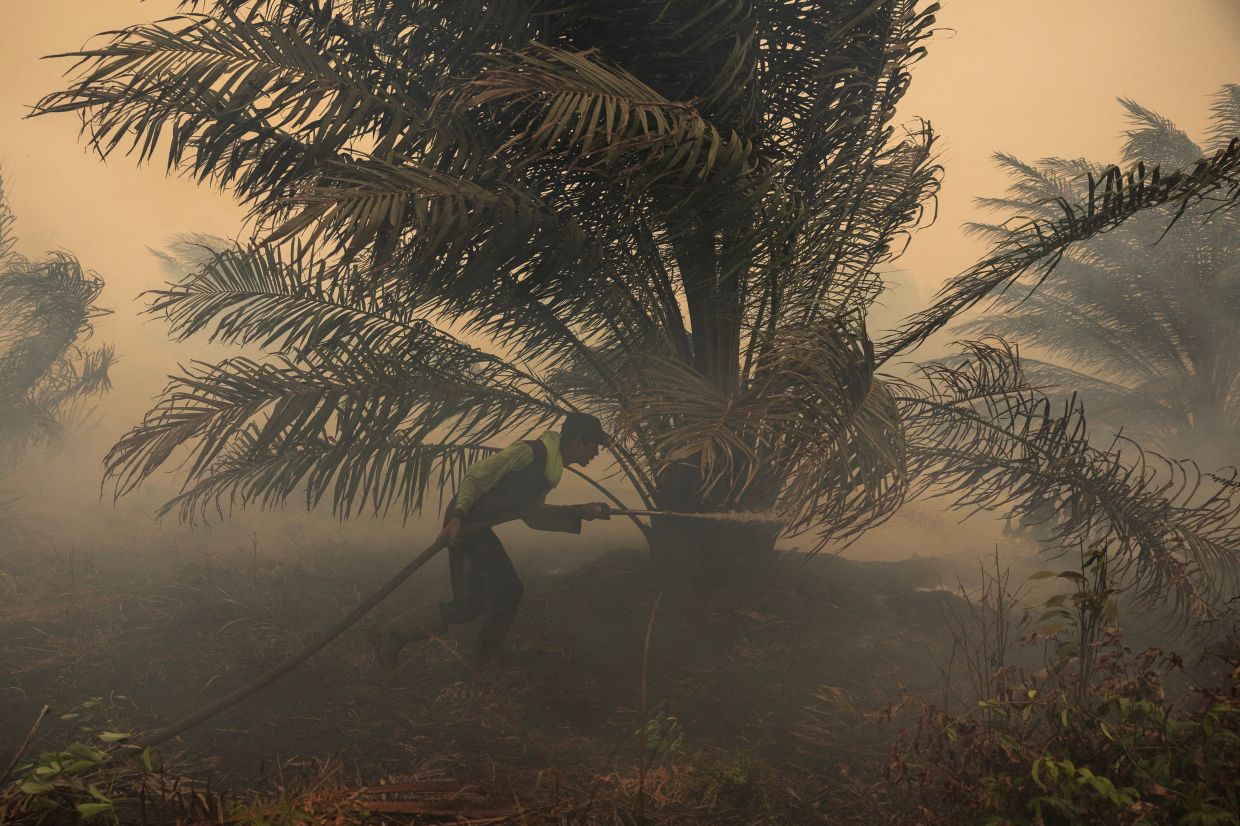
The Indonesian government has accepted Japan's offer of international assistance to combat escalating forest and land fires ravaging Kalimantan, deploying three military helicopters including a Chinook transport aircraft to conduct intensive water-bombing campaigns across the region. The intervention comes as air quality measurements have deteriorated to dangerous levels, with the Air Pollutant Standard Index (ISPU) exceeding 1,000 in several areas and classified as hazardous by environmental authorities.
According to Berton Panjaitan, the acting head of the National Disaster Mitigation Agency's (BNPB) data and information division, the Japanese-supplied helicopters are expected to commence operations from September 10 following completion of preparatory work. Officials are currently conducting site assessments and finalising logistical arrangements specific to water-bombing missions across the affected Kalimantan provinces, with operational protocols being established through direct coordination with Indonesian disaster management authorities.
Environmental monitoring data released over the weekend revealed alarming pollution concentrations in multiple locations. Jekan Raya district in Palangka Raya, Central Kalimantan, recorded an ISPU measurement of 1,108 by late Saturday afternoon, while the South-East Pontianak area of West Kalimantan reached 1,075. These readings far exceed safe thresholds and pose serious health risks to residents, particularly vulnerable populations including children, the elderly, and those with respiratory conditions.
The geographical spread of fire activity has worsened substantially, with disaster management officials documenting 9,242 active hotspots distributed across West, Central and South Kalimantan. Critically, all three provinces experienced significant increases in fire concentrations during the reporting period. West Kalimantan demonstrated the most dramatic surge, with hotspot counts climbing by 1,629 to reach a total of 3,371, representing a concerning acceleration in fire activity. Ground-based fire personnel have simultaneously recorded 171 confirmed fire spots requiring immediate suppression efforts across the three provinces.
The scale of the current crisis reflects the region's vulnerability during dry seasons, when peatlands and forests become highly combustible. Indonesia's disaster response capacity, while substantial, faces geographic and meteorological constraints. The BNPB currently maintains a fleet of 52 aircraft engaged in firefighting operations nationwide, comprising 38 dedicated water-bombing aircraft and 14 planes designated for aerial reconnaissance and cloud-seeding weather modification missions. Despite this significant airborne capability, agencies have already deployed approximately 3.5 million litres of water across six priority provinces, indicating the enormous scale of suppression requirements.
Weather modification operations, which involve cloud-seeding to induce rainfall over fire-affected areas, have achieved mixed results. Agencies reported successful precipitation events across several Sumatran locations, including parts of Riau, South Sumatra, Jambi and Lampung provinces. However, the same technique proved ineffective in Central and South Kalimantan due to insufficient cloud formation, leaving those regions dependent on conventional water-bombing and ground suppression methods during critical periods.
The Japanese intervention represents a significant diplomatic and operational commitment, reflecting regional partnership mechanisms during environmental emergencies. Japan's Self-Defence Forces possess considerable expertise and assets in large-scale firefighting operations, and the provision of advanced aircraft including Chinooks demonstrates Seoul's willingness to contribute substantial military resources to environmental disaster response in Southeast Asia. This cooperation underscores the transnational nature of haze pollution, which affects air quality across borders and requires coordinated multinational responses.
For Malaysian and broader Southeast Asian observers, the escalating Kalimantan fires carry direct implications. Transboundary haze has historically impacted Malaysia's Sarawak and Sabah regions, affecting air quality and public health in affected populations. The current crisis, marked by record ISPU readings and expanding fire zones, signals potential for similar transboundary pollution events. Malaysian authorities typically activate monitoring protocols and prepare public health advisories when Indonesian air quality deteriorates significantly, recognising the predictable meteorological patterns that transport smoke and particulate matter across the region during specific seasons.
The persistence of large-scale forest fires in Kalimantan reflects ongoing challenges in fire prevention, early detection systems, and coordinated response mechanisms across the Indonesian archipelago. While disaster mitigation agencies have expanded aerial firefighting capacity and incorporated international partnerships, fundamental issues regarding land management, agricultural practices, and enforcement of fire prevention regulations continue to require attention. The annual recurrence of severe fire seasons suggests that structural vulnerabilities in land-use governance and environmental protection frameworks remain inadequately addressed despite previous crises and international commitments.
As Japanese helicopters prepare for deployment, Indonesian authorities will simultaneously intensify ground-based suppression efforts and continue weather modification operations where meteorological conditions permit. The coordination of domestic response capacity with international assistance represents the contemporary approach to managing environmental emergencies affecting multiple nations, though long-term solutions require sustained investment in prevention infrastructure and cross-border institutional cooperation to address root causes of fire recurrence and environmental degradation.

