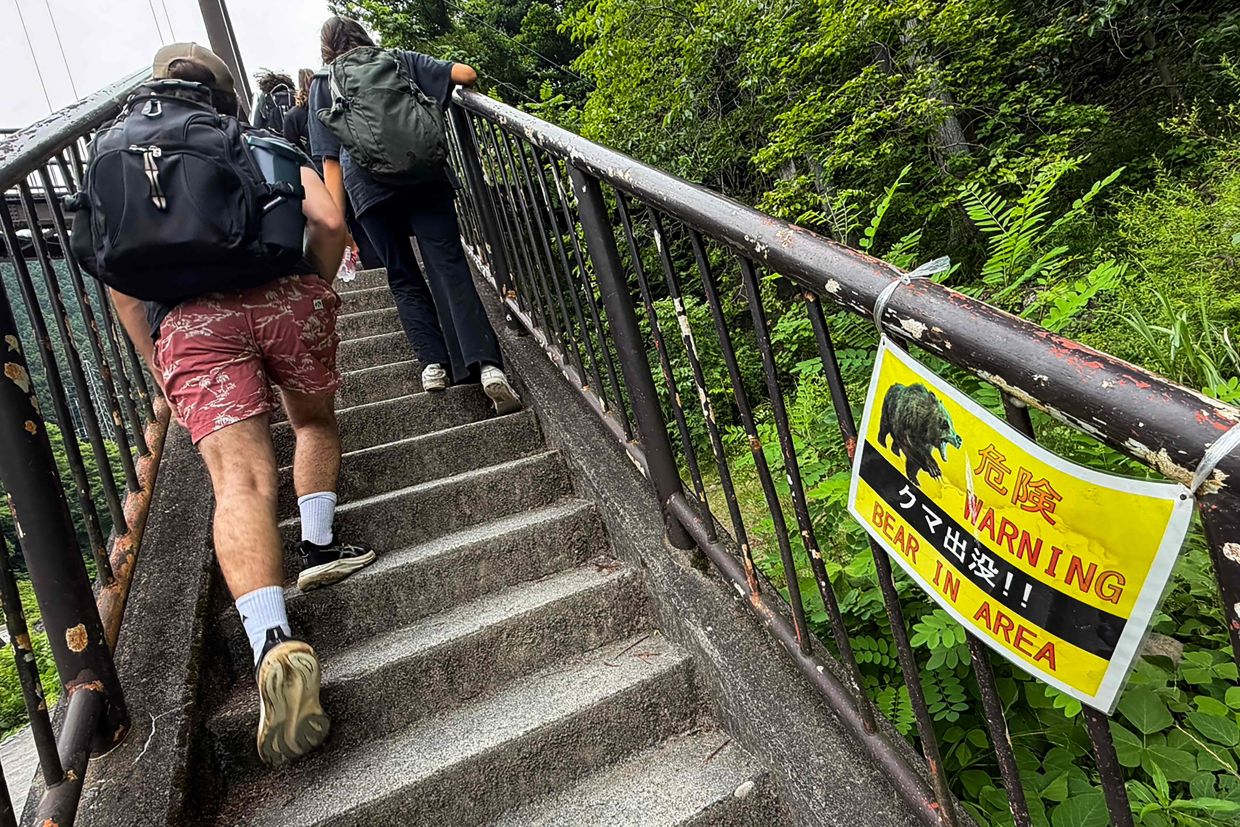
Japan's environment ministry has initiated an ambitious monitoring initiative in response to an escalating bear crisis that has claimed multiple lives and sparked widespread public anxiety across the nation's mountainous regions. Beginning with more than 800 strategically positioned cameras in the northern Tohoku district, authorities aim to gather comprehensive data on bear movements and population dynamics—a departure from the fragmented, localized surveys previously conducted by individual prefectures using inconsistent methodologies.
The timing of this deployment reflects mounting pressure from a brutal spike in fatal incidents. Since April 1 of this year, at least five people have been killed by bears in Tohoku alone, continuing a tragic trajectory established during the previous fiscal year when Japan recorded 13 fatal attacks nationwide—a deeply disturbing record that has alarmed both rural residents and urban populations. The concentration of recent deaths in Tohoku underscores the region's particular vulnerability, though bear encounters are increasingly becoming a nationwide concern extending far beyond traditional mountain communities.
Scientists and environmental analysts attribute the surge in bear-human confrontations to a confluence of demographic and ecological factors. As Japan's rural population continues its decades-long decline, forested areas once managed and patrolled by farming communities have become increasingly wild and unmonitored. This retreat of human presence from mountainous regions has inadvertently created expanded territory for bears to forage and establish new ranges, while simultaneously eroding the traditional knowledge and preventive practices that kept wildlife at safer distances from settlements. The bears themselves have benefited from improved forest conditions and reduced hunting pressure, allowing populations to flourish across regions where they had been suppressed for generations.
The psychological impact on residents in affected areas cannot be overstated. Tohoku has become a landscape of constant vigilance, where national television networks provide daily briefings on bear sightings at shopping centres, public parks, and school grounds. Children attend classes under heightened security protocols, and outdoor activities have become fraught with anxiety. This climate of fear extends beyond immediate danger to reshape community life and restrict freedom of movement in ways not seen since Japan's rapid urbanization accelerated in the post-war decades.
Environment ministry official Yu Takahashi has explained that the new camera network represents a fundamental shift toward systematic, science-based management. Rather than relying on anecdotal reports and disparate local surveys conducted at different times with varying standards, the initiative will establish six priority monitoring zones in Tohoku initially, with plans to expand the programme nationally over the next four years. This phased approach reflects both budgetary realism and the recognition that understanding bear behaviour and population structure is essential to formulating effective long-term policy responses.
The survey methodology itself reveals considerable ingenuity. Researchers will position honey-and-wine mixtures at approximately human head height to lure bears toward the cameras. As the animals rear up on their hind legs to investigate the sweet attractant, the equipment captures distinctive white chest markings unique to individual bears—essentially creating a photographic census that can track population movements and identify patterns in behaviour and migration. This non-invasive approach contrasts sharply with more aggressive culling measures while still generating the population data necessary for informed management decisions.
Parallel to these monitoring efforts, the Japanese public has experienced growing awareness of bear-related risks through both tragic incidents and occasional moments of dark comedy. This week authorities were investigating what may constitute a sixth fatality when a body bearing bite marks was discovered in a mountainous area of Tohoku. Concurrently, a separate incident highlighted the unpredictability of bear spray deployment when a 22-year-old Vietnamese national accidentally discharged anti-bear repellent inside a post office in Nagoya city, sending five people to hospital and resulting in his arrest on obstruction of business charges. Such incidents underscore how deeply bear safety concerns have penetrated into everyday Japanese consciousness and public infrastructure.
Bear incursions into urban areas have become alarmingly frequent. In June alone, authorities spent four days attempting to capture a bear roaming through Utsunomiya north of Tokyo, forcing multiple school closures as hundreds of police, hunters, and municipal officials mobilized to contain the threat. An earlier incident in Fukushima drew particular media attention when a bear described as displaying remarkable intelligence—capable of opening windows and manipulating water taps—attacked four people across two factory facilities before eluding capture for an extended period. These urban encounters represent a qualitative shift in the human-wildlife conflict, moving beyond traditional mountain villages into commercial and industrial zones.
Government authorities have issued comprehensive recommendations to minimize risk, reflecting the understanding that complete elimination of bear encounters is unrealistic given that mountains constitute approximately 80 percent of Japan's total land area. Residents are advised to avoid solo mountain excursions, attach audible bells to backpacks to alert bears of human presence, and carry bear spray containing capsaicin—the pungent alkaloid responsible for chili peppers' distinctive heat. These aerosols, readily available through outdoor retailers, create intense burning sensations that encourage bears to retreat without causing permanent injury, representing a middle ground between human safety and animal welfare concerns.
The broader context reveals how Japan's demographic challenges and land-use patterns are creating environmental consequences that demand innovative policy responses. Unlike densely populated Southeast Asian nations where human settlement tends to compress wildlife into increasingly fragmented reserves, Japan faces the paradoxical problem of vast territories becoming less intensively managed precisely because human populations are withdrawing. This inversion of typical conservation problems—where absence of human activity rather than overexploitation threatens to destabilize ecosystems—offers instructive lessons for the region regarding how aging, contracting societies must reimagine land stewardship and wildlife management. Malaysia and other Southeast Asian countries experiencing rapid urbanization should examine Japan's experience as a cautionary case study about the unintended ecological consequences of demographic transition.

