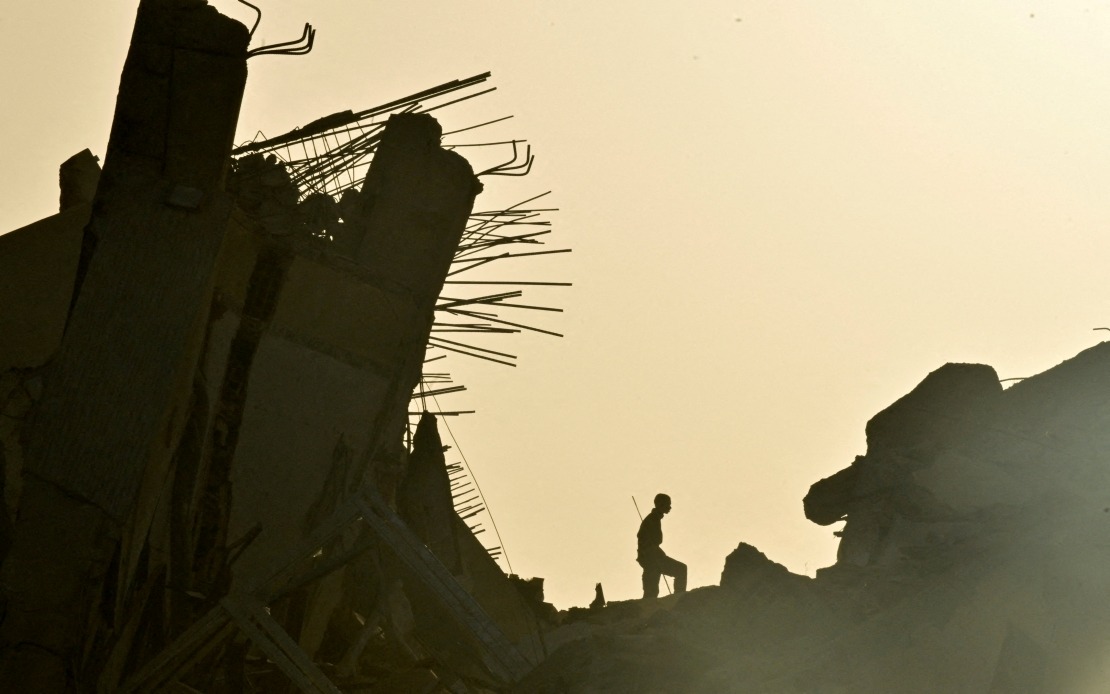
Japan has stepped up its humanitarian response to Venezuela's catastrophic earthquake disaster by pledging US$3.5 million in emergency grant assistance and deploying an additional medical relief team, Foreign Minister Toshimitsu Motegi announced on Friday in Tokyo. The financial commitment represents a substantial show of solidarity with the South American nation as it grapples with the aftermath of the June 24 seismic events, which have claimed more than 3,000 lives and left thousands more injured and displaced across affected regions.
The newly announced funding will be channelled through established international organisations and humanitarian networks, ensuring that resources reach those most in need across Venezuela's devastated communities. The money is earmarked specifically for purchasing food supplies, delivering medical assistance, constructing emergency shelter facilities, and providing other critical necessities to people whose lives have been upended by the natural disaster. This targeted approach allows Japan to support relief operations without duplicating efforts or creating logistical inefficiencies in the complex emergency response environment that Venezuela currently faces.
Beyond the financial contribution, Japan's decision to dispatch a second disaster relief medical team underscores the ongoing medical crisis afflicting the affected areas. The first medical team had already been authorised for deployment on July 1, following Japan's initial decision on June 30 to send emergency relief supplies. The deployment of additional medical personnel reflects Japan's assessment that healthcare needs in the earthquake zone remain critical and likely to persist for an extended period as medical facilities work to manage the injured and prevent disease outbreaks in crowded emergency shelters.
This humanitarian initiative fits within Japan's established pattern of rapid response to international disasters, reflecting both its technical capacity in emergency management and its diplomatic commitment to supporting vulnerable nations during crises. For Venezuela specifically, the Japanese assistance carries particular significance given the country's already fragile humanitarian situation stemming from years of economic crisis, which has weakened healthcare infrastructure and left populations more susceptible to cascading health emergencies following natural disasters.
Motegi's comments emphasising continued Japanese engagement reflect Tokyo's intention to sustain support beyond the immediate crisis phase. He pledged that Japan would remain engaged with affected Venezuelans and committed to working alongside international organisations and humanitarian partners to maximise the effectiveness of the combined global response. This multilateral coordination approach is essential in disaster situations, where fragmented or uncoordinated relief efforts can create gaps in coverage and waste scarce resources.
For Southeast Asian policymakers and observers, Japan's response to the Venezuelan earthquake demonstrates how middle-power nations can exert meaningful humanitarian influence globally, even when geographic distance and competing regional priorities might suggest limited engagement. The speed and scale of Japan's response—from initial relief supplies within six days of the earthquake to financial assistance and personnel deployment within two weeks—illustrates the operational capacity that developed nations can mobilise during humanitarian emergencies.
The magnitude of Japan's commitment also reflects broader patterns in international disaster aid, where wealthy nations increasingly recognise that early intervention, measured in weeks rather than months, reduces long-term humanitarian costs and suffering. By deploying medical expertise quickly, Japan positions itself to help prevent secondary health crises that commonly follow major earthquakes, including disease outbreaks, malnutrition, and mental health deterioration among survivors.
Venezuela's specific vulnerability to the earthquake's consequences relates to the degradation of its public health system in recent years. Many hospitals operate with limited supplies and equipment, making outside medical assistance particularly valuable. Japanese medical teams bring not only personnel but also portable diagnostic equipment, medicines, and treatment protocols that complement Venezuela's own stretched resources.
The announcement also signals Japan's continued commitment to Latin American relations during a period when geopolitical attention often focuses on Asia-Pacific and competition with China for regional influence. By demonstrating responsiveness to humanitarian crises regardless of geographic location, Japan reinforces its identity as a global actor committed to universal humanitarian values, a positioning that carries diplomatic weight in international forums and among countries evaluating their alignment with major powers.
For Malaysia and other ASEAN nations, Japan's approach offers a template for considering how to contribute meaningfully to global humanitarian challenges while maintaining focus on regional priorities. The modular nature of Japan's response—financial aid plus specialist personnel—allows contribution to international relief efforts without overwhelming domestic resources or creating long-term deployment commitments.
The emphasis on working through international organisations also merits attention from Southeast Asian perspectives. Rather than pursuing purely bilateral aid channels, Japan's integration of its assistance within broader international frameworks strengthens coordination mechanisms that benefit all contributing nations. This approach reduces duplication and enhances the coherence of the global humanitarian system upon which all nations, including Malaysia, may depend during future crises.
As Venezuela confronts the immediate aftermath of this disaster alongside its existing economic and social challenges, sustained international support will prove critical to preventing short-term humanitarian catastrophe from calcifying into long-term developmental setback. Japan's commitment, while not solving the country's fundamental structural problems, provides essential breathing room for local authorities to stabilise the situation and begin recovery planning without being entirely overwhelmed by immediate medical and logistical crises.

