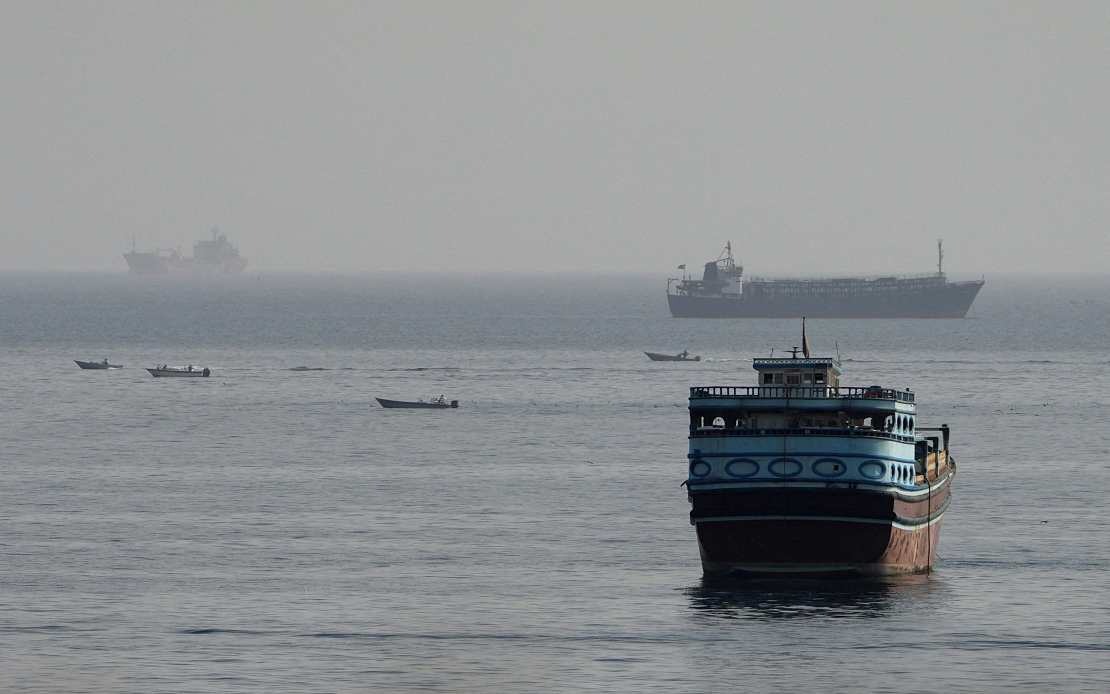
Japanese Prime Minister Sanae Takaichi has made a direct appeal to Iranian leadership not to levy extra charges on vessels passing through the Strait of Hormuz, warning that such action would compound an already severe disruption to one of the world's most strategically important maritime chokepoints. During a telephone conversation with Iranian President Masoud Pezeshkian on Wednesday, Takaichi emphasised that maintaining free and unencumbered passage through the strait remains essential for global energy security and international commerce. The intervention underscores Tokyo's deep anxiety about a waterway through which roughly one-third of the world's traded crude oil ordinarily flows.
The Strait of Hormuz has descended into a state of effective paralysis, caught between escalating geopolitical tensions and the broader fallout from deteriorating relations between the United States and Iran. Negotiations between Washington and Tehran have stalled, leaving the strategic corridor in a precarious limbo. For Japan, a nation heavily dependent on Middle Eastern oil imports to fuel its manufacturing economy, the closure represents an existential economic concern. Tokyo's explicit cautioning against the introduction of transit fees signals anxiety that Iran might weaponise the strait's geographic position to extract concessions or financial gain during these tense negotiations.
Takaichi also communicated serious reservations to Pezeshkian regarding developments at the Bab el-Mandeb Strait, a secondary but increasingly vital waterway located on the opposite side of the Arabian Peninsula. The Iranian President was asked to employ his influence with Tehran-aligned Houthi rebels operating in Yemen, urging them to demonstrate restraint and abandon their confrontational stance. The Houthis declared what they termed a "maritime blockade" in July specifically targeting Saudi Arabian vessels, a move that reflected their alignment with Iran's regional interests and their opposition to Gulf Arab states aligned with Washington.
This intersection of crises along two critical maritime corridors illustrates how regional proxy conflicts have transformed chokepoints into battlegrounds. When the Strait of Hormuz became impassable, shipping traffic sought alternatives, with the Bab el-Mandeb Strait emerging as a crucial bypass route for transporting crude oil and other vital commodities. However, Yemeni authorities reported on Tuesday that Houthi forces had executed an assault on a commercial cargo vessel within the strait, demonstrating their willingness to attack merchant shipping even as they supposedly target only Saudi-flagged vessels. Such violence threatens to extend supply chain disruptions across two waterways simultaneously, amplifying the economic damage for oil-importing nations globally.
For Malaysia and other Southeast Asian economies similarly reliant on Middle Eastern energy supplies, the escalating instability carries profound implications. Prolonged disruptions to either maritime corridor could drive oil prices higher, straining government budgets and manufacturing competitiveness across the region. The diversification of trade routes through the Bab el-Mandeb, while offering temporary alternatives, simultaneously exposes more shipping to attack and unpredictability. Malaysian importers and energy suppliers face mounting uncertainty about supply costs and delivery timelines, complicating long-term planning and investment decisions.
The telephone conversation between Takaichi and Pezeshkian represents Tokyo's fourth direct engagement with Iranian leadership since late February, when the United States and Israel commenced military operations targeting Iran. This frequency of dialogue reflects Japan's distinctive diplomatic position as a close American ally that nevertheless maintains historical channels of communication with Tehran. Rather than adopting a confrontational posture, Tokyo has chosen to engage through quiet diplomacy, leveraging its neutral reputation to advocate for de-escalation and the preservation of international commerce.
The first such conversation occurred in June, establishing a pattern of regular contact despite the turbulent regional environment. Japan's approach contrasts with the more publicly assertive stances adopted by certain Western nations, instead reflecting a traditional Japanese strategy of balancing great-power relationships while protecting its own economic interests. This nuanced diplomacy permits Tokyo to press specific concerns—such as the maintenance of free passage—without abandoning the broader relationship with Iran or appearing to endorse either side of the US-Iran standoff.
The Hormuz transit fees issue touches on a fundamental principle of international maritime law: freedom of navigation through international straits. Should Iran attempt to impose tolls on passage, it would constitute a violation of the United Nations Convention on the Law of the Sea, to which Iran is a signatory. Nevertheless, the precedent of states attempting to monetise their geographic positions during crises remains a persistent concern for maritime nations. Japan's public statement warning against such a step appears designed to establish a clear international norm against fee imposition before any such proposal gains traction.
The Houthi dimension introduces an additional layer of complexity. While the group operates from Yemeni territory and maintains ideological alignment with Iran, attributing all their actions directly to Iranian command would oversimplify a more complicated relationship. The rebels have demonstrated genuine commitment to their stated cause of opposition to Saudi intervention in Yemen, while also accepting support from Iran. Takaichi's approach of requesting Iranian pressure rather than demanding control reflects this reality, acknowledging that Tehran exercises influence but not absolute command over the group's operational decisions.
Looking forward, the effectiveness of Japan's diplomacy remains uncertain. Iran faces enormous pressure from economic sanctions and military threats, potentially creating incentives to explore unconventional revenue sources. The Houthis, meanwhile, have demonstrated willingness to persist with maritime attacks despite international criticism. Yet Takaichi's intervention at least places Japan's position firmly on the record and attempts to reinforce international consensus against further escalation. For regional economies like Malaysia's, the outcome of these quiet diplomatic efforts could significantly determine whether energy prices stabilise or spiral higher in coming months.

