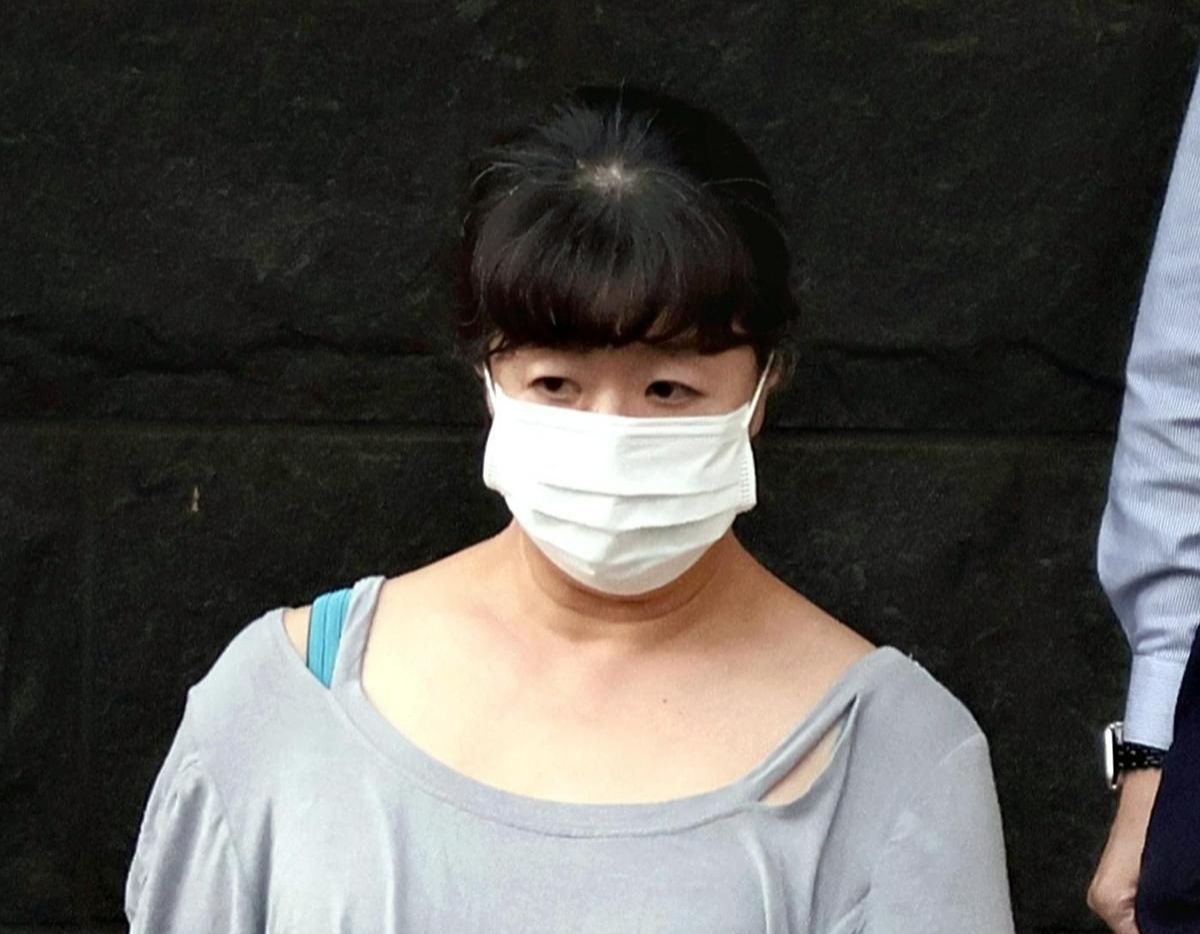
Authorities in Chiba Prefecture have arrested a midwife on suspicion of causing a patient's death through deliberate contamination of medical equipment. Miyuki Furukawa, 51, was taken into custody on Wednesday, July 15, after investigators determined she had allegedly tampered with an intravenous tube at Kashiwa Tanaka Hospital during early morning hours on January 30.
The victim was a 75-year-old man from Toride in neighbouring Ibaraki Prefecture. According to Chiba prefectural police, Furukawa is suspected of introducing faecal matter into the extension tube of the patient's IV drip at approximately 3.55am on that date. The patient subsequently deteriorated and died roughly 19 hours later, at around 10.30pm on January 31. The precise cause of death and medical circumstances remain under investigation by authorities.
Furukawa faces a murder charge, representing one of the most serious allegations in Japan's healthcare system in recent years. The arrest marks a significant breach of trust within the medical profession, where patient safety protocols and staff conduct are typically held to the highest standards. Japanese hospitals generally maintain rigorous oversight of clinical procedures and access to patient care areas, making such an alleged transgression particularly alarming to health administrators and the public.
The investigation into Furukawa's motives is ongoing, with police examining her relationship to the patient, any workplace grievances, and psychological factors that may have contributed to the alleged act. Understanding why a qualified medical professional would commit such an act remains central to the case, and authorities have not yet disclosed whether Furukawa has provided statements regarding her suspected actions.
For Malaysia and Southeast Asia more broadly, this case underscores the importance of healthcare institutions implementing comprehensive security measures and staff monitoring protocols. While criminal behaviour by medical professionals remains rare, systematic vulnerabilities in hospital environments—particularly around medication administration and IV line management—warrant careful review across the region's healthcare sector.
The alleged contamination of an IV line represents a method of harm that would be extraordinarily difficult to detect without proper oversight and monitoring. Most hospitals depend on staff accountability and ethical conduct, with fewer physical barriers preventing access to patient equipment during overnight hours when staffing levels are typically lower. This case may prompt regional hospitals to reassess access controls and introduce additional safeguards around vulnerable patients and critical equipment.
In Japan, such incidents trigger immediate systemic reviews. Healthcare facilities nationwide will likely examine their own monitoring procedures, staff training protocols, and patient protection measures. The case also raises questions about screening procedures for healthcare workers and whether psychological evaluations or background checks could identify individuals prone to such behaviour.
Furukawa's alleged actions represent not only a criminal matter but a profound institutional failure. Hospitals must balance operational efficiency with patient protection, and the trust patients and families place in medical institutions depends on the integrity of all personnel involved in care delivery. This arrest will inevitably affect public confidence in the affected hospital and may influence how Japanese health authorities approach workplace conduct oversight.
The incident occurred in winter 2024, though the arrest came months later following investigation. This timeline raises questions about how the contamination was detected and what prompted suspicion to focus on Furukawa specifically. Whether the patient's family raised concerns about unusual circumstances, or whether routine investigation of the patient's death uncovered evidence, remains unclear from police statements to date.
As the investigation continues, the Chiba prefectural police will need to establish clear forensic and circumstantial evidence supporting the allegations. The prosecution will bear responsibility for proving beyond reasonable doubt that Furukawa committed the act deliberately and with the intent to cause harm or death, distinct from negligence or recklessness. Such high-profile cases in Japan's judicial system typically proceed methodically, with careful documentation and expert testimony regarding medical causation.
The case serves as a sobering reminder that healthcare workers, despite their professional training and ethical codes, remain capable of committing serious crimes. Southeast Asian health systems, many of which operate with limited resources and staff oversight, should consider whether similar vulnerabilities exist within their own institutions. Implementing technology-based monitoring, enhancing staff vetting procedures, and establishing clear accountability chains can help protect patients from potential harm by individuals within the healthcare system itself.

