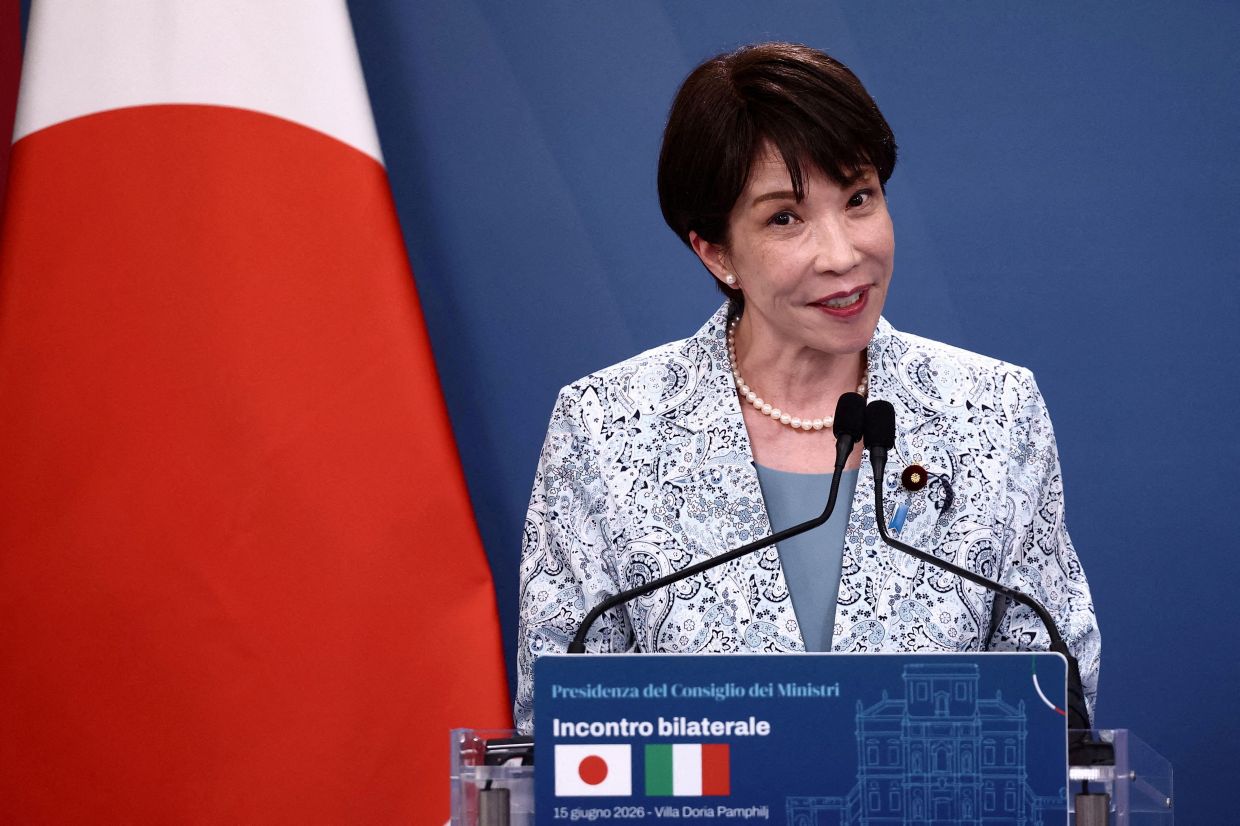
Japanese Prime Minister Sanae Takaichi's government has crossed a significant political threshold, with her approval rating dipping below the 50 per cent mark for the first time since her administration came to power in October. The Jiji Press survey released on Thursday put backing for her cabinet at 49 per cent, a development that signals potential vulnerability heading into the second half of her tenure at Japan's helm.
The erosion of public support has been uneven across demographic groups, with the most dramatic shift occurring among voters in their 60s. This age cohort, which had buttressed Takaichi's coalition with 63.7 per cent approval just a month earlier, withdrew significantly to register only 39.9 per cent support in the latest polling. The sharp reversal among older voters—traditionally a reliable constituency for conservative politicians in Japan—suggests that concerns about specific policies or governance approaches are resonating particularly strongly with this segment of the electorate.
When voters do express disapproval of her administration, the reasons given paint a picture of mounting dissatisfaction. Respondents citing opposition to Takaichi's government frequently mention that they "cannot hope for much" from her leadership, a phrase that captures broader pessimism about her ability to deliver tangible results. Beyond this general loss of confidence, criticism focuses on what voters characterise as "poor policies," though polling data does not specify which particular initiatives generate the most concern among this group.
Takaichi's path to the premiership and her early months in office appeared promising by most conventional political measures. She made history as Japan's first female prime minister, a symbolic achievement that generated considerable media attention both domestically and internationally. Her February electoral victory in lower house snap elections appeared to validate her political standing, with her coalition securing what observers described as a resounding mandate from voters. A significant part of her appeal during the campaign centred on her relatability and diplomatic sophistication, qualities that proved particularly persuasive to younger Japanese voters seeking a break from conventional political approaches.
Yet that electoral triumph concealed emerging fissures that have widened in subsequent months. Takaichi's November statement suggesting that Tokyo might be willing to intervene militarily should Taiwan face attack has reverberated through regional diplomacy with considerable force. China, which regards Taiwan as a breakaway province and a core component of its national sovereignty, has grown notably more critical of Japan's strategic posture. The statement effectively raised the political cost of her tenure by introducing an element of tension into what had been a relatively stable bilateral relationship, and it signalled a potential shift in Japan's military thinking that carries implications for the broader Asia-Pacific security landscape.
Domestically, Takaichi has also confronted organised intellectual opposition to her legislative agenda. Early this month, a coalition of nearly 150 Japanese academics issued a formal petition to lawmakers expressing their concerns about a bill she has championed that would establish criminal penalties for desecrating Japan's national flag. The academics' intervention represents an unusual and fairly rare instance of Japan's scholarly community mobilising collectively to oppose a government initiative, suggesting that the proposal has triggered genuine unease among intellectuals and civil liberties advocates who fear potential implications for freedom of expression.
For Malaysia and other Southeast Asian nations closely monitoring Japan's political trajectory, these developments carry particular significance. Takaichi's willingness to articulate stronger positions on Taiwan and security matters reflects a broader reassessment of Japan's strategic role in the region. Her government's direction could influence how Japan engages with Asean counterparts on regional security architecture, economic partnerships, and the management of China-related issues that cut across Southeast Asia. The domestic political pressure she now faces may constrain her ability to pursue ambitious foreign policy initiatives or maintain the diplomatic activism that characterised her early months.
On the positive side for Takaichi's administration, Japan has experienced a welcome deceleration in inflation during recent months. The moderating price environment represents a genuine policy achievement, particularly given that sharp and sustained price increases directly contributed to the political downfall of her two predecessors, who departed office in rapid succession amid public frustration over cost-of-living pressures. If inflation continues its downward trajectory, this economic stabilisation could eventually provide ballast for her approval ratings, potentially reversing some of the recent losses among older voters concerned about household finances.
The challenge ahead for Takaichi involves managing multiple pressure points simultaneously. She must navigate ongoing criticism over her security posture toward Taiwan without damaging Japan's strategic interests or regional relationships. She must also calibrate her approach to the flag desecration bill, weighing her political commitments against the substantive concerns raised by respected academics and civil liberties organisations. Simultaneously, she will hope that continued economic improvement can rebuild the public confidence that appears to have eroded across key voter demographics, particularly among the older cohorts whose support represents a traditional pillar of conservative political strength in Japan.

