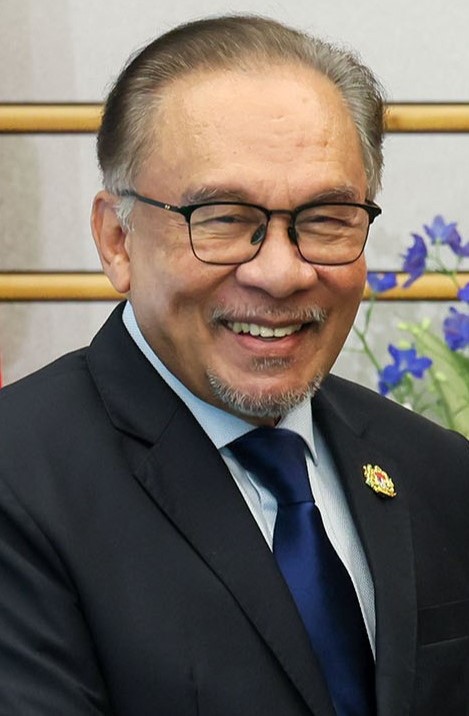
Dr Haim Hilman Abdullah, the assemblyman representing Jitra, is set to make a court appearance at the Seremban magistrate's court to address charges stemming from allegations concerning university admission claims he previously articulated. The judicial proceedings mark a significant development in a matter that has drawn attention to statements made by the Kedah-based politician regarding higher education access and enrollment procedures.
The charges against the elected representative relate specifically to claims he had made about pathways into Malaysian universities. Such matters involving public figures and statements about education access carry considerable weight in Malaysia's political landscape, where issues affecting student placement and university admissions resonate with voters and families seeking educational advancement for their children.
This case represents an important intersection between political speech and legal accountability. When public officials make claims about educational systems and opportunities, their statements can influence public perception and may carry implications for how ordinary Malaysians understand the mechanisms governing university entrance. The proceedings underscore the judiciary's role in examining the veracity and propriety of such public assertions.
Higher education access has remained a contentious issue throughout Malaysia, with ongoing discussions about merit-based admissions, quota systems, and the capacity of institutions to accommodate growing student populations. Politicians frequently engage with these subjects, making statements intended to reassure constituents or address grievances about perceived unfairness in selection processes. The charges against Dr Haim Hilman suggest that boundaries exist regarding what claims elected representatives may publicly assert without legal consequences.
The Seremban magistrate's court jurisdiction over this matter is notable, as it reflects the procedural pathway through Malaysia's legal system for cases of this nature. Magistrate courts typically handle first-instance proceedings in criminal matters, and such appearances often set the tone for how cases progress through the judiciary. The court's examination of these allegations will likely establish important precedent regarding political accountability for education-related statements.
For Jitra constituents, this development introduces uncertainty regarding their representative's availability and focus. Assembly business requires the engagement of elected officials, and legal proceedings necessarily demand time and attention. The timing and duration of any prosecution could affect Dr Haim Hilman's ability to serve his constituents' interests during critical periods of legislative work or community advocacy.
The broader implications extend to how Malaysian politicians approach communication about sensitive policy areas. Education, in particular, touches every family and household in the nation, making statements about admission processes inherently high-stakes. This case may prompt elected representatives to exercise greater caution when discussing university access, potentially affecting the public discourse around educational opportunity and equity.
In Kedah specifically, where Jitra sits, questions about institutional access and social mobility through higher education reflect statewide concerns. The state has experienced demographic changes and economic shifts that directly influence how young people access tertiary education. Political representatives typically engage actively with these community preoccupations, and charges related to education claims may resonate across the state's constituency base.
The allegations touching on university admission also intersect with Malaysia's broader educational equity debates. Issues surrounding Bumiputera quotas, merit versus affirmative action, and institutional capacity continually surface in political discourse. When public figures make claims about these mechanisms, their words can either clarify or confuse public understanding, potentially influencing both electoral sentiment and policy discussions at state and federal levels.
Dr Haim Hilman's court appearance will be closely watched by political observers, constituent groups, and education advocates who track how the justice system addresses allegations involving political speech. The outcome may shape how Malaysian politicians communicate about higher education access moving forward, potentially establishing clearer boundaries between permissible political commentary and actionable legal violations.
The Seremban magistrate's court proceedings also reflect Malaysia's system of judicial independence and accountability mechanisms. Regardless of a public figure's political status, the court system processes charges according to established legal procedures, demonstrating that elected representation does not shield individuals from legal examination when allegations arise concerning their public statements or conduct.