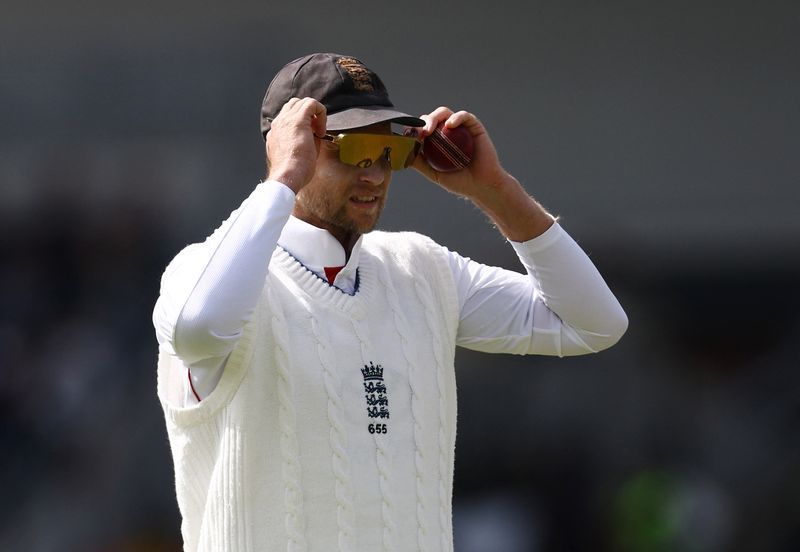
England's cricket team faces mounting pressure to address a pattern of off-field misconduct that has embarrassed the national side and raised questions about discipline within the squad. Following the latest incident involving fast bowler Brydon Carse at a nightclub, captain Joe Root has expressed deep frustration, declaring himself "hacked off" and disappointed by what he characterised as repeated poor judgement by team members away from the playing field.
Carse, the 31-year-old pace bowler, was dropped from the squad for Thursday's second test against Pakistan at Lord's after social media videos appeared to show him in police custody during a nightclub encounter. The cricketer was briefly arrested but subsequently released without charges being filed. Nevertheless, the Cricket Regulator has launched an independent investigation into whether Carse breached the England and Wales Cricket Board's code of conduct, signalling that organisational consequences will follow regardless of legal outcomes.
This latest episode represents the third or fourth significant nightclub-related incident involving England cricketers in recent months, a clustering that has sparked genuine concern about team culture and player behaviour. Earlier incidents involved batsmen Harry Brook and Ben Duckett, pace bowler Gus Atkinson, and former captain Ben Stokes, whose involvement in such matters contributed to his decision to step away from international cricket. The accumulation of these incidents has drawn critical scrutiny not just from media observers but from within the sport itself, with commentators questioning whether the team's approach to player welfare and discipline has been sufficiently robust.
Root, who returned to the captaincy after Stokes' retirement, articulated his frustration in measured but pointed language during media engagement on Tuesday. He emphasised that the problem extends beyond any single incident, suggesting instead a systemic issue rooted in the repetition of errors in judgement. His particular frustration stemmed not from isolated lapses but from what he described as a pattern of behaviour that undermines the collective effort of the team on the cricket field. By framing the issue this way, Root highlighted how off-field distractions can poison the overall environment and detract from sporting achievements.
Despite the challenging circumstances, England had demonstrated strong form in the opening test against Pakistan, securing victory by an innings and 103 runs. This positive result makes the subsequent distraction particularly frustrating for Root and the broader management structure, as it suggests the team possesses the talent and cohesion necessary to compete effectively at international level. The contrast between on-field success and off-field challenges underscores the complexity of modern team management, where talent alone proves insufficient without appropriate behavioural standards.
Root has confirmed he has held discussions with Carse since the incident became public. He revealed that his initial concern centred on the player's wellbeing as an individual rather than purely on the cricket implications. Root characterised Carse as genuinely remorseful and understanding of the seriousness of his actions, suggesting the bowler recognises the impact of his behaviour on the team's reputation and environment. This personal dimension indicates Root's commitment to balancing accountability with pastoral care, though it remains to be seen whether such an approach will prove sufficient to arrest the pattern of incidents.
The wider cultural issue at play reflects challenges facing elite sports teams globally, where the intensity of professional cricket and associated lifestyle stresses can sometimes translate into poor decision-making during downtime. For a team competing in demanding test match conditions, the mental and physical exhaustion can create circumstances where judgement becomes compromised. Yet Root has made clear that this explanation, while perhaps understandable, cannot be accepted as justification. He has articulated a vision of England cricket where players understand that wearing the national colours carries responsibilities extending beyond match performance.
Root outlined his ambitions for establishing stronger cultural foundations within the squad, acknowledging that such transformation requires time and sustained commitment rather than immediate overnight change. He indicated that frank conversations have already taken place within the team regarding expectations, the privilege of international representation, and the requirements for belonging to the England setup. These conversations presumably included discussion of off-field conduct standards, though their effectiveness will ultimately be measured through subsequent player behaviour rather than mere words exchanged in team meetings.
The decision to replace Carse with Sonny Baker for the second test sends a clear signal about consequences, though the cricketer retains the opportunity to rehabilitate his standing through future conduct. This approach balances the need for accountability with recognition that young players deserve pathways to redemption. However, repetition of such incidents could force harder institutional responses. The Cricket Regulator's investigation adds an additional layer of scrutiny and potential sanction, ensuring that formal governance processes operate independently of team management considerations.
For Malaysian and Southeast Asian cricket observers, this situation underscores the professional standards now expected at the highest levels of the sport. Cricket boards across the region increasingly grapple with similar discipline questions as their own teams achieve greater international competitiveness. Root's public acknowledgement of the problem and commitment to cultural reform provides a template, though also serves as a cautionary tale about the challenges of maintaining standards in increasingly commercialised professional environments.
England will continue their Pakistan series with the second test at Lord's followed by a third fixture in Birmingham next month. These matches will provide opportunity for the team to demonstrate whether Root's stated commitment to cultural change translates into substantive behavioural shifts. The squad's performance across both cricket and conduct will ultimately determine whether this moment represents a genuine turning point or merely another uncomfortable episode in an ongoing narrative of off-field difficulties.

