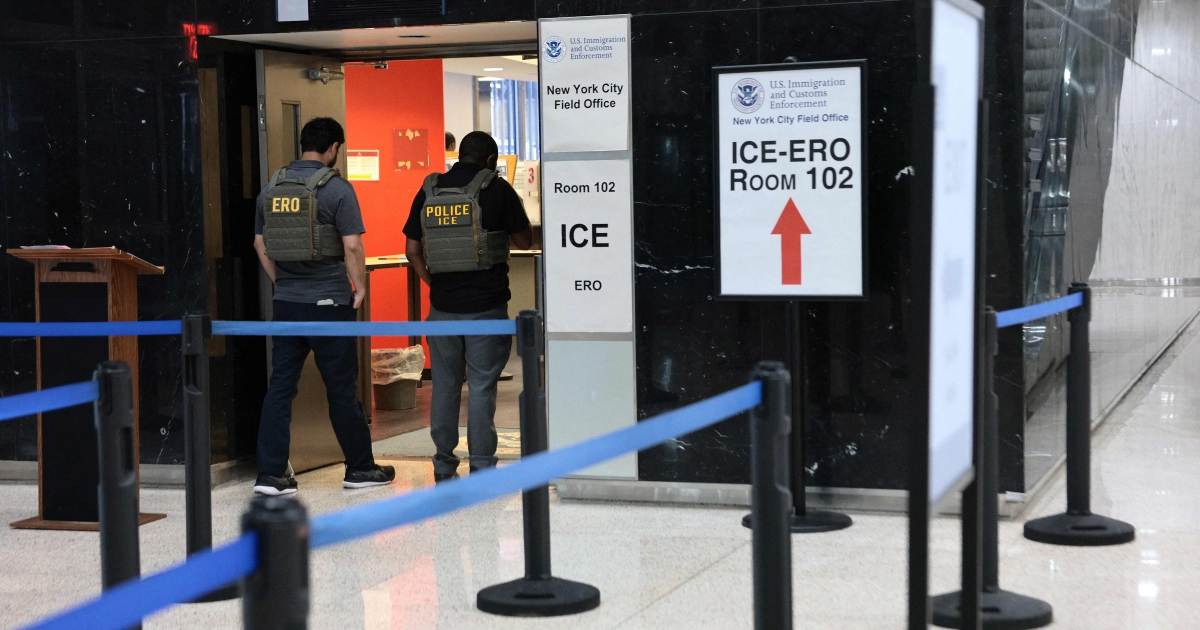
The arrest of a Johns Hopkins University researcher at a major American airport underscores a dramatic escalation in immigration enforcement by President Donald Trump's administration, with Immigration and Customs Enforcement agents significantly ramping up detentions at travel hubs across the country. The incident occurred as the researcher attempted to board a domestic flight, highlighting how enforcement sweeps are affecting citizens and authorized residents in routine travel scenarios, not merely border crossings.
The surge in airport arrests marks a notable shift in enforcement strategy and visibility. Rather than concentrating resources solely on international borders or targeted workplace operations, ICE has intensified presence at domestic aviation terminals, creating widespread ripple effects across American society. This approach captures heightened media attention and public awareness, particularly when it involves academics and professionals with institutional affiliations.
Johns Hopkins University, based in Baltimore, Maryland, is one of America's leading research institutions with substantial federal funding and international academic partnerships. The detention of one of its researchers raises questions about how immigration enforcement intersects with the nation's scientific and educational sectors. Universities across the United States have expressed concern about how enhanced immigration enforcement might affect foreign-born researchers, graduate students, and faculty members who form a critical component of American research infrastructure.
The timing of intensified airport enforcement reflects the Trump administration's prioritization of immigration control as a central policy objective. The administration has signaled that no segment of the population or class of traveler is exempt from scrutiny, including those with established institutional credentials and legal authorization to work. This broader approach differs from previous administrations' focus on specific enforcement priorities or risk-based targeting.
Airports represent particularly visible enforcement locations, as thousands of individuals pass through security checkpoints daily. The presence of immigration agents at these facilities has become more prominent, with reports indicating increased stops and document verification procedures. Travelers now face the prospect of immigration questioning during routine domestic flights, an experience previously less common for authorized residents and citizens.
The implications for Southeast Asian communities in the United States warrant consideration. Many professionals and researchers from Malaysia, Singapore, and other regional nations maintain visa status or green cards that require careful documentation. Stories of enforcement actions against otherwise lawful residents may prompt anxiety among diaspora communities and potentially influence decisions about travel or extended stays abroad. Educational institutions and employers sponsoring international talent face new uncertainties regarding their ability to retain and attract skilled workers.
The arrested researcher's exact legal status and circumstances remain significant factors. Whether she was a citizen, visa holder, or permanent resident would affect the justification and legality of the detention. The incident raises procedural questions about what triggers immigration enforcement action during domestic travel, where constitutional protections should apply differently than at borders. Civil liberties organizations have begun challenging some detention practices, arguing they exceed legal authority in certain contexts.
Universities have become vocal advocates regarding these enforcement actions, concerned about their impact on institutional capacity and international competitiveness. Research institutions depend substantially on attracting global talent, and perceived uncertainty around immigration status affects recruitment and retention. Some universities have begun strengthening legal support services for international faculty and students, anticipating further enforcement activity.
The broader context involves political debate over immigration policy's scope and intensity. Supporters of stricter enforcement argue that comprehensive approach deters unauthorized presence throughout the country, while critics contend that expansive tactics create chilling effects on lawful immigration processes and damage America's global standing as a welcoming destination for talent and innovation.
For Malaysian and Southeast Asian professionals in the United States, these developments introduce new considerations when planning travel or career decisions. The situation underscores the importance of maintaining meticulous immigration documentation and understanding current enforcement climates. Regional governments and business chambers have begun advising citizens about navigating heightened scrutiny when traveling to America.
The incident also highlights tensions between national security objectives and institutional interests. American universities and research institutions have invested heavily in establishing themselves as global innovation hubs, attracting researchers from every nation. Enhanced enforcement at airports and throughout the country creates friction with these institutional goals, raising questions about how policy implementation affects broader national interests beyond immigration control itself.
Longer-term implications may include changes to how institutions screen international recruitment, increased administrative costs for visa sponsorship compliance, and potential loss of attracting top-tier global researchers. These effects would reverberate through competitive dynamics with other developed nations, particularly as rival countries actively court international scientific talent who may perceive America as increasingly inhospitable.

