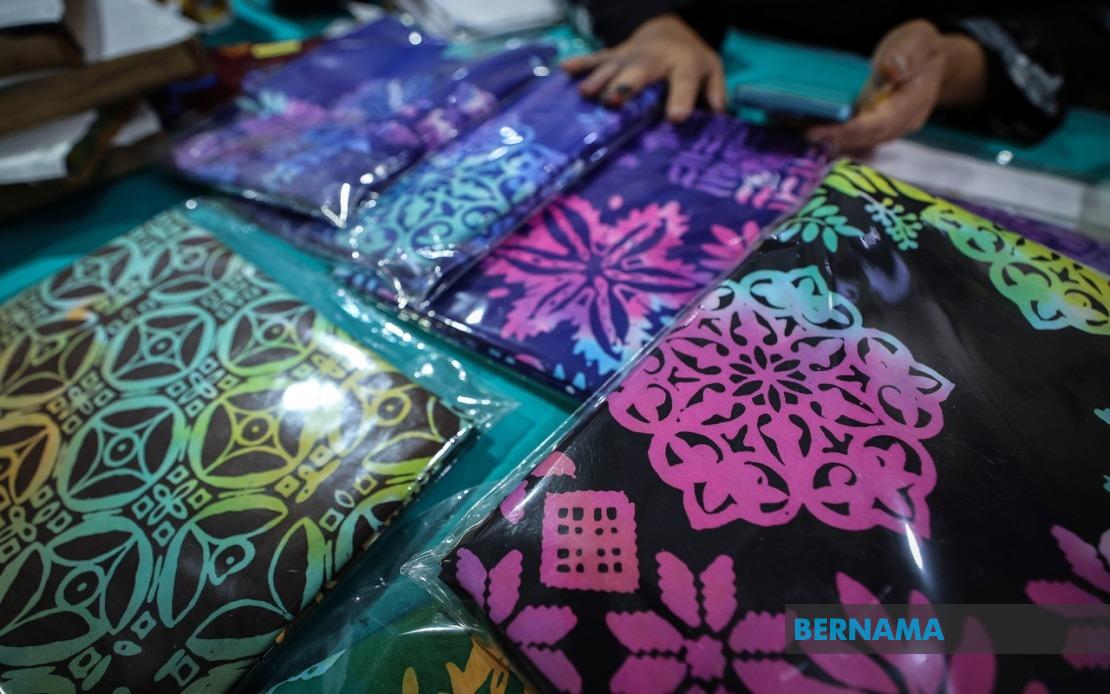
Batik production, long synonymous with Malaysia's East Coast states, is finding fresh expression in Johor, where a new generation of textile artisans is anchoring their craft to the state's distinctive environmental landscape and historical legacy. Rather than mimicking established regional styles, Johor-based batik makers are forging an independent identity through designs rooted in local flora, maritime geography, and cultural symbols unique to the state. This deliberate differentiation strategy is helping the craft establish market presence both domestically and internationally, with growing recognition at national festivals and interest from neighbouring Singapore.
The distinctive visual vocabulary of Johor Batik draws from elements deeply woven into the state's identity. Motifs incorporating black pepper and gambir—historically significant trade commodities that shaped Johor's economy—sit alongside imagery derived from mangrove ecosystems and coral reef environments. Tiger-stripe patterns reference cultural heritage, while regional variations further strengthen local character: Muar and Pontian districts feature the berembang tree and pineapple imagery, while Kota Tinggi and Sedili designs emphasise maritime elements reflecting those communities' relationship with the sea. This geographic specificity transforms batik from generic textile art into a form of cultural cartography, allowing consumers to wear narratives of place and identity.
At the centre of Johor's batik revival stands Maimunah Yaacob, whose three-decade commitment to the craft has been instrumental in establishing the state's credentials as a serious textile production centre. Beginning with foundational training in Terengganu's batik heartland during 1993, Maimunah subsequently completed advanced instruction in Kuala Lumpur before launching her enterprise with minimal capital of RM2,000. Operating Ranorm Batik Creation from Kampung Singapura in Tanjung Sedili, she has navigated the challenging early years when public appreciation for the craft remained limited, maintaining her vision through product differentiation and unwavering commitment to artistic integrity.
Maimunah's business philosophy emphasises distinction through design innovation, recognising that market saturation demands visual differentiation rather than imitation. Her strategic focus on creating patterns unavailable elsewhere positioned Johor Batik as a specialist product rather than a commodity item, a positioning that has proven commercially sustainable despite intense competition from industrialised printing methods. This approach reflects sophisticated understanding of contemporary consumer behaviour: quality and uniqueness command premium pricing where standardised products cannot.
Authenticity remains central to Johor Batik's identity and market positioning. The traditional canting and hot-wax production methods Maimunah employs deliver a distinctive quality—even pigment penetration through fabric—that machine-printed alternatives cannot replicate. This technical superiority translates into tangible consumer value: hand-made batik exhibits superior durability and aesthetic depth, justifying price points ranging from RM35 for headscarves to several hundred ringgit for silk attire sets. Maimunah's insistence on maintaining these labour-intensive techniques, despite manufacturing pressures, represents a principled stance on craft preservation and product integrity.
Market validation for Johor Batik has materialised through multiple channels, demonstrating growing institutional and consumer recognition. Participation in events such as the National Craft Day celebration in Kuala Lumpur and the Johor Craft Festival has elevated visibility among culturally conscious consumers and tourism markets. More significantly, international interest from Singapore indicates that Johor's textile products are transcending regional boundaries and competing successfully in neighbouring markets where design sophistication and cultural authenticity command premium valuations.
Product range expansion represents a strategic adaptation to demographic market realities. While heritage designs attract collectors and culturally motivated buyers, Maimunah recognises that younger consumers require contemporary styling and casual wear options to engage with the craft tradition. This intergenerational bridge-building—maintaining artistic integrity while embracing accessible styling—offers pathways for sustained growth and cultural transmission. The tension between heritage preservation and market relevance requires constant negotiation, yet successful resolution enables craft traditions to remain economically viable rather than becoming museum artefacts.
The broader significance of Johor's batik development extends beyond individual enterprise success to questions of regional economic diversification and cultural identity. As Malaysia positions itself as a destination for authentic cultural tourism and high-value artisanal goods, states beyond the established East Coast batik corridor offer competitive advantages: distinctive design languages, emerging market reputations, and connections to unexploited cultural narratives. Johor's textile sector development demonstrates that craft traditions need not be geographically static; new centres can emerge where entrepreneurial vision meets cultural resources and market opportunity.
Looking forward, Maimunah identifies institutional support and structured training programmes as critical to scaling the sector while ensuring quality preservation. Formal educational pathways addressing batik production could accelerate generational knowledge transfer, particularly among younger Malaysians seeking culturally rooted entrepreneurial ventures. Government support through craft development initiatives, market linkage programmes, and artisan incubation could strengthen Johor's competitive position while creating sustainable livelihoods in rural textile production. The sector's current trajectory suggests that with strategic nurturing, Johor could establish itself as a significant batik production centre distinct from, rather than subordinate to, East Coast traditions.
Johor Batik's emergence represents a microcosm of broader cultural economy dynamics within Malaysia's states. By anchoring textile design to specific environmental and heritage contexts, artisans are creating products that transcend commodity status to become cultural ambassadors for their regions. For consumers, each piece narrates place-specific stories. For producers, this narrative richness justifies artisanal methods and premium pricing. As Southeast Asian economies increasingly value cultural authenticity and sustainable heritage crafts, Johor's textile sector demonstrates viable pathways for tradition-rooted economic activity that honours both artistic integrity and contemporary market realities.

