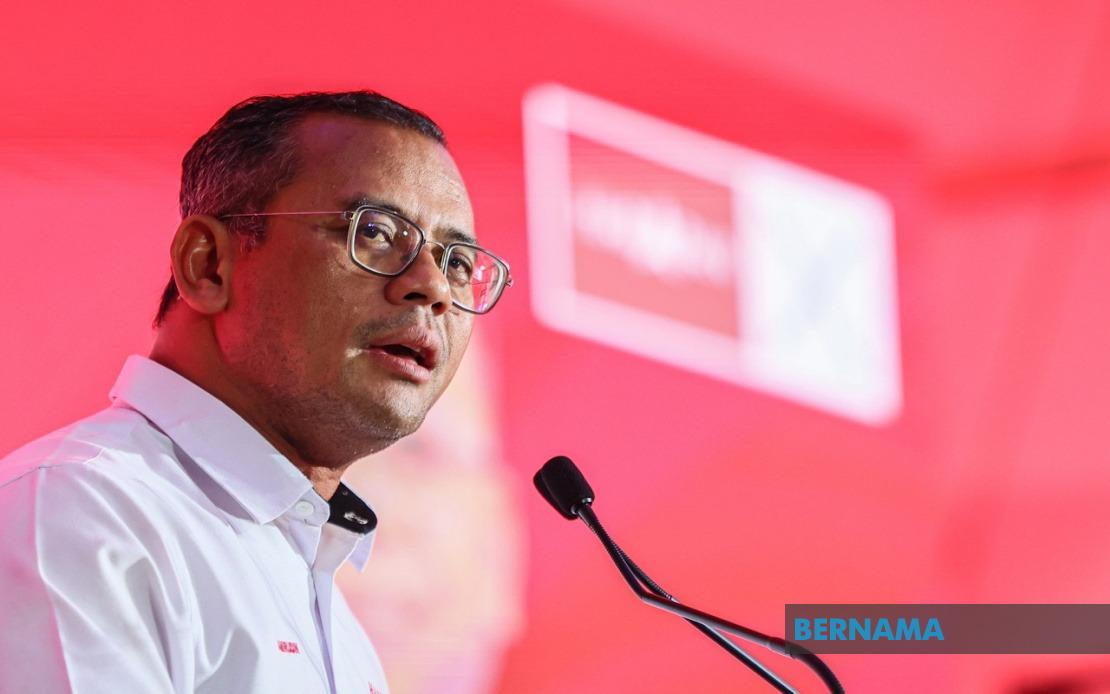
PKR vice-president Datuk Seri Amirudin Shari has pushed back against suggestions that Pakatan Harapan's policy platform for the 16th Johor State Election draws substantially from competing parties, asserting instead that the manifesto represents the culmination of extended deliberation among senior coalition figures. Speaking in Kluang on July 3, Amirudin emphasised that PH's electoral agenda emerged through a structured internal process rather than external copying, rejecting what he characterised as unfounded criticism of the coalition's development methodology.
The PH machinery director for Johor pointed to specific policy commitments including subsidised residential construction and expanded healthcare provisions as evidence of original coalition thinking. He highlighted that such initiatives reflected months of careful analysis by the PH leadership team following indicators that a state election would be conducted. Rather than accepting the accusation at face value, Amirudin presented the manifesto as grounded in factual research and strategic planning internal to the coalition's institutional apparatus.
Addressing concerns raised by detractors regarding the feasibility of PH's housing construction objectives, Amirudin reframed the discussion around genuine community demand rather than political overambition. He noted that the Selangor state government, where he serves as Menteri Besar, has already greenlit construction of 174,000 affordable housing units, with 40,000 already completed. This track record, he suggested, demonstrated that PH's commitment to residential solutions was not merely rhetorical but supported by tangible governmental experience and resource allocation.
Amirudin characterised the housing target as deliberately ambitious precisely because demographic needs are substantial rather than marginal. He explained that policy figures emerged from systematic engagement with grassroots communities, including surveys and focus group sessions with the coalition's ground-level teams. The manifesto commitments, he maintained, were determined by necessity assessments rather than capacity constraints, establishing a framework where achievement would follow naturally from prioritising genuine requirements over perceived limitations.
The PKR leadership delegation present at the Kluang event included R. Ramanan, also PKR vice-president, alongside Amanah secretary-general Faiz Fadzil and three PH candidates representing the Machap, Benut, and Layang-Layang state seats—Nur Hafiz Roslan, Abd Razak Ismail, and Guna Balakrishnan respectively. This collective presence underscored the coalition's united stance on the manifesto question, signalling institutional backing for Amirudin's assertions regarding the platform's legitimacy and collaborative origins within PH structures.
Campaign feedback at the grassroots level has reportedly been encouraging, according to Amirudin's assessment of PH's electoral operations across Johor. He suggested, however, that voter sentiment visible in public campaign interactions likely understates actual support levels, implying that many citizens remain cautious about openly declaring PH backing before the formal polling period. This analysis positions the coalition as potentially benefiting from a reservoir of untapped electoral sympathy that campaign activities have not yet fully mobilised or made visible.
Amirudin anticipated that Prime Minister Datuk Seri Anwar Ibrahim's participation in campaign events scheduled for July 4 would provide meaningful momentum to PH organisational efforts throughout Johor. The presence of the national political leadership, he suggested, would reinforce morale among party workers while simultaneously bolstering public confidence in the coalition's broader governance vision and electoral viability. This expectation reflects the tactical importance of senior figures in state-level campaigns, particularly during the final campaign phase before polling.
The Johor election framework encompasses 56 State Legislative Assembly constituencies receiving nominations from 172 candidates across competing parties. Early voting is scheduled for July 7, with the principal polling day set for July 11. This electoral calendar compresses the final campaign period into a concentrated timeframe, making strategic interventions by senior leadership particularly consequential for candidate visibility and voter persuasion during the critical closing days before ballots are cast.
The controversy surrounding PH's manifesto authenticity reflects broader competitive dynamics within Malaysia's electoral landscape, where accusations of policy convergence and platform derivation frequently emerge during campaign periods. For Malaysian voters and regional observers monitoring the Johor contest, such disputes signal the intensity of inter-coalition competition and the strategic importance placed on policy differentiation and messaging control. The PH leadership's robust response to authenticity questions demonstrates the necessity of defending institutional credibility during heated electoral competition, particularly when manifesto commitments represent core campaign messaging.
For Southeast Asian readers tracking Malaysian political developments, the Johor election represents a significant test of opposition coalition strength and governance credibility in a traditionally competitive state. The manifesto debate, while appearing technical, carries broader implications regarding public perception of PH's authenticity and strategic consistency. How voters respond to both the coalition's policy commitments and its defence of those commitments will provide valuable indicators regarding public priorities in areas including housing accessibility and healthcare delivery—issues that extend beyond Malaysia into broader regional concerns about affordability and social provision.

