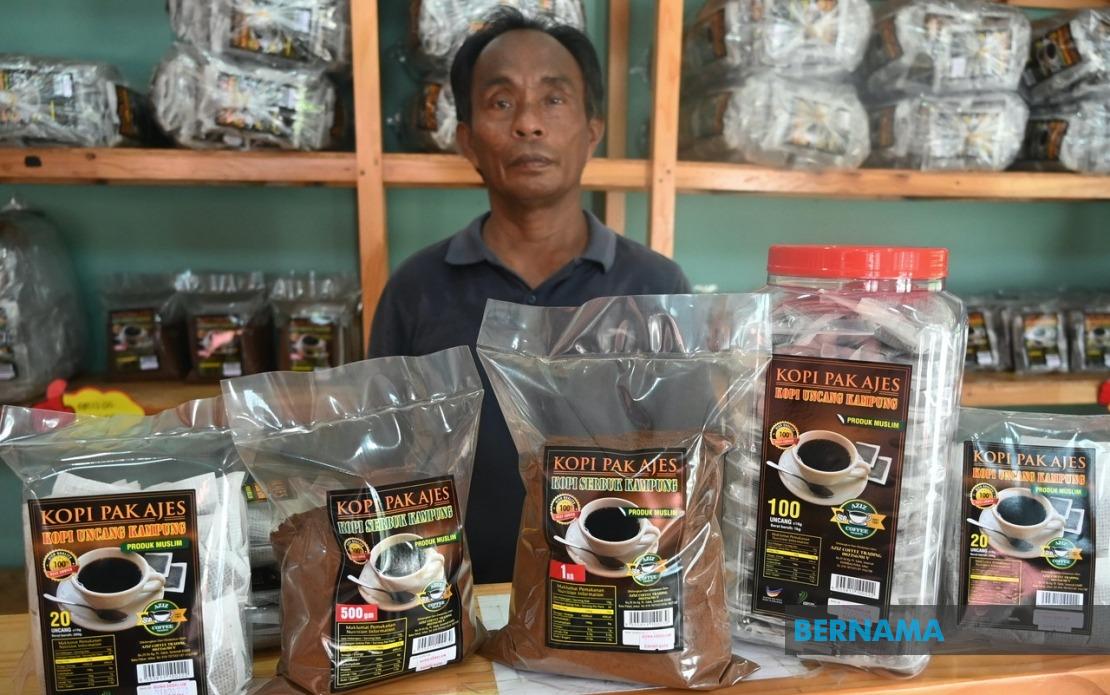
The 16th Johor state election has created an unexpected economic opportunity for one entrepreneur in Kampung Parit Sidek, Semerah. Aziz Mohd, widely known as Pak Ajes, has witnessed his coffee business flourish as campaign machinery across several constituencies places orders throughout the polling period. With 172 candidates vying for 56 state seats ahead of Saturday's election, the surge in activity has translated into tangible commercial gains for the 65-year-old businessman, whose coffee operation now struggles to keep pace with demand from campaign teams and party workers across Semerah, Sungai Balang and Bukit Naning.
The timing of such electoral windfalls remains critical for small and medium enterprises operating in Malaysia's smaller towns and rural areas. Elections occur infrequently enough that many business owners view the campaign season as a significant revenue event, yet predictable enough to warrant advance planning. Pak Ajes seized this opportunity by preparing alongside his son, Muhammad Fitri, and coordinating with party representatives well before voting commenced. His decision to stockpile supplies from more distant sources including Rengit and Kluang demonstrates the foresight required to capitalise on such temporary but intense demand spikes.
The story of Aziz Coffee Trading reflects a broader narrative about entrepreneurial persistence in Malaysia's secondary towns. Pak Ajes did not begin as a coffee specialist. His entrepreneurial journey commenced in the late 1980s through quail farming and mushroom cultivation, modest agricultural pursuits that generated modest returns selling to local suppliers and markets. The discovery of excess coffee beans in a neighbouring village prompted him to experiment with processing, initially grinding beans for personal consumption and to support neighbouring beverage stall operators. This organic transition from agriculture to coffee production exemplifies how rural entrepreneurs identify market gaps through direct community observation rather than formal market research.
The transition to formal coffee production occurred gradually. Beginning with just 200 ringgit in capital generated from his agricultural ventures, Pak Ajes started packaging coffee powder in 100-gram sachets. The business expanded incrementally, eventually reaching a production capacity of 1,500 packets daily and now manufacturing over five tonnes of powdered coffee monthly. This growth trajectory spanning three decades demonstrates the viability of value-added agricultural products for generating sustainable livelihoods in Peninsular Malaysia's towns, where larger industrial ventures often overlook smaller-scale manufacturing opportunities.
Production processes in artisanal coffee manufacturing demand meticulous attention that cannot be rushed or mechanised entirely. Pak Ajes emphasises the critical stages involved: separating beans from stems and husks, sun-drying for approximately 15 days, roasting, grinding and packaging. Each phase presents quality control challenges. The post-roasting stages prove particularly delicate, as packaged coffee powder can easily spill during handling and exposure to air degrades quality, causing the product to harden and clump. These manufacturing realities constrain production velocity and explain why even established operations must plan carefully before scaling to meet seasonal surges.
Beyond wholesale supply to coffee shops throughout Muar and Batu Pahat, Pak Ajes expanded into retail with the opening of Kupi Nang Ajes Cafe in 2022. This direct-to-consumer venture, established with his son's assistance, allows the business to capture margins across the value chain while building brand recognition within the local community. The café offers competitively priced specialty beverages including Americano and latte, positioning the establishment as an accessible neighbourhood destination rather than a premium coffee house. This dual strategy combining wholesale and retail operations creates revenue diversification whilst showcasing the quality of the company's core product.
Government support has played a meaningful role in Aziz Coffee Trading's development trajectory. The Department of Agriculture provided equipment including coffee grinding machinery and bagging machines, reducing capital barriers to expansion. Additionally, formal training on packaging and product labelling improved operational standards and market presentation. Such support mechanisms, whilst sometimes overlooked in analyses of small business development, provide critical assistance to rural entrepreneurs who lack access to private sector advisory services or capital markets available to urban-based ventures.
Pak Ajes and his son harbour ambitious expansion plans grounded in realistic market assessment. Their immediate objective involves establishing a second retail outlet in a high-traffic location, either within Batu Pahat town proper or Muar. Beyond Johor, they aspire to develop franchised operations across Malaysian states, suggesting confidence in their product's scalability and market appeal. Such ambitions reflect not merely commercial optimism but recognition that their coffee manufacturing model, once refined, could replicate successfully in other towns facing similar demographic and economic conditions.
The election-driven surge in orders reveals seasonal business dynamics affecting small enterprises across Malaysia's secondary towns. Campaign seasons generate concentrated demand for basic commodities and services from transportation providers, caterers, stall operators and beverage suppliers. For entrepreneurs positioned to capture this demand, the temporary revenue spike can meaningfully impact annual performance. However, this volatility also presents risks, requiring careful management of working capital, inventory, and production scheduling to avoid overextending operations or accumulating unsold stock once the election concludes and demand normalises.
For Malaysian policymakers and development agencies, entrepreneurs like Pak Ajes illustrate how rural and small-town business ecosystems function and evolve. Sustained growth emerges through persistent problem-solving, community relationships, and incremental innovation rather than through large capital injections or transformative policy interventions. The availability of modest government support for equipment and training can catalyse productivity improvements and quality enhancement. Local governments might further support such enterprises by facilitating market access, providing business development advice, and ensuring regulatory frameworks do not impose disproportionate compliance burdens on small producers competing against industrial-scale operations.
As Johor voters prepare to participate in Saturday's election across 56 constituencies, small business operators like Pak Ajes represent an often-overlooked dimension of electoral impacts. Beyond political outcomes and policy shifts, election campaigns generate economic activity that filters through local supply chains and supports livelihoods in towns throughout the state. The concentrated purchasing activity, whilst temporary, provides meaningful revenue that sustains operations, enables investment in equipment, and funds expansion initiatives. In this respect, the electoral calendar represents more than a civic exercise; it functions as a modest but real economic engine for entrepreneurs positioned to benefit from its predictable demand surge.

