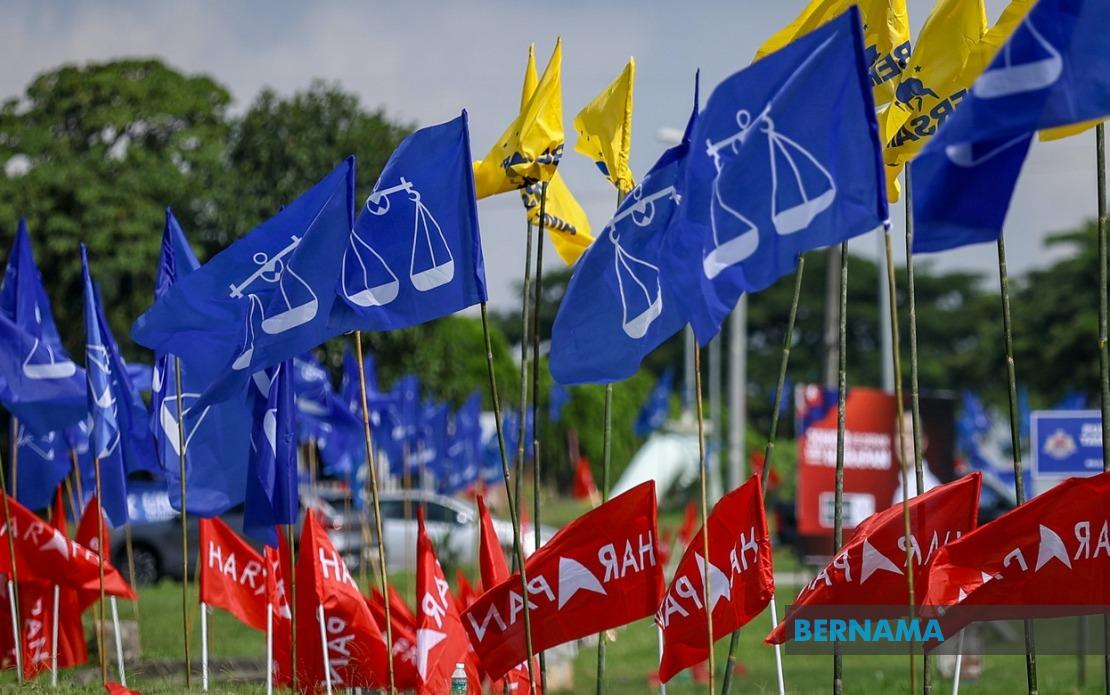
The Johor State Election Dialogue is scheduled to take place on Tuesday, July 7, at the RTM Auditorium in the Johor Broadcasting Department from 8 pm, proceeding without the participation of Menteri Besar Datuk Onn Hafiz Ghazi, who is unable to attend due to conflicting engagements.
Organised jointly by RTM, Astro AWANI, and Sinar Harian, the dialogue represents an important pre-election initiative aimed at engaging the electorate during a critical period in Johor's political calendar. The absence of the incumbent Menteri Besar, however, raises questions about the balance and comprehensiveness of the forum, particularly given the significance of the upcoming 16th Johor State Election.
A spokesman for Onn Hafiz confirmed the Menteri Besar's non-participation, stating that he was not included in the programme itinerary. The clarification came after initial invitations had been extended to both Onn Hafiz and his political counterpart, suggesting that circumstances changed between the invitation stage and the finalisation of attendance lists.
Communications Minister Datuk Fahmi Fadzil and Dr Maszlee Malik, the Pakatan Harapan candidate contesting the Puteri Wangsa state seat, are among the confirmed participants. Their presence underscores the federal government's commitment to facilitating transparent political discourse at the state level, even as the ruling coalition navigates complex dynamics in Johor.
The Johor Information Department has indicated that approximately 200 participants from various government departments, agencies, and MADANI Communities will attend the session. This broad representation reflects an effort to make the dialogue inclusive, bringing together stakeholders from multiple sectors to hear directly from political representatives.
The one-hour format is designed to provide candidates with equal opportunity to articulate their vision, policy frameworks, priorities, and proposed solutions to pressing concerns affecting Johor residents. Such platforms have become increasingly important in Malaysian elections, allowing voters and civil society organisations to engage substantively with political leaders beyond campaign rallies and traditional media coverage.
The timing of this dialogue is significant, occurring just days before the state election. Polling is scheduled for July 11, with early voting arrangements made available on July 7 itself—the same day as the dialogue. This compressed timeline means that voters will have limited opportunity to absorb and process the discussion outcomes before casting their ballots, potentially limiting the practical impact of the forum on electoral decisions.
With 172 candidates competing for 56 seats across the state, the 16th Johor State Election represents a substantial democratic exercise. The dialogue, despite its limitations, offers a structured venue for candidates to distinguish their platforms beyond the noise of campaign messaging. The involvement of federal-level figures like Fahmi Fadzil also signals the national significance of Johor's electoral outcome and the broader implications for Pakatan Harapan's political strategy in a state long considered a Barisan Nasional stronghold.
The absence of the incumbent Menteri Besar may be strategically calculated or genuinely unavoidable, but it inevitably shapes perceptions of the dialogue's comprehensiveness. Voters and observers may question whether a meaningful comparison of competing visions is possible when the state's chief executive is absent from the conversation. This dynamic could influence how both supporters and critics interpret the event's value as a democratic platform.
For Malaysian and Southeast Asian observers, the Johor election underscores the evolving nature of electoral politics in the region. State-level contests have become testing grounds for national political movements, with implications extending far beyond state boundaries. The dialogue, in this context, represents an attempt to raise the quality of political discourse and provide voters with substantive engagement opportunities—a practice increasingly important across the region as electoral competition intensifies and voter expectations for accountability grow more demanding.

