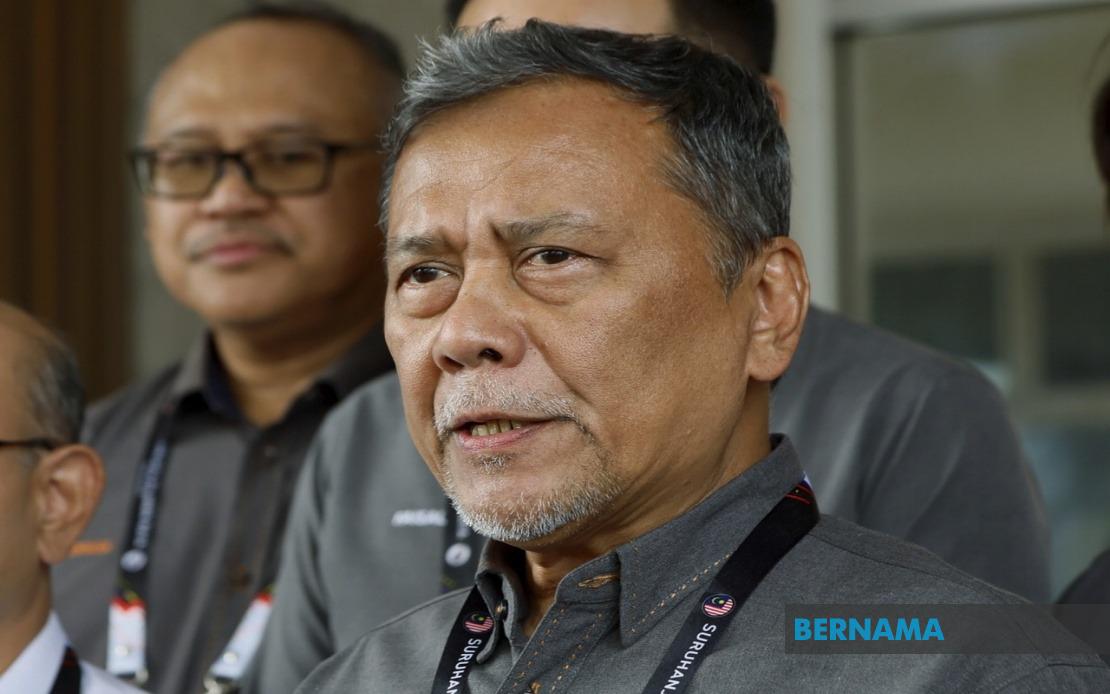
The Election Commission recorded 588 allegations of campaign-related misconduct during the campaign phase leading up to Johor's 16th state election, underscoring the complexity of managing electoral integrity across the state's 56 contested seats. According to EC chairman Datuk Seri Ramlan Harun, who disclosed the figures at a press conference in Kluang on July 7, the volume of complaints reflects heightened scrutiny of political conduct in the lead-up to the voting, though officials have escalated only a fraction of these allegations to law enforcement agencies.
The complaint filing process has triggered formal investigations through conventional channels. Police have received 44 separate reports stemming from the allegations, suggesting that certain complaints met thresholds warranting criminal investigation. Furthermore, the Malaysian Anti-Corruption Commission has accepted three cases for examination, indicating that some of the reported offences touch on potential corruption-related violations. The decision to refer matters through multiple agencies demonstrates the Election Commission's approach of pursuing various legal avenues depending on the nature of each allegation.
The monitoring effort extended beyond complaint handling to direct observation of the electoral process itself. Datuk Seri Ramlan, accompanied by Army Chief General Tan Sri Azhan Md Othman, visited several early voting centres to assess operational procedures and compliance with election protocols. The visits covered facilities including the Kluang District Police Headquarters and Kem Mahkota, where military and police personnel cast their ballots in advance of the general polling date.
Early voting participation reflected the substantial security and defence personnel presence in Johor's electoral mechanics. A total of 20,607 individuals exercised early voting rights, comprising two distinct groups: 8,544 members of the Malaysian Armed Forces alongside their spouses, and 12,063 police officers and their dependents. This arrangement, common across Malaysian elections, allows uniformed personnel to vote outside the main polling period due to operational commitments and deployment requirements.
The electoral contest encompasses considerable scale and complexity across Johor's parliamentary geography. With 172 candidates vying for representation across 56 state assembly seats, the competition encompasses multiple competing interests and political platforms. This candidate-to-seat ratio indicates both genuine contestation and the presence of uncontested or minimally contested divisions depending on local political dynamics.
The complaints mechanism itself serves an important function within Malaysia's electoral framework, providing candidates and observers with channels to raise concerns about perceived breaches of campaign regulations. The fact that such a substantial volume of complaints materialised—588 across a single state election—suggests either heightened vigilance among campaign monitors or potentially increased campaign activity intensity during the period. Malaysian electoral regulations prescribe specific rules governing candidate conduct, spending limits, and permissible campaign activities, and the complaint system enables enforcement of these standards.
The timing of complaint documentation carries significance for the electoral calendar. The figures were compiled as of July 7, with main polling scheduled for the following Saturday, meaning election officials processed these allegations while simultaneously managing early voting operations and preparing final procedures for election day itself. This compressed timeline underscores the administrative burden placed on electoral personnel during active campaign periods.
For Malaysian politics observers, the Johor election represents a significant barometer of state-level sentiment and party performance. As one of Malaysia's most populous states and economically significant regions, Johor elections frequently attract national political attention and intensive campaigning from multiple coalitions. The volume of misconduct allegations must be contextualised within this elevated level of political activity and competition for control of the state assembly.
The presence of military leadership alongside the EC chairman during early voting monitoring reflects a broader Malaysian practice of involving security force representation in election oversight. General Tan Sri Azhan's participation signals institutional commitment to ensuring the credibility and security of the voting process, particularly given the participation of armed forces personnel. Such joint monitoring efforts aim to reassure stakeholders that all votes, including those from uniformed services, are handled with integrity.
Looking ahead to the actual polling date, these complaint figures establish a baseline for understanding whether campaign-period allegations translate into substantive charges or whether many represent minor infractions or disputed interpretations of regulations. The 44 police reports and three MACC referrals represent formal progression toward potential prosecution, while the remaining complaints may be resolved through administrative action or determined to lack sufficient evidence for advancement. Malaysian electoral history shows that while complaint volumes can appear substantial, the proportion resulting in convictions typically remains modest, reflecting either the borderline nature of many alleged violations or evidentiary challenges in prosecution.

