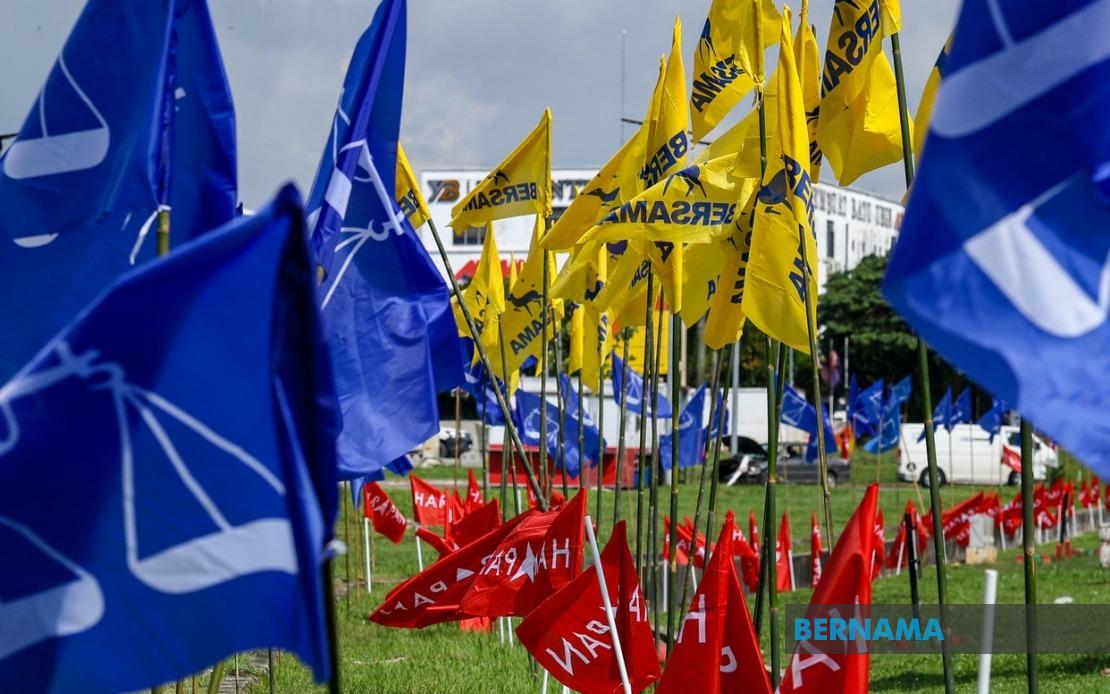
With 172 candidates vying for 56 state seats in the 16th Johor election this Saturday, political experts are sounding a cautionary note about campaign conduct, emphasising that electoral competition should centre on governance records and policy platforms rather than inflammatory rhetoric that threatens stability at the national level.
Sociopolitical analyst Prof Datuk Dr Awang Azman Awang Pawi of Universiti Malaya argues that the contest provides an opportunity for parties to demonstrate mature democratic engagement by openly presenting their visions for managing the state's economy, creating jobs, managing growth, and tackling concerns such as affordability, housing and social welfare. Rather than devolving into personal invective, he suggests contenders should differentiate themselves through substantive proposals on Johor's unique challenges—including border economy dynamics, the Rapid Transit System Link development, and the Johor-Singapore Special Economic Zone—that matter directly to voters' daily lives.
The fundamental tension, according to Prof Awang Azman, stems from the need to balance legitimate political rivalry with the reality that many contestants will share executive and legislative duties post-election. Aggressive campaigns that dehumanise political opponents or frame federal coalition partners as adversaries in the state contest risk creating rifts that linger when those same figures must collaborate in Putrajaya. He cautions specifically against rhetoric that exploits state identity or religious and racial divisions, since such appeals may energise supporters temporarily but corrode the relationships required to govern a nation of Malaysia's complexity.
Political analyst Dr Norman Sapar reinforces this perspective, defining contemporary political maturity not by the decibel level of attacks but by the sophistication with which candidates address substantive governance. He notes that Johor's electoral culture has historically maintained a relatively restrained tone compared to contests elsewhere, with leaders preferring nuanced criticism over confrontational theatrics. This restraint, he suggests, reflects an understanding that electoral mandates are temporary while the infrastructure of state and federal collaboration must endure.
Dr Norman's observations of the campaign so far indicate that most parties have operated within the bounds of controlled competition. While some have sought credit for developmental initiatives and raised policy criticisms, the discourse has largely avoided the corrosive personal attacks or divisive identity politics that can poison post-election negotiations. This measured approach aligns with what he characterises as Johor's distinctive political ethos—one that values courtesy and procedural decorum even amid genuine ideological and programmatic disagreement.
Prof Awang Azman emphasises that voters would benefit from transparent comparisons of party track records in managing state finances, attracting foreign and domestic investment, and delivering services to both urban centres like Johor Bahru and rural constituencies. He points out that parties offering a stability-focused narrative can argue their administrative competence and institutional continuity, while those proposing change can articulate a vision for checks and balances, institutional reform, and representation of younger and urban constituencies. This framing transforms electoral competition into a genuine deliberation about competing but legitimate governance philosophies rather than a zero-sum clash of tribal identities.
The cost-of-living crisis, employment generation, affordable housing shortages, and congestion in major urban areas represent the bread-and-butter issues that should dominate campaign discourse, according to both analysts. These concerns transcend party boundaries and directly affect voters' capacity to sustain themselves and their families. By focusing campaigns on solutions to these shared challenges, parties demonstrate respect for voter intelligence and signal that they understand governance as a practical endeavour rather than a vehicle for ego or factional dominance.
Dr Norman observes that contemporary Malaysian voters increasingly possess the sophistication to distinguish between competition within a state and the preservation of coalitional stability nationally. Voters understand that while they are electing a state government on Saturday, Malaysia remains governed by federal structures that require cross-party cooperation on budget allocation, infrastructure projects, and policy coordination. Parties that respect this distinction—competing vigorously in Johor while signalling respect for federal arrangements—tend to be rewarded, while those that blur the lines or attempt to leverage state contests to destabilise national partnerships often suffer credibility damage.
The danger of excessive campaign hostility extends beyond immediate political relationships. Deep wounds inflicted during campaigns make the inevitable post-election negotiations—over cabinet portfolios, parliamentary committee assignments, and policy direction—more acrimonious and protracted. When campaign messaging has painted opponents as fundamentally untrustworthy or incompatible, rebuilding the personal relationships necessary for effective governance becomes exponentially more difficult. This dynamic has played out across democracies worldwide, where campaigns that breach certain norms of reciprocal respect generate legislative gridlock and executive dysfunction.
For Malaysian voters and observers, the Johor election thus serves as a microcosm of broader questions about whether the country's political system can evolve toward more issue-focused competition without sacrificing the coalition-building flexibility that has, until recently, characterised federal governance. The choice Johor candidates make about campaign tone—whether to prioritise substantive policy differentiation or to rely on personal attacks and divisive identity appeals—sends signals that ripple through the entire political ecosystem, shaping expectations for future contests at state and national levels.
Prof Awang Azman's final counsel encapsulates the experts' consensus: maintaining clear boundaries against personal attacks, communal divisiveness, and delegitimisation of opponents is not naïve idealism but pragmatic recognition that democracy functions most effectively when rivals can compete without mutual destruction. The Saturday election will reveal whether Johor's political culture can sustain this balance or whether the gravitational pull toward polarisation has become too strong to resist.

