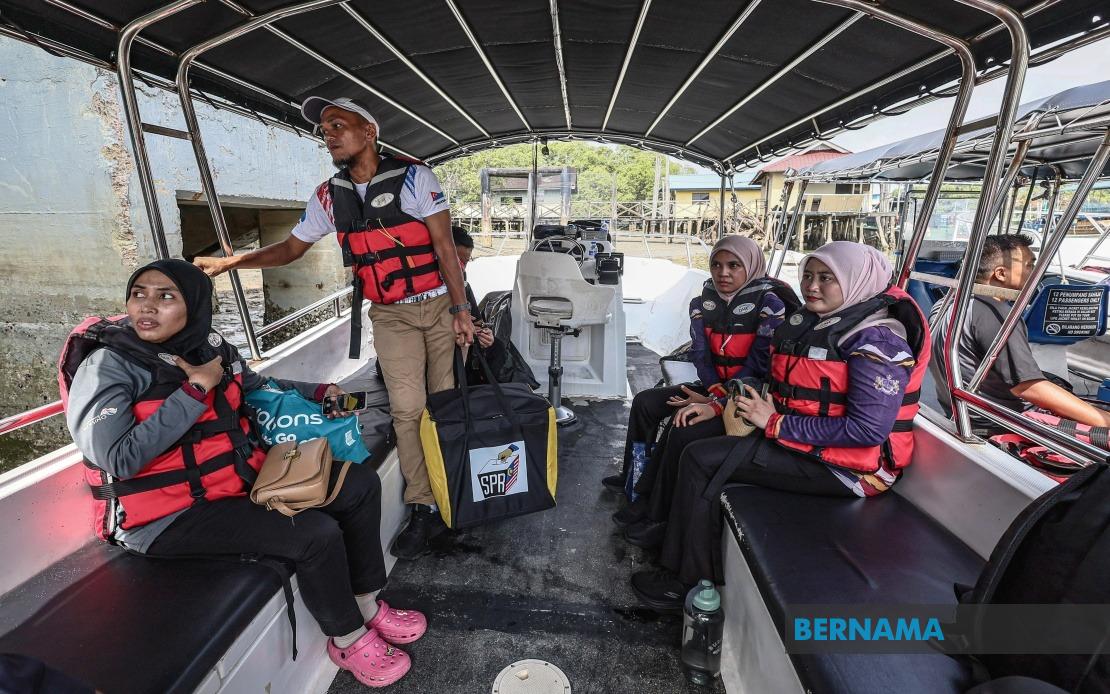
The 16th Johor State Election delivered an unexpected windfall for small business operators across the state, as the logistics of ferrying nearly 2.6 million registered voters to polling centres created a flurry of commercial opportunity. Beyond its political significance, polling day demonstrated how electoral processes can inject liquidity into local economies, particularly for operators in maritime and hospitality sectors who capitalised on the surge in passenger and consumer demand.
Island-based boat operators experienced one of the most visible benefits. Mustakim Shafie, who runs Island Eagle Boat Services & Island Hopping from Johor Bahru, noted that his fleet of six speedboats faced unprecedented demand as voters required transport to island polling stations. On polling day itself, his company had engaged nearly 50 separate groups of islanders seeking passage to cast their votes, a volume that would normally be distributed across multiple ordinary days. The timing proved fortuitous, as his team had already been mobilised the previous day to transport Election Commission personnel and equipment to remote voting locations.
The financial impact was substantial. Standard charter arrangements through Mustakim's operation typically command between RM4,000 and RM4,500 for multi-day packages covering three days and two nights, while single-journey fares for groups of up to 18 passengers range around RM2,500. When such bookings doubled on a single day compared to baseline business levels, the revenue implications for a small operator became significant. Beyond immediate earnings, the election-driven activity provided employment for crew members and demonstrated commercial potential during periods of heightened passenger demand.
Navigating the geographic realities of Johor's electoral landscape remained challenging, however. Veteran operator Hasrul Azmin Jumaat, bringing more than twenty years of maritime experience, emphasised that the extended routes required careful planning. The journey to Pulau Aur, stretching beyond two hours and covering 76 kilometres of open water, demanded experienced seamanship and meticulous attention to weather conditions. Neither Mustakim nor Hasrul downplayed these operational complexities; instead, they framed their experience as essential infrastructure enabling democratic participation in geographically dispersed communities.
Weather presented the most unpredictable variable affecting service delivery. The monsoon season's volatile conditions meant that even experienced operators could face cancellations or delays, potentially disrupting voter access and threatening business schedules. This tension between commercial objectives and electoral reliability underscored the broader challenge facing maritime operators during polling periods—their responsibility transcended profit maximisation and touched upon facilitating democratic rights in island communities.
Food vendors experienced similarly brisk activity, though concentrated in condensed timeframes. Ismail Mad Hasim and his wife Faradila Fairuz Mohd Affandi operated a stall positioned strategically beside Sekolah Kebangsaan Taman Sutera, a designated polling centre. They witnessed customer traffic beginning as early as 8 am, with particular intensity during the early voting hours when citizens completed their ballot and sought refreshment before heading elsewhere. The couple noted that their presence during the previous general election had already established them as recognised fixtures in the polling-day ecosystem.
Despite capitalising on the economic opportunity, these vendors maintained their commitment to electoral participation. Both Ismail and Faradila planned to close their stall only after completely selling out their food inventory, allowing them to then proceed to the same polling centre to cast their own votes. This pattern reflected the practical reality facing many small business operators during elections—they must balance income generation with their own civic obligations, a constraint that larger commercial enterprises do not typically face.
The broader significance of this phenomenon extends beyond individual operator earnings. When electoral processes activate economic activity among marginalised small business sectors, they demonstrate how democratic exercises generate multiplier effects throughout local communities. Money earned by boat operators circulates through fuel suppliers, equipment maintenance providers, and food establishments. Similarly, successful food vendors reinvest modest profits into inventory replenishment and modest wage payments to family assistants. These are not glamorous economic contributions, but they reflect genuine commerce reaching populations who typically operate at the periphery of formal economic activity.
For maritime-dependent communities particularly, election cycles represent rare windows of concentrated demand. Island residents concentrated in small populations scattered across Johor's coastal geography do not generate continuous passenger traffic sufficient to sustain dedicated boat services. Elections create temporary but significant demand surges that justify operational deployment and crew mobilisation. This seasonality—where electoral calendars become de facto business cycles for certain service providers—remains largely unexamined in discussions about election economics.
The experience of Johor's 2024 state election illustrates how democratic processes intersect with livelihood generation in ways that official election narratives seldom acknowledge. While media coverage emphasises political outcomes and voter behaviour, the actual mechanics of conducting elections across geographically fragmented jurisdictions simultaneously create economic opportunities for service operators positioned to respond to temporary demand. Understanding these interconnections provides richer context for appreciating how elections function not merely as political events but as economic phenomena with genuine, if modest, redistributive effects among working-class business operators.
As Malaysian electoral cycles continue, this pattern will likely persist. Future elections will generate similar surges benefiting boat operators, food vendors, and other service providers whose geographic positioning makes them essential to electoral logistics. Recognising and supporting these operators—perhaps through streamlined licensing during election periods or targeted policy frameworks—could strengthen both democratic administration and informal sector economic resilience across Malaysia's less densely populated regions.

