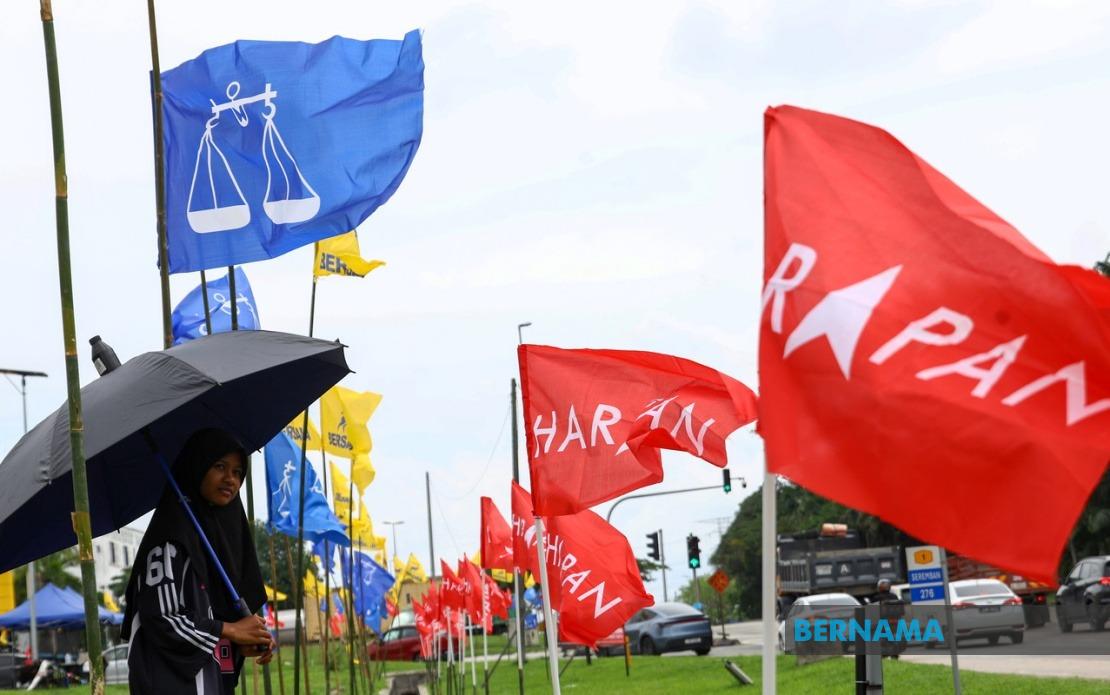
The battle for Johor is intensifying as Malaysia's 16th state election enters its crucial second week, revealing starkly different strategic approaches from the two major coalitions vying for control of the 56 state seats. Pakatan Harapan and Barisan Nasional, both fielding complete slates of candidates across all constituencies, have chosen divergent pathways to persuade voters, each gambling that their particular strengths will prove decisive when polls open on July 11.
Pakatan Harapan is betting heavily that voters respond to substantive policy offerings. The coalition has centred its campaign narrative on tangible solutions to the everyday financial pressures facing Johoreans—rising living costs, stagnant incomes, inaccessible housing, and inadequate social safety nets. This positioning reflects a deliberate attempt to reframe what constitutes genuine development. Rather than celebrating headline figures for investment inflows or gross domestic product growth, PH argues that meaningful progress must manifest in workers' wage packets, quality employment opportunities, and improved standards of living across society. The coalition's manifesto, branded "Johor For All," lays out integrated strategies designed to boost domestic wage levels while ensuring that the returns from economic investment translate directly into improved welfare outcomes for ordinary Johorians.
Barisan Nasional, by contrast, is pursuing a campaign centred on institutional strength and personality. The coalition is capitalising on the recent return of two heavyweight political figures through UMNO's "Rumah Bangsa" initiative—former vice-president Datuk Seri Hishammuddin Tun Hussein and former UMNO Youth leader Khairy Jamaluddin. BN's strategy appears predicated on the assumption that these returnees will energise the party machinery, reinvigorate grassroots activism, and appeal to different voter segments within the coalition's traditional base. The simultaneous presence of these figures allows BN to prosecute a multi-generational appeal: Hishammuddin as an elder statesman figure capable of rallying establishment-oriented voters, and Khairy as a more contemporary figure with particular resonance among younger constituencies.
According to Dr Mohammad Tawfik Yaakub, a political analyst at Universiti Malaya, the strategic division reflects deeper assumptions about voter psychology and decision-making. PH's emphasis on policy solutions stems from an assessment that contemporary voters, particularly those grappling with economic pressures, are increasingly demanding practical governance answers rather than empty appeals to party loyalty or historical narratives. The manifesto approach signals confidence that voters will weigh competing visions of how the state should be governed and which coalition can deliver superior outcomes in areas directly affecting household prosperity and security.
However, the analyst cautioned against assuming that PH's policy-centred strategy will automatically prevail simply because it addresses substantive concerns. Modern campaigning, he noted, operates in a complex environment where voters simultaneously evaluate multiple dimensions of a political offering—not merely policy content, but also candidate credibility, organisational capacity, and whether a party can genuinely execute its promises once in office. This places considerable weight on the quality of candidates fielded and the perceived trustworthiness of the parties proposing these policies.
Regarding BN's deployment of returnees, Assoc Prof Dr Mohd Yusry Ibrahim from the Ilham Centre offers a more nuanced assessment than simple nostalgia-based analysis. Hishammuddin, despite his extended absence from electoral frontline politics, retains substantial residual influence within Johor's political ecosystem and among UMNO's traditional base. His involvement could prove particularly valuable in reclaiming support from UMNO sympathisers who had drifted away or become disengaged during periods when the party appeared diminished or lacking clear direction. In a state where BN has long held deep institutional roots, rekindling enthusiasm among previously loyal supporters represents a significant tactical asset.
Khairy's presence addresses a different demographic challenge. Young voters, according to Ibrahim's analysis, increasingly function as independent political actors rather than inheriting party attachments from previous generations. This cohort responds more powerfully to recognisable public figures they feel personally connected to than to abstract party platforms. Khairy has cultivated a reputation for consistent popularity among voters under 40, making his participation valuable for BN's efforts to compete for an increasingly fluid youth vote. The candidate dimension becomes almost paramount for this demographic, potentially outweighing programmatic considerations.
Yet PH's policy-focused strategy may gain traction precisely because it addresses the economic pressures that dominate younger voters' immediate concerns. While personality and recognisability matter, young voters confronted with inadequate wages, unaffordable housing, and limited employment prospects may weigh these considerations alongside the appeal of particular candidates or party figures. PH's "Johor For All" framing attempts to bridge these considerations by combining substantive policy proposals with a narrative of inclusivity designed to appeal across generational lines.
The strategic divergence also reflects broader shifts in Malaysian electoral dynamics. The era when rallying around prominent historical figures or invoking party tradition could reliably mobilise voters has clearly waned. Both coalitions recognise this reality, but respond differently: PH by moving policy to the foreground, BN by seeking to combine renewed elite leadership with continued reliance on organisational networks. Whether voters in Johor ultimately prioritise substantive governance proposals or respond more strongly to the pull of familiar political personalities will significantly shape the election's outcome.
With 172 candidates competing across the 56 seats and early voting scheduled for July 7 ahead of the July 11 polling day, the final campaign week will likely determine whether PH's policy offensive or BN's leadership revival proves more persuasive. The result will offer valuable insights into the evolving nature of electoral competition in Malaysia's most closely watched state contest, with implications for national politics extending well beyond July.

