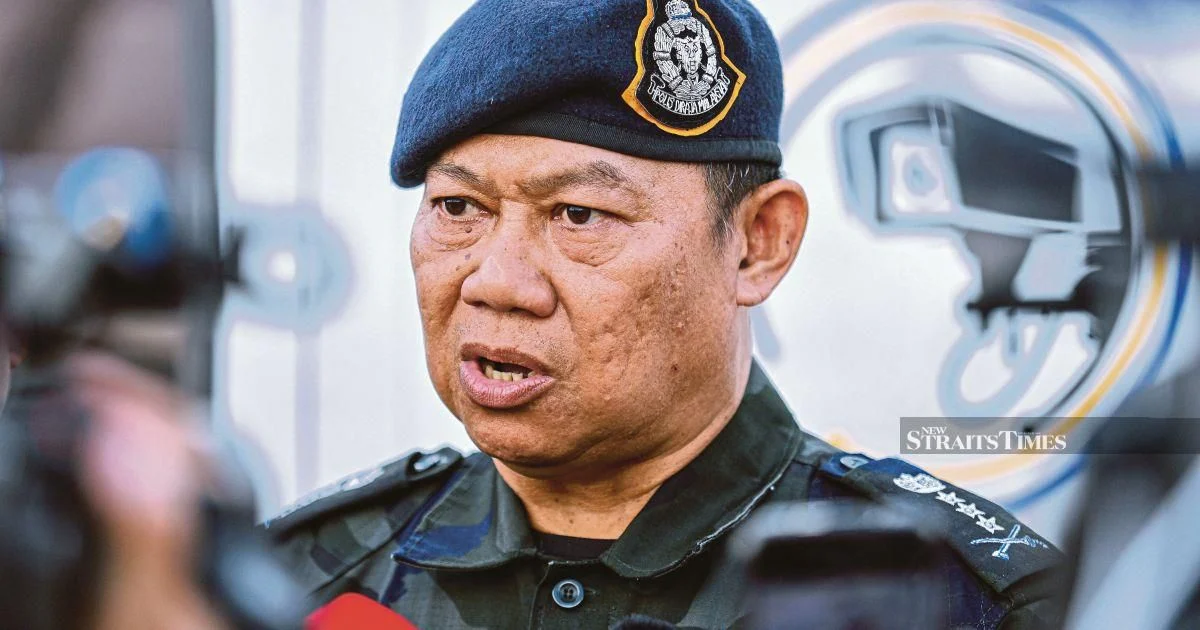
Johor's police force has launched investigations into three separate cases stemming from a total of seven election-related complaints that have surfaced since the nomination period commenced for the state polls. The decision to activate formal investigation papers demonstrates the authorities' willingness to scrutinise conduct during this critical electoral phase, though the relatively low ratio of active probes to total complaints received suggests that many of the initial reports may not have met the threshold for formal investigation.
The nominations process for state elections typically marks the official beginning of the campaign period and introduces stringent regulations governing political conduct. During this window, the Election Commission and law enforcement agencies intensify monitoring of activities that could violate electoral laws, ranging from treating voters to inappropriate campaign conduct or financial irregularities. Johor's police force monitoring election-related reports reflects standard protocol for maintaining electoral integrity across the state's constituencies.
The distinction between the seven reports received and the three investigation papers opened suggests that Johor police conducted preliminary assessments of the complaints before determining which cases warranted formal investigative action. This filtering process is typical in law enforcement, where officers evaluate the substance and evidence supporting each allegation before committing investigative resources. Some reports may have been found to lack sufficient detail or evidence, while others might not have constituted clear breaches of electoral legislation despite witness concerns.
Election-related investigations in Malaysia often encompass a diverse range of alleged violations. These can include breaches of campaign financing limits, distribution of cash or goods to voters in exchange for support, inflammatory rhetoric that could threaten public order, violations of advertisement regulations, or involvement of civil servants in partisan political activities. The nature of the three cases under investigation by Johor police remains unclear from available information, but the activation of these probes signals that certain complaints crossed evidentiary thresholds recognised by investigating officers.
For Malaysian voters and regional observers, the enforcement stance adopted by Johor police carries broader implications for democratic accountability. A police force that responds inadequately to election complaints risks enabling violations of electoral law, while one that investigates frivolous reports may face accusations of partisan interference. The current Johor situation suggests a measured approach, with authorities distinguishing between substantive allegations and noise during the highly charged campaign atmosphere.
The timing of these investigations matters significantly within the electoral calendar. Johor's state elections occur within a specific constitutional framework, and any investigations completed during or after voting could influence perceptions of legitimacy. Authorities must balance the need for thorough investigations with the imperative to resolve matters expeditiously, ensuring that justice processes do not themselves become tools of electoral manipulation or intimidation. This challenge confronts Johor police as investigations proceed parallel to ongoing campaigning.
The seven reports received by Johor police also indicate that electoral vigilance is functioning at some level within the state's communities. Citizens, political parties, and observers monitoring campaign activities represent a distributed watchdog system that supplements official Electoral Commission oversight. When these informal monitors report concerns to police, they contribute to the information environment that law enforcement agencies use to detect potential violations. The relatively modest number of reports—seven across an entire state—raises questions about whether the reporting mechanisms are sufficiently accessible to the public or whether electoral violations remain underreported.
Previous state elections in Malaysia have occasionally revealed coordinated breaches of electoral law, ranging from vote-buying schemes to unauthorised campaign expenditure and misuse of government resources. Johor's investigators will be alert to patterns that might suggest systematic violations rather than isolated incidents. The three active investigations may or may not uncover larger networks of misconduct, but the fact that formal probes have begun establishes a foundation for comprehensive examination of evidence and witness testimony.
Election observers from international and regional organisations often scrutinise how Malaysia's law enforcement agencies respond to alleged electoral violations. Their assessments influence perceptions of Johor's electoral credibility and, by extension, Malaysia's democratic performance. A police force that ignores credible reports invites criticism from election monitors, while one that pursues investigations transparently and impartially strengthens confidence in the process. The willingness of Johor police to open investigation papers from the complaints pool suggests recognition of this scrutiny and the importance of visible enforcement.
For political candidates and campaign teams operating in Johor, the knowledge that police are actively investigating election-related complaints should reinforce the importance of adhering strictly to electoral regulations. Whether the three investigations ultimately yield charges, convictions, or dismissals, the mere fact of police activity creates awareness that misconduct carries consequence. This deterrent effect, if credible, can contribute to cleaner campaigns and protect the integrity of the voting process that legitimises electoral outcomes.
Looking ahead, the resolution of these three cases will provide important signals about how seriously Johor's law enforcement agencies treat electoral law compliance. Transparent communication about investigation outcomes—whether cases are closed without action, referred for prosecution, or result in convictions—helps build public understanding of the enforcement landscape. As the state polls progress toward voting day and subsequently to official result certification, the investigations initiated following the seven complaints received will form part of the historical record of this electoral cycle and potentially influence how future candidates and voters engage with Johor's electoral processes.

